

Brought to São Paulo by Japanese immigrants who arrived starting in 1908 and found themselves needing a portable, fast-cooking food they could sell at city markets. They adapted Chinese-style fried wonton dough (themselves having learned from Cantonese immigrants) into a thinner, larger flat pocket fitted to Brazilian fillings. By the 1940s pasteleiros were a fixture at every São Paulo feira — the dish is Japanese-Brazilian by origin, despite the European-looking name.
Brought to São Paulo by Japanese immigrants who arrived from 1908 onward — they adapted Cantonese-via-China wonton dough into a thinner, larger flat pocket for Brazilian fillings. The dough is brushed with cachaça before frying; the alcohol flashes off in 190°C oil and creates the blistered hollow shell.
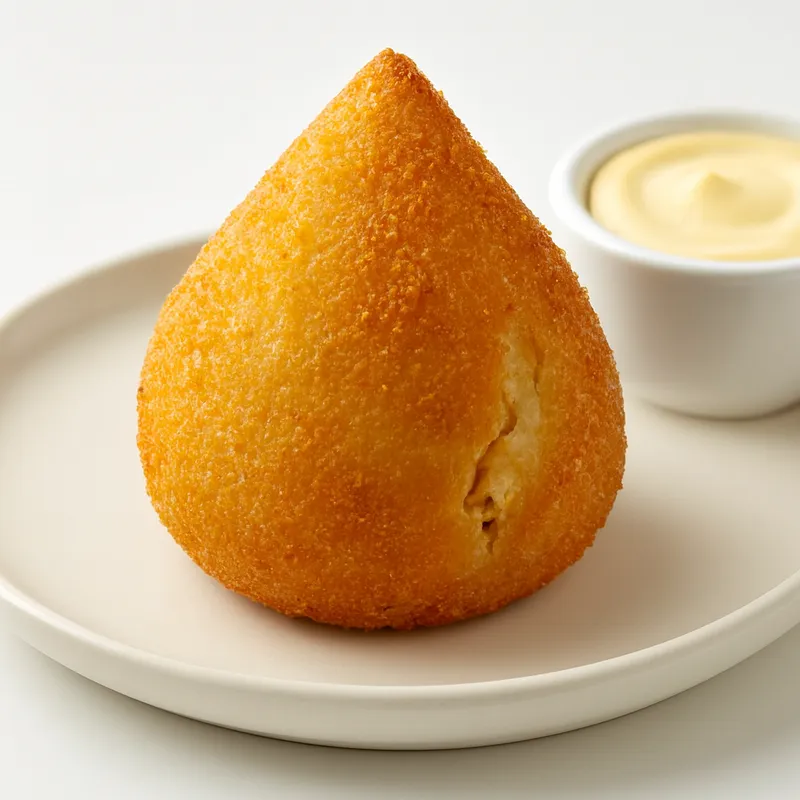
A flat rectangular pocket of dough, deep-fried until the surface bubbles into a blistered, crackly crust the color of wheat. You bite a corner: steam comes out, then the filling — most commonly minced beef with green olives and chopped hard-boiled egg, or molten cheese, or hearts of palm. Eaten at São Paulo street markets (feiras) on Saturday mornings, washed down with sugarcane juice (caldo de cana).
The dough has to be rolled translucent-thin, brushed with cachaça (or vodka) before frying — the alcohol flashes off in the oil and creates the blistered, hollow texture pastéis are known for. A thicker dough or no alcohol gives a heavy, bready shell. The fryer must be hot (around 190°C); below that, oil seeps in and the pastel goes greasy instead of puffing.
Variations
Pastel de carne (minced beef + olive + egg, the Saturday-feira default); pastel de queijo (mozzarella); pastel de palmito (hearts of palm); pastel de pizza (mozzarella + tomato + oregano); Bar do Mané and Hocca Bar at Mercado Municipal in SP run hand-rolled doughs.
On the Palate
Where Pastel sits in the Brazilian flavor cloud
Roll the dough translucent-thin and brush it with cachaça before frying — the alcohol flashes off in hot oil and blisters the shell hollow; thick dough or no alcohol gives a heavy, bready pastel.
Ingredients





How it's made
6 steps · 1 hour
- 111 min
Prepare the dough by mixing flour and cachaça, kneading until smooth.
- 29 min
Roll out the dough thinly and cut into squares.
Watch outHold the rolled sheet up to the light — you should nearly see your hand through it before it's thin enough.
- 37 min
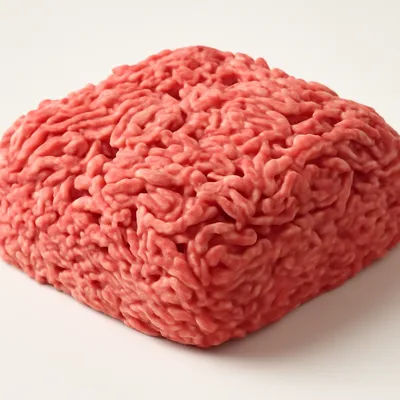
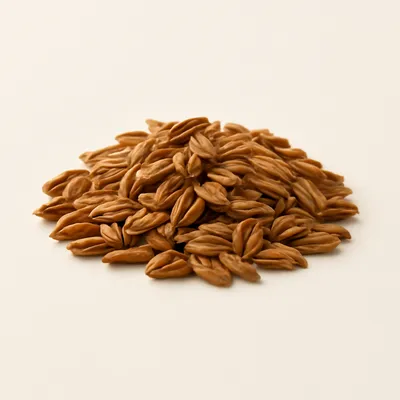
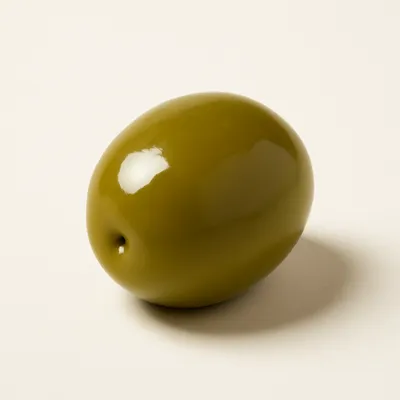
Mix ground beef with onion, olives, chopped hard-boiled eggs, and cumin.
- 411 min
Place a spoonful of filling onto each dough square, folding and sealing the edges.
- 518 min
Deep-fry the pastéis until golden and crispy.
Watch outThe shell puffs up hollow and blisters into golden bubbles the second it hits the oil — that's the alcohol working.
- 64 min
Drain on paper towels and serve hot.
Watch outPull them when evenly deep-gold and crisp — drain upright on paper so the hollow doesn't pool oil.
Archive tool suggestions — not reviewed
These legacy suggestions have not been evidence-reviewed and are not presented as required tools.