The clear, faintly sweet water inside a young green coconut, the signature drink of the Brazilian beach. A vendor lops the top off a chilled green coco with a few practised machete blows, drops in a straw, and you drink it straight from the shell. Light, cool and barely sweet, it is nothing like the thick coconut milk pressed from mature white flesh — it is the watery endosperm of the unripe nut, naturally isotonic and prized as the perfect tropical rehydrator. When the water is gone, the vendor will split the coconut so you can scrape out the soft jelly-like meat.

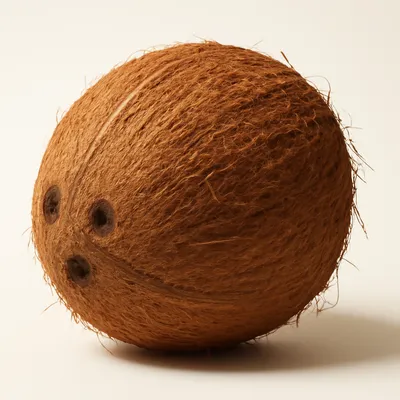
The coconut palm reached Brazil early in the colonial period, brought by the Portuguese from their possessions on the routes to the Indian Ocean, and it took hold along the warm Northeastern coast, which remains the country's coconut belt. Drinking the water of the green nut is as old as the palm's presence there, the simplest refreshment in the tropical heat. The image of the beach coconut vendor — a stack of chilled green cocos, a machete, and a straw — became fixed across the whole Brazilian coast, from the Northeast to Rio, in the 20th century, and packaged coconut water later grew into a major industry exported worldwide. The drink remains, above all, a thing of the sand and the sun.
Cool and almost colourless, faintly cloudy, with a clean, very light sweetness and a soft, slightly saline, nutty note that says coconut without any of the richness of the milk. Drunk straight from the shell through a straw it is thin and watery in the best way, deeply thirst-quenching rather than filling. Best ice-cold; warm, it turns flat and faintly sour. After the water, the spoonful of tender white jelly scraped from inside is a soft, mild bonus.
There is no preparation beyond opening the nut. The water is the liquid endosperm of the immature green coconut, at its most plentiful and most lightly sweet before the flesh thickens; as the nut ripens this water is gradually absorbed into the hardening white meat, which is why mature brown coconuts hold little. Its balance of potassium, sodium and other electrolytes is close to that of human plasma, making it naturally isotonic, which is the basis of its reputation as a rehydration drink. Sealed inside the shell it stays sterile and fresh; once opened it should be drunk promptly before it oxidises and ferments.
Variations
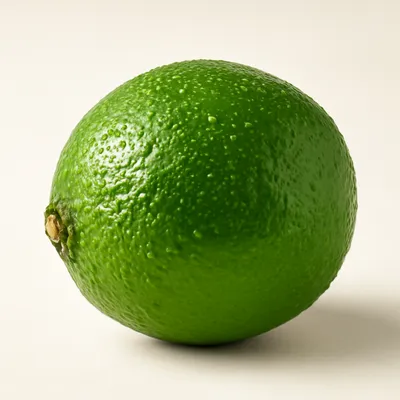
The classic is plain, straight from the green shell. At kiosks it is often poured into a cup over ice, sometimes blended with lime, and a popular twist is água de coco com limão. The same coconut yields the soft jelly meat eaten afterwards. It also turns up spiked — a shot of cachaça or vodka dropped into the shell — and is the base of many fresh beach drinks; it should not be confused with leite de coco, the rich pressed coconut milk used in moqueca and sweets.
On the Palate
Where Água de Coco sits in the Brazilian flavor cloud
Ingredients
Serves 1How it's made
5 steps · 5 min
- 11 min
Choose a heavy, chilled young green coconut — the heavier it is, the more water inside.
Watch outPick the heaviest chilled green coconut — the heavier it feels, the more of that sweet water is still inside before the flesh thickens.
- 22 min
Lay it on its side and chop a flat window through the top husk with firm machete blows.
- 31 min
Cut through the inner shell to open a hole into the cavity.
- 45 min
Drop in a straw and drink the water straight from the shell, ice-cold.
- 53 min
When the water is gone, split the coconut open and scrape out the soft jelly meat with a piece of the husk or a spoon.
Archive tool suggestions — not reviewed
These legacy suggestions have not been evidence-reviewed and are not presented as required tools.


