
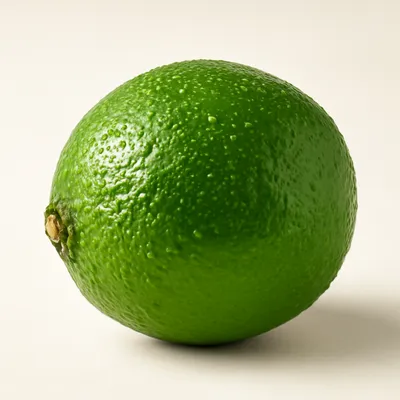
Fresh-pressed sugarcane juice, also called garapa, run straight from the stalk through a roller mill and served ice-cold, usually with a squeeze of lime. It is one of the most ubiquitous sights at Brazilian street markets (feiras) and roadside stands, where the grinding press is part of the theatre, and it is the classic partner to a hot, freshly fried pastel. Pale green-gold, intensely sweet and grassy-fresh, it is pure liquid cane. It is the unfermented, undistilled juice — not cachaça, which is made by fermenting and distilling it.


Sugarcane is not native to Brazil; the Portuguese brought it from the Atlantic islands of Madeira and São Tomé in the 16th century and built the colonial economy on sugar plantations worked by enslaved Africans, first in the Northeast around Pernambuco and Bahia. Fresh cane juice has been drunk as long as the cane has grown, the simplest possible use of the crop. The word garapa is widely traced to a West African term carried over in the slave trade, originally denoting a fermented cane drink, though the fresh juice now sold under the name is unfermented. The roadside cane press became a fixture of feiras across the country, and caldo de cana with pastel is one of the most recognisable street-food pairings in Brazil.
Cloudy pale green-gold in the cup, frothed from the press and served over plenty of ice. The taste is intensely, frankly sweet — far sweeter than fruit juice, close to liquid sugar — with a green, vegetal, faintly mineral edge that keeps it from being cloying, and a squeeze of lime cuts straight through. It is cold, thick on the tongue and powerfully refreshing in the heat. Drunk fresh and fast; left to stand it oxidises and dulls quickly.
There is no cooking — the drink is purely mechanical extraction. Lengths of peeled cane are fed repeatedly through the steel rollers of a moenda press, which crush the fibrous stalk and squeeze out the sap; the same length is passed through several times to wring it dry. The juice is around forty to fifty percent sucrose by dry weight, which is why it reads as almost pure sugar. It must be drunk immediately because raw cane juice oxidises and ferments fast once exposed to air, browning and souring within hours, so vendors press to order rather than holding it.
Variations
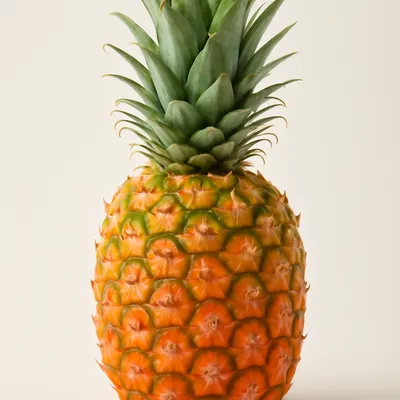
The most common addition is lime; pineapple is the other classic, the cane and a wedge of pineapple pressed together for a tart edge. Some stands add ginger or a squeeze of orange. In the North and Northeast the drink is more often called garapa, and in parts of the country it is sold caramelised down or chilled to a slush. Beyond the glass, the same fresh juice is the raw material for rapadura (unrefined cane sugar blocks) and for fermenting and distilling into cachaça.
On the Palate
Where Caldo de Cana sits in the Brazilian flavor cloud
Ingredients
Serves 2How it's made
5 steps · 10 min
- 13 min
Peel the sugarcane stalks and cut them into lengths that fit the press.
- 24 min
Feed each length through the roller press, passing it back through several times until the fibres are wrung dry.
Watch outRun each length through the rollers several times until the fibre is wrung dry — one pass leaves half the sweet juice locked in the stalk.
- 31 min
Catch the cloudy juice and strain out any fibre or grit.
- 41 min
Squeeze in fresh lime to taste, and add pineapple juice if you like.
- 51 min
Pour over plenty of ice and drink at once, while it is fresh and cold.
Watch outDrink it the moment it's pressed — raw cane juice browns and sours within a couple of hours once air hits it.
Archive tool suggestions — not reviewed
These legacy suggestions have not been evidence-reviewed and are not presented as required tools.


