
A São Paulo sandwich built on a crumb-hollowed pão francês: slices of roast beef, tomato and pickle filled with cheese melted soft in a bain-marie and scooped warm into the bread. Crucially the cheese is melted, not sliced — that is what separates a real bauru from an ordinary roll. Created in 1934 at the Ponto Chic bar in São Paulo, it has since been written into law as state heritage.
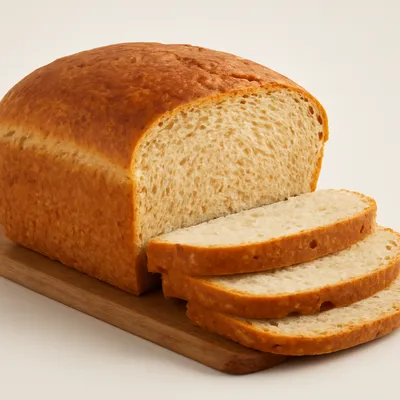


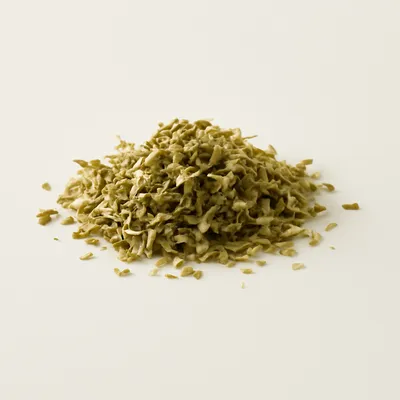

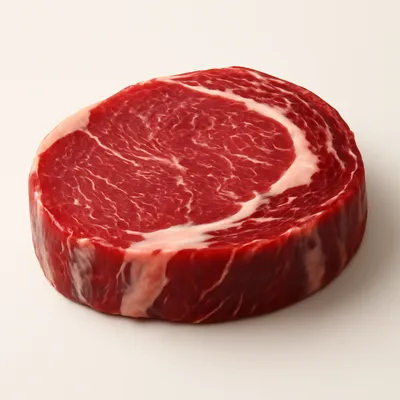
In 1934 a student named Casimiro Pinto Neto — nicknamed 'Bauru' after his home city in the interior of São Paulo state — asked the cook at the Ponto Chic, a student haunt in downtown São Paulo, to build him a sandwich to order: pão francês with the crumb pulled out, roast beef, tomato, pickle and cheese melted in a bain-marie. It caught on, took his nickname, and spread across the city's bars and bakeries. The city of Bauru protected the recipe in a 1998 municipal law with an official certification seal, and in December 2018 the State of São Paulo declared the sandwich intangible cultural heritage.
A French roll, crust crisp, its soft interior dug out to make room. Inside: thin roast beef, fresh tomato, sharp pickle and a warm pool of cheese that has been melted slowly in a water bath until just fluid, then lifted into the hollow so it clings rather than runs. The contrast is the appeal — crackly bread, cool tomato and pickle, savory beef and that stretch of warm, mild melted cheese.
Melting the cheese in a bain-marie — a bowl over hot water rather than direct heat — keeps the temperature gentle so the cheese turns smooth and stretchy without breaking into greasy strings or seizing, the way it would over a flame. Hollowing out the crumb is not cosmetic: it makes a well that holds the soft cheese and keeps the bread from going soggy under it. Use sliced cheese cold and you have a different, lesser sandwich; the molten texture is the whole point.
Variations
The Ponto Chic original used a blend of cheeses melted together; the Bauru municipal seal codifies roast beef, tomato, pickle and bain-marie-melted cheese on a hollowed roll, and certified houses follow it to the letter. Common street versions cut corners with a sliced melting cheese or add ham, which purists do not count as a true bauru. The name is also loosely used in some lanchonetes for a plainer ham-and-cheese roll, unrelated to the protected recipe.
On the Palate
Where Bauru sits in the Brazilian flavor cloud
Ingredients
Serves 1
How it's made
6 steps · 20 min
- 13 min
Slice a pão francês lengthwise and pull out most of the soft crumb to form a hollow.
Watch outPull out most of the crumb to make a real hollow — it's not just tidiness; the well cradles the molten cheese and keeps the bread from going soggy.
- 28 min
Grate or chop the cheese and melt it in a heatproof bowl set over simmering water, stirring until smooth and just fluid.
Watch outMelt the cheese over simmering water, not direct heat — gentle warmth keeps it smooth and stretchy; over a flame it breaks into greasy strings.
- 33 min
Warm thin slices of roast beef and season lightly.
- 43 min
Layer the roast beef, sliced tomato and pickle into the bread.
- 52 min
Spoon the molten cheese over the filling so it settles into the hollow.
- 61 min
Close, press lightly and serve at once while the cheese is warm.
Archive tool suggestions — not reviewed
These legacy suggestions have not been evidence-reviewed and are not presented as required tools.



