
A coastal specialty of Sergipe: rice cooked with aratu, the small crab of the mangrove flats, its hand-picked meat folded through aromatic rice so the whole pot takes on the briny, slightly muddy-sweet flavor of the estuary. Painstaking to prepare because the crabs are tiny and the picking is slow, it is treasured along the southern Sergipe coast as a true taste of the manguezal.
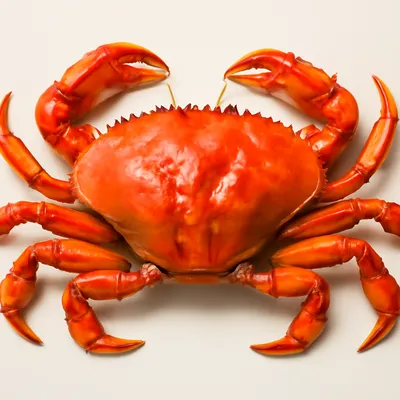



Arroz de aratu belongs to the mangrove-fishing communities of coastal Sergipe, Brazil's smallest state, whose shoreline is threaded with the estuaries and tidal forests that the aratu crab inhabits. Catching and picking the crabs has long been artisanal work, often the labor of marisqueiras — women shellfish-gatherers who wade the muddy flats. The dish sits in the broader Northeastern tradition of seafood rices and is one of the signature plates of the southern Sergipe coast, frequently set beside a glass of mangaba juice as a regional pairing.
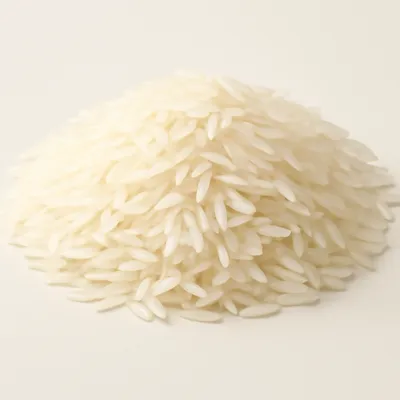
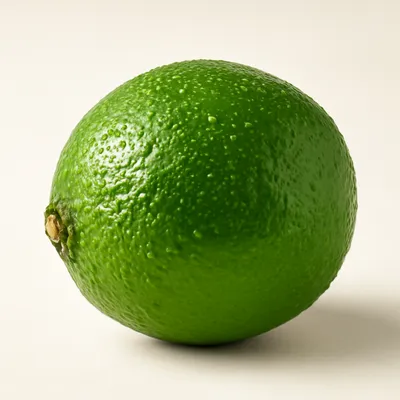
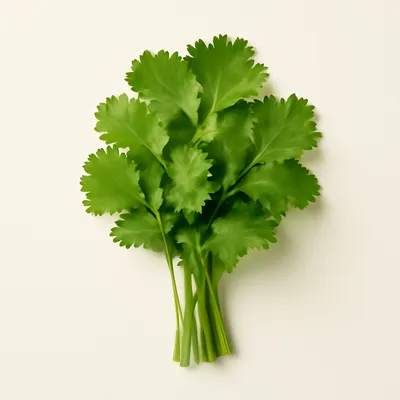
Loose, glistening rice shot through with little threads of sweet crab meat, the grains tinted faintly orange and tasting thoroughly of the sea — clean brine with a soft, almost earthy depth from the mangrove. Tomato, onion, and coentro brighten it; a squeeze of lime cuts the richness. You eat slowly, finding the meat among the rice, the way the dish was made slowly to begin with.
The flavor is built in stages. The picked crab meat — and, crucially, the fat and juices scraped from the shells — is sautéed with onion, garlic, and tomato so its briny essence dissolves into the fat base, the refogado. The rice is then toasted in that flavored fat before liquid (crab broth made from the shells, or water) is added, so every grain absorbs the crab flavor as it cooks by absorption to a dry, separate finish. Picking thoroughly matters: aratu are small, and the sweetness lives as much in the shell fat as in the meat. Overcook and the delicate crab turns to threads with no texture left.
Variations
Sergipe kitchens keep it simple and crab-forward; some enrich it with a little coconut milk or dendê for a fuller, more Bahian note, while others stay clean with just refogado and lime. Where aratu is scarce, cooks substitute guaiamum or other small mangrove crabs, or use siri (swimming crab). The same approach yields arroz de siri and arroz de caranguejo elsewhere on the Northeastern coast. A drier, farofa-topped version is common at home.
On the Palate
Where Arroz de Aratu sits in the Brazilian flavor cloud
Ingredients
Serves 4
How it's made
7 steps · 45 min active + 45 min waiting
- 115 min
Clean the aratu crabs well, then cook them briefly in salted water; reserve the cooking liquid as broth.
- 220 min
Pick the meat by hand and scrape the fat and juices from the shells, keeping them with the meat.
Watch outScrape the fat and juices from the shells and keep them with the meat — much of the sweetness lives in that shell fat, not the meat alone.
- 310 min
Make a refogado: sauté onion, garlic, and tomato in oil until soft, then stir in the crab meat and shell fat.
- 43 min
Add the washed rice and toast it briefly in the flavored fat.
Watch outToast the washed rice in the crab fat until the grains turn glassy — this seals them so they cook up separate, not clumped.
- 53 min
Pour in the reserved crab broth (or water), season with salt, and bring to a simmer.
- 618 min
Cover and cook gently until the rice is tender and the liquid is absorbed.
Watch outCover and cook gently until the liquid is just absorbed — overcook and the delicate crab frays to threads with no bite.
- 74 min
Fold through chopped coentro, fluff, and finish with a squeeze of lime; serve hot.
Archive tool suggestions — not reviewed
These legacy suggestions have not been evidence-reviewed and are not presented as required tools.



