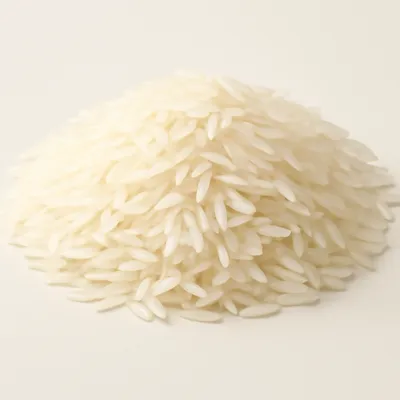
The defining full plate of São Paulo: mashed beans thickened to a soft tutu with cassava or corn flour, set beside white rice, a pork chop, sliced linguiça, garlicky sauteed couve, a fried egg and a piece of breaded fried banana. It is a generous, all-on-one-plate lunch that paulistanos traditionally eat on Mondays. The State of São Paulo declared it intangible cultural heritage in 2018.




The dish traces to the bandeirantes, the São Paulo expeditioners who crossed Brazil's interior through the 17th and 18th centuries. On the march their staples were beans, pork fat and cassava or corn flour, foods that kept well; jostled together in transit they ended up 'virados' — turned over and mixed — which is said to have given the preparation its name. Over time it settled into the city's everyday menus and became fixed as the Monday plate. In 2018 Condephaat, the state heritage council, inscribed it as intangible cultural heritage of São Paulo.
A loaded plate eaten with a fork working corner to corner: soft, savory mashed beans flecked with toasted flour; fluffy white rice; a thin pork chop fried crisp at the edges; coins of smoky linguiça; bitter-green couve cut to ribbons and wilted in garlic; a runny fried egg; and the sweet, caramelized contrast of fried banana. No single element dominates — the point is the whole spread at once.
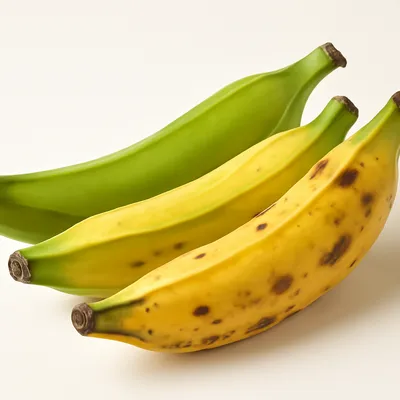
The beans become tutu when toasted cassava or corn flour is stirred into the hot cooked beans and their liquor: the flour's starch swells in the broth and thickens the mash to a soft, scoopable consistency rather than a soup. The flour must be added gradually off a hard boil and stirred through, or it clumps. Frying the banana in a crumb coat sets a sweet, crisp counterpoint against the salty pork and beans — the deliberate sweet-savory balance that makes the plate read as complete.
Variations
The tutu de feijão (flour-thickened beans) is the backbone, but cooks vary the rest: some add bacon or pork rinds to the beans, swap the pork chop for fried pork loin, or add a slice of fried polenta. The closely related virado de feijão and the Mineiro tutu à mineira share the bean-and-flour base; the full Paulista plate is distinguished by carrying chop, sausage, couve, egg and banana all together.
On the Palate
Where Virado à Paulista sits in the Brazilian flavor cloud
Ingredients
Serves 4


How it's made
6 steps · 45 min active + 15 min waiting
- 160 min
Cook carioca or pinto beans until soft, reserving their cooking liquid.
- 28 min
Off the boil, stir toasted cassava or corn flour into the hot beans and liquor until thickened into a soft tutu.
Watch outStir the toasted flour into the beans off a hard boil, gradually — dumped in all at once onto boiling liquid it clumps instead of thickening smooth.
- 312 min
Season and pan-fry the pork chops until crisp at the edges, then brown the sliced linguiça.
- 46 min
Shred couve finely and saute quickly in garlic and oil until just wilted.
- 58 min
Bread thick slices of banana and fry until golden; fry the eggs to order.
Watch outBread and fry the banana until golden — that sweet, crisp counterpoint against the salty pork and beans is what makes the plate feel complete.
- 65 min
Plate the rice, tutu, pork chop, linguica, couve, fried egg and banana side by side and serve.
Archive tool suggestions — not reviewed
These legacy suggestions have not been evidence-reviewed and are not presented as required tools.



