
The defining everyday dish of the cerrado: white rice cooked with pequi, the strongly aromatic golden fruit of the high plains, until the grains take on its perfume and a faint amber stain. Onion, garlic, and often pieces of chicken go in alongside, but the pequi is the whole point — its scent fills the kitchen. One firm rule governs the eating: never bite into the fruit. Below the soft yellow flesh sits a pit covered in fine, sharp spines, so the pulp is gnawed gently off the stone with the front teeth and the pit is set aside.
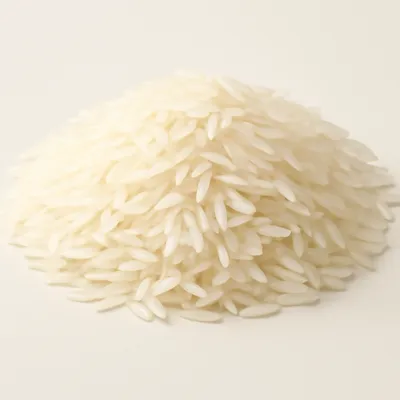




Arroz com pequi belongs to the cerrado, the vast tropical-savanna scrubland that covers much of Goiás, and is equally beloved across Goiás, Minas Gerais, and Tocantins where the pequi tree grows wild. The fruit was a staple of indigenous and later caboclo and sertanejo diets long before it became restaurant food, gathered in the rainy-season months when it ripens and falls. Rather than a dish invented on a particular date, it is a way of cooking a regional ingredient that has been handed down as part of cerrado identity; today it is one of the best-known plates of Goiano cuisine.
A pot of golden-tinged rice, each grain glossy with oil and carrying the strong, particular smell of pequi — a perfume often likened to ripe cheese, resin, and tropical fruit all at once, polarizing on first encounter and craved once acquired. The fruit pieces sit among the rice, their flesh soft and faintly oily, slightly bitter-sweet. With chicken in the pot it eats as a full plate; on its own it is a fragrant side. The pleasure and the hazard are the same stone fruit, eaten with care.
Pequi's aroma and color live in the oil of its flesh, so the fruit is browned in oil at the start to bloom its scent and tint the fat before the rice goes in — cook it too briefly and the perfume stays muted. The rice is then toasted in that infused oil and simmered in stock so each grain absorbs the flavor evenly. The eating technique is itself the safety mechanism: the pit is ringed with sharp woody spines just under the flesh, so the pulp is scraped off with the front teeth only and the stone is never bitten through or chewed.
Variations
Made plain as a side, or turned into a one-pot meal with chicken (the line between a rich arroz com pequi and a galinhada com pequi is blurry, the latter leaning meatier and soupier). Some cooks add saffron-yellow açafrão (turmeric) for color, others a little chili. Where fresh pequi is out of season, cooks use it preserved in brine, which is milder. It is almost always served with the warning to eat the fruit carefully and never bite the pit.
On the Palate
Where Arroz com Pequi sits in the Brazilian flavor cloud
Ingredients
Serves 4
How it's made
6 steps · 35 min active + 15 min waiting
- 18 min
Heat oil in a pot and add the pequi fruits whole; fry gently until they release their aroma and color the oil.
Watch outThe oil should turn deep golden and smell strongly resinous before you move on — that scent in the fat is the whole dish.
- 26 min
Add chopped onion and garlic (and chicken pieces, if using) and brown lightly.
- 33 min
Stir in the rinsed rice and toast it in the fragrant oil for a couple of minutes.
Watch outThe rice edges go glassy and translucent as they toast, and the grains smell faintly nutty — that is when to add the stock.
- 43 min
Pour in hot stock or water, season with salt, and bring to a simmer.
- 518 min
Cover and cook on low until the rice is tender and the liquid absorbed.
Watch outKeep the heat low and leave the lid on; you want the liquid gone and the grains tender, not a hard crust on the bottom.
- 65 min
Let it rest off the heat a few minutes, then fluff and serve, warning diners to gnaw the pequi flesh and never bite the spiny pit.
Archive tool suggestions — not reviewed
These legacy suggestions have not been evidence-reviewed and are not presented as required tools.



