
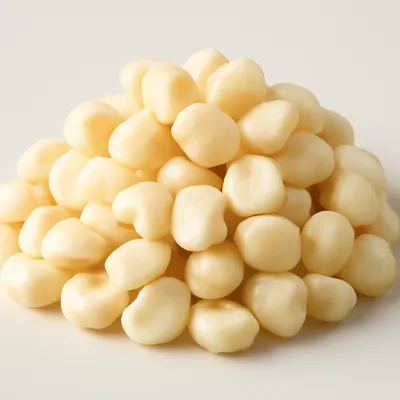


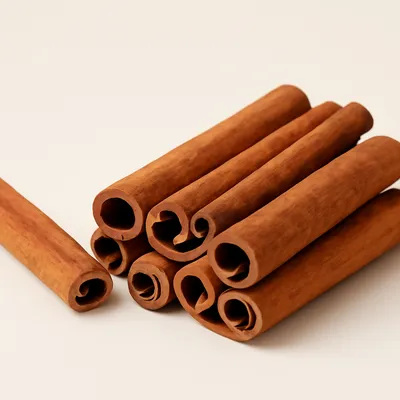
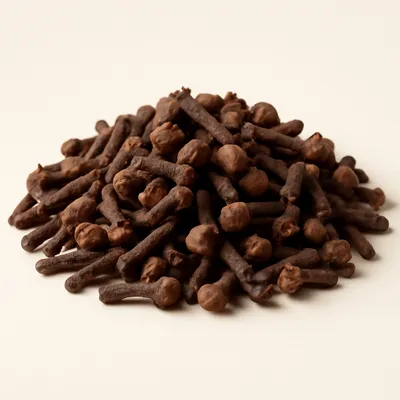

Indigenous Tupi peoples cooked maize into porridge long before contact; Portuguese colonists added sugar, cinnamon, and clove from their spice trade routes; African cooks brought coconut milk. The June Festa Junina (originally Catholic St. John's Day, syncretized with winter-harvest celebrations) became canjica's annual stage — corn is the festival's central crop, and canjica anchors the dessert table alongside pamonha and curau.
Tupi maize porridge, with Portuguese sugar-cinnamon-clove and African coconut milk layered on. Anchored to Festa Junina (June, southern-hemisphere winter — St. John's Day syncretized with corn-harvest rites). Uses dried white hominy (milho para canjica), not sweetcorn — overnight soak, 90-minute simmer, or kernels stay chalky.
White hominy kernels, swollen and tender, suspended in a thick coconut-milk porridge speckled with cinnamon and clove. Each kernel pops between the teeth and releases starchy corn flavor; the broth is sweet but not cloying — closer to rice pudding than to dessert. Served warm in a small bowl on Festa Junina nights in June, when southern-hemisphere winter starts and Brazilians want food that warms hands.
The kernel matters: canjica uses dried white hominy (milho para canjica), which is field corn nixtamalized or simply hulled, not sweetcorn. It needs an overnight soak and a 90-minute simmer to soften — skipping the soak gives chalky kernels that never fully cook. Coconut milk goes in late so it doesn't break; sugar even later, because sugar slows starch hydration and the kernels would stay firm.
Variations
Canjica branca (white, the southeastern standard with coconut milk); canjica nordestina with peanuts; mungunzá (the northeastern name, often saltier and looser); Mocotó in São Paulo runs a savory pork-knuckle mungunzá.
On the Palate
Where Canjica sits in the Brazilian flavor cloud
Ingredients




How it's made
5 steps · 1 hour 30 min
- 184 min
Soak hominy overnight in water to soften.
Watch outSoak the hominy overnight until a kernel gives when pinched — skip it and the kernels stay chalky and never fully cook.
- 21 min
Drain and transfer the hominy to a pot, covering with water and cooking until tender.
- 33 min
Add coconut milk, sugar, cinnamon, and clove, and simmer until thickened.
Watch outAdd the coconut milk once the kernels are already soft, and keep it at a low simmer — a hard boil splits it into oily flecks.
- 41 min
Stir in condensed milk and peanuts, cooking for a few more minutes.
Watch outHold the sugar back until the kernels are tender — sugar going in early slows them softening and they'll stay firm.
- 53 min
Serve warm, garnished with a sprinkle of cinnamon.
Archive tool suggestions — not reviewed
These legacy suggestions have not been evidence-reviewed and are not presented as required tools.


