In Practice
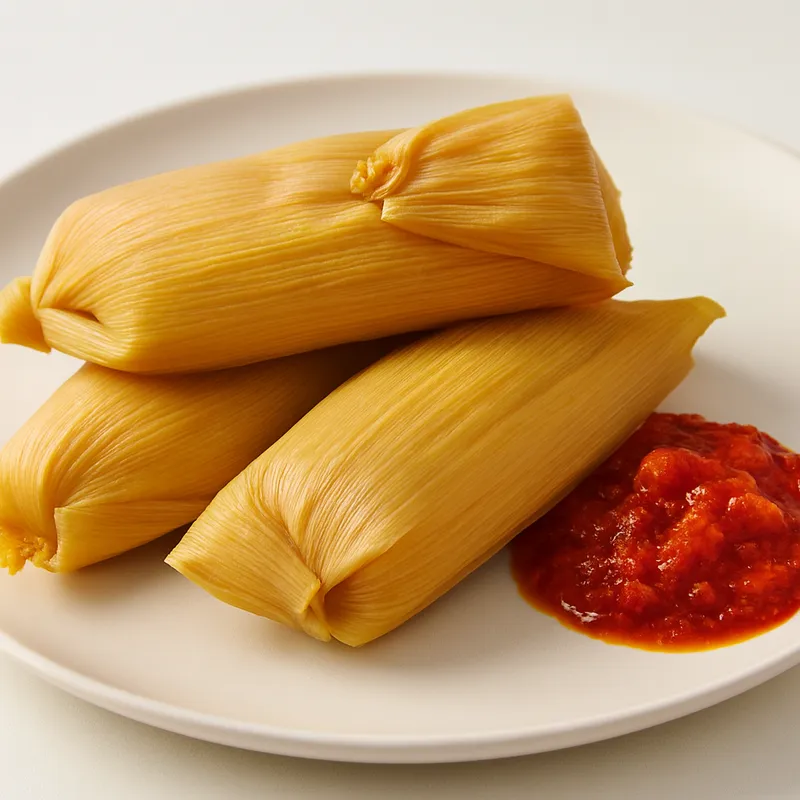
1 kg dried field corn (cacahuazintle, bolita, or olotillo for tortillas), 1 L water, 10-15g calcium hydroxide (1-1.5% by maize weight). Bring to 90°C — not full boil, which over-cooks the endosperm — hold 30-50 minutes, then steep covered 8-14 hours. Drain, rinse twice. Grind on basalt metate or motorized molino while still warm into masa. Failure modes: too much cal turns the masa yellow-green and soapy-bitter; under-steeping leaves hard cores in the kernels; using only baking soda (sodium bicarbonate, pH 8.3) doesn't reach the alkaline threshold.
Background
In the heart of ancient Mesoamerica, around 1500 BCE, the technique of nixtamalization emerged as a revolutionary method for processing maize. The Olmecs, a civilization thriving in what is now southern Mexico, discovered that boiling maize kernels with limestone not only made them easier to grind but also enhanced their nutritional value. This was no accident; limestone was plentiful in the region, and the need to maximize the nutritional potential of maize, a staple crop, was critical for sustaining large populations.
As the technique spread across Mesoamerica, each culture added its own touch to the process. The Aztecs and Mayans adopted it, and it became integral to their culinary traditions. When the Spanish arrived in the 16th century, they took note of nixtamalization. Though the technique did not initially travel widely beyond the Americas, its principles laid the groundwork for other similar processes around the world, influencing European grain processing methods over time.
How It Works
Maize cooked and steeped in calcium hydroxide solution at pH 11-12 dissolves the pericarp's hemicellulose so the bran sloughs off, releases bound niacin (preventing pellagra), liberates lysine and tryptophan, and converts a fraction of the starch into a calcium-pectin gel that lets the dough cohere without gluten. Carotenoid pigments shift, and the aromatic 2-aminoacetophenone — the smell of fresh tortillas — forms.
What the Lime Unlocks
the mental modelNixtamalization is corn cooked and steeped in slaked lime — calcium hydroxide at pH 11–12 — and that single alkaline bath does four things at once that plain water never could. It strips the hull, transforms the nutrition, remakes the dough, and mints a flavor. Read these four and you understand why every tortilla begins not with grinding but with lime.
Cook One




Through Time
Originated 1500-1200 BCE in Olmec Mesoamerica — archaeological cal-coated stones at Bay of Veracruz sites confirm the date. Diffusion through Maya, Zapotec, and Aztec polities. The Aztec name nextamalli (nextli=ashes, tamalli=cooked dough) gave the English term. Spanish colonizers exported maize without the technique, causing 18th-19th century European pellagra epidemics. Documented anthropologically by Sophie Coe's 1994 *America's First Cuisines* and chemically by Ricardo Bressani's UN-FAO work in the 1980s.
Related cooking knowledge
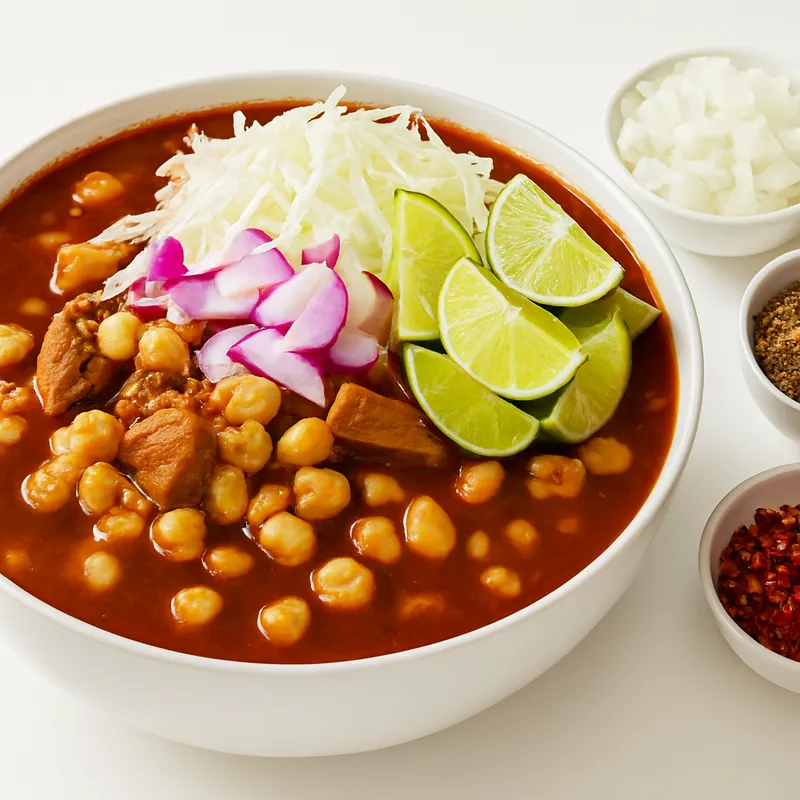
Hominy and grits use the same nixtamalization with looser grinding. Kenkey (Ghana) ferments nixtamalized maize. Pozole soup features whole-kernel nixtamal. The closest non-maize cousin is alkaline-water Chinese noodle making (lye-water/jian shui), which uses pH manipulation to alter starch behavior. Sourdough's pH-shift mechanism is acid-side but conceptually parallel.