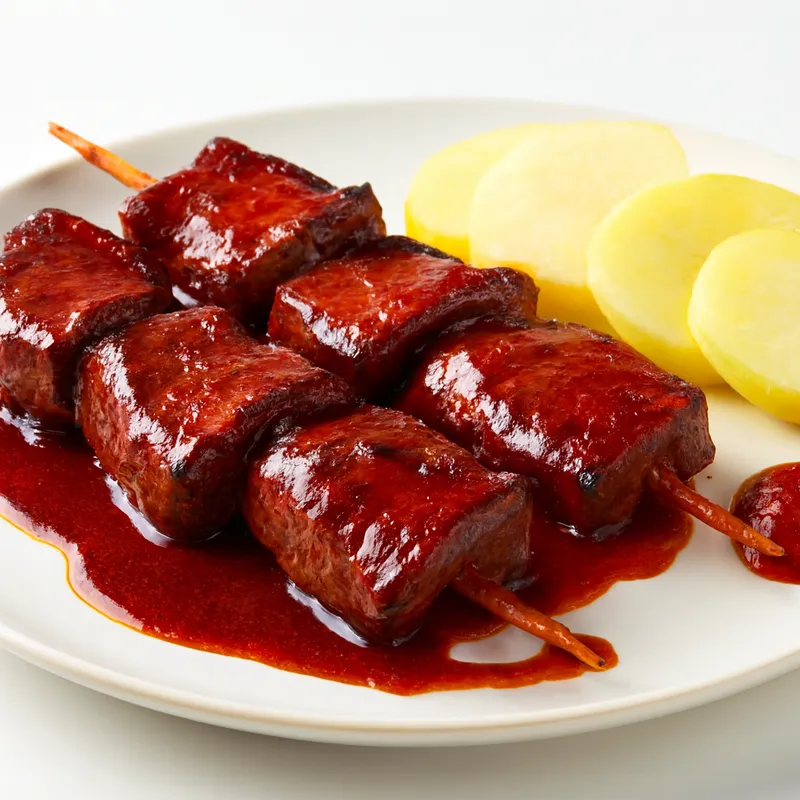
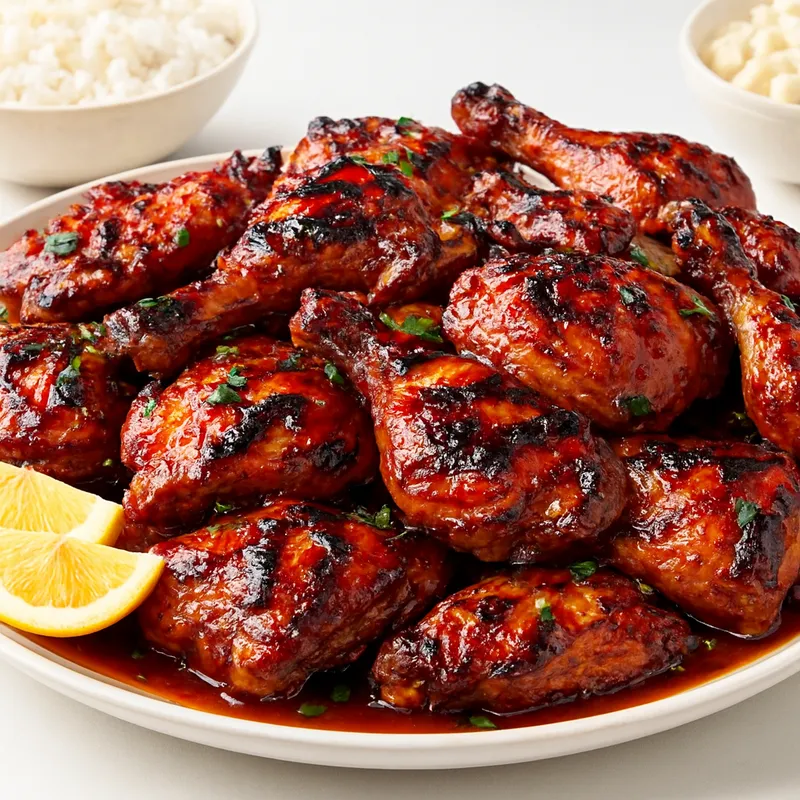
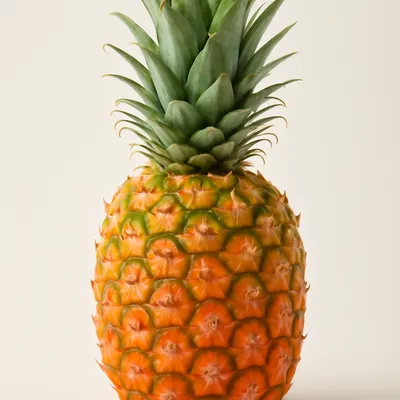
Adapted from Lebanese shawarma in two stages: tacos árabes appeared in Puebla in the 1930s (lamb/pork on a vertical spit in pita-like pan árabe), and the dish evolved into tacos al pastor proper in Mexico City in the 1960s — they swapped lamb for pork (Mexico had a pork industry, Lebanese-Muslim shawarma originally didn't), kept the vertical spit, and added pineapple as a Mexican sweetener that doubles as a tenderizer. "Al pastor" means "shepherd-style," referring to the original Lebanese sheep-on-spit form.
Street food royalty, these tacos marry juicy marinated pork with a sweet zing from pineapple, all wrapped in corn tortillas that whisper of tradition.
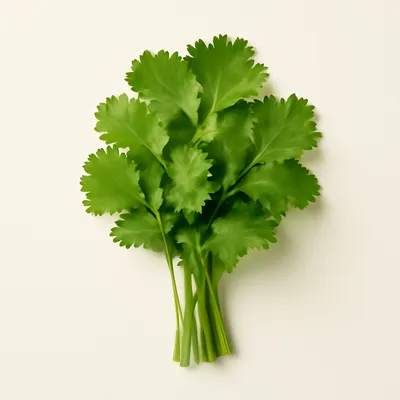
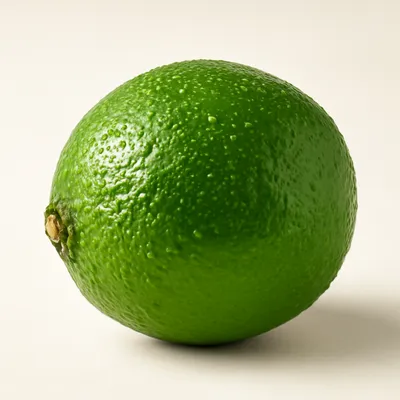
Pork shavings, edges crisp from the trompo flames, dropped onto a corn tortilla the size of a coffee saucer. A slice of grilled pineapple lands on top, then white onion, cilantro, lime. Salsa verde on the table. Two bites per taco. The good stalls catch the pineapple slice that flies off mid-cut.
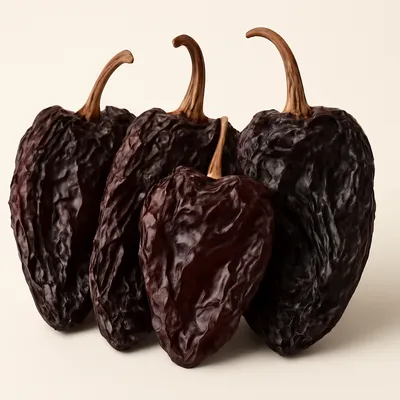
Pineapple is the secret. Bromelain, the enzyme in raw pineapple, breaks down pork protein at the surface, giving al pastor its signature near-melting texture. The marinade — achiote (annatto), guajillo and pasilla chilies, cumin, garlic, vinegar, orange juice — also tenderizes via acid. The vertical trompo lets fat and juice run down through the stack, basting lower layers; the top is always the most caramelized.
Variations
Trompo (vertical spit, the canonical); flat-griddle adaptation (smaller stalls); tacos arabes in Puebla skip the chiles for the original Lebanese style; cabeza, suadero, lengua are sister offerings.
On the Palate
Where Tacos al Pastor sits in the Mexican flavor cloud
Get the marinade and the char right: raw pineapple's bromelain plus the acidic achiote-chili paste must break down the pork surface before it hits the spit, because that enzymatic tenderizing is what gives al pastor its melting bite and the deep caramelized edge.
Ingredients







How it's made
5 steps · 1 hour 20 min active + 2 hours waiting
- 110 min
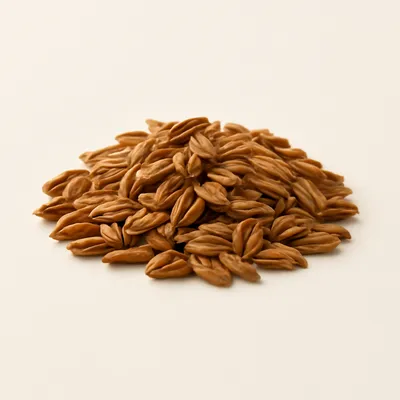
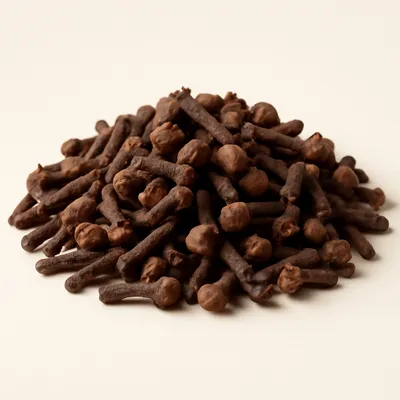
In a large bowl, combine the dried chilies, garlic, cumin, clove, bay leaf, and vinegar. Add the pork, ensuring it is well-coated with the marinade. Cover and let it marinate in the refrigerator for at least 2 hours to allow the flavors to meld.
Watch outThe pork should be fully coated and glossy red from the chili-achiote paste before it goes in the fridge.
- 245 min
Prepare your vertical rotisserie or grill. Once heated, place the marinated pork onto the spit. Cook slowly over a charcoal or gas flame, rotating occasionally until the meat is deeply browned and caramelized on the outside.
Watch outRotate slowly and wait for a deep mahogany crust with charred edges — pale meat means it went too fast.
- 310 min
Thinly slice the browned pork off the spit using a sharp knife. The slices should be tender and juicy, with a slight crisp on the edges.
Watch outGood slices are juicy with a crisp lacy edge; if they're dry, you sliced too deep past the caramelized layer.
- 45 min
Warm the corn tortillas on a skillet or directly over the flame until they are soft and pliable.
- 510 min
Assemble the tacos by placing a portion of sliced pork onto each tortilla. Top with finely chopped onions, cilantro, and diced pineapple. Serve with a wedge of lime on the side.
Archive tool suggestions — not reviewed
These legacy suggestions have not been evidence-reviewed and are not presented as required tools.
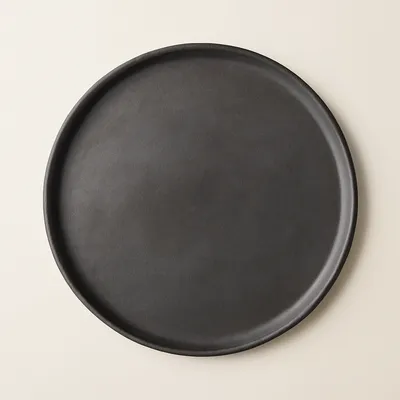
A flat round griddle of steel, cast iron, or unglazed clay, 30-50 cm across, the workhorse of the Mexican kitchen. It sits directly over a flame to toast tortillas (the puff happens in 30 seconds when the heat is right), char chiles for moles, blister tomatoes for salsas, and warm reheated leftovers. Clay comales (especially from Oaxaca) season with each use and impart a faint smoky tang that no metal version can fake.
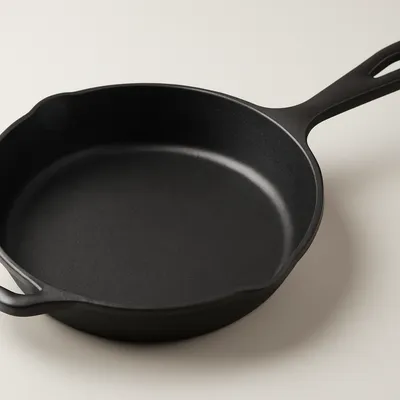
A heavy, single-piece cast iron pan, 25-30 cm across, weighing 1.5-2.5 kg. Once preheated, the thick mass holds 230°C+ even when a cold steak hits the surface — that's the secret to a deep crust. A well-seasoned skillet (multiple thin layers of polymerized oil baked into the iron) is essentially nonstick, gets better with use, and lasts a century. Lodge skillets from Tennessee have been in continuous production since 1896.
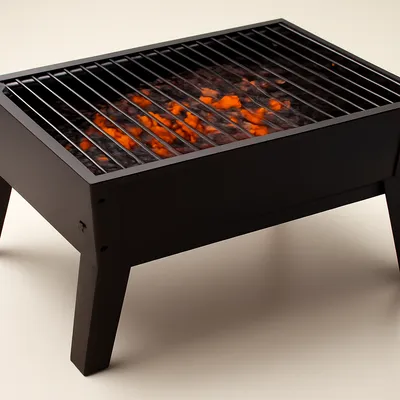
An open or hooded metal frame holding a bed of glowing charcoal embers, with a grate above. Charcoal burns at 700°C+ on the surface and emits short-wave infrared, which cooks proteins faster and with deeper Maillard browning than gas. Hardwood lump charcoal (oak, mesquite, fruitwood) lends its own smoke; cheap briquettes do not. Mastery is mostly heat zoning — direct over coals for searing, indirect off-coals for slow-roasting.

A pit oven dug into the ground, lined with porous lava rock, in which a wood fire is built and burned down to embers. Banana stalks and ti leaves are layered on top of the hot rocks, then a whole kalua pig (or other large protein) is wrapped in more leaves and lowered in; the whole pit is covered with wet burlap and earth and steams for 6-12 hours. The result has a smoky-sweet flavor no above-ground oven can replicate.