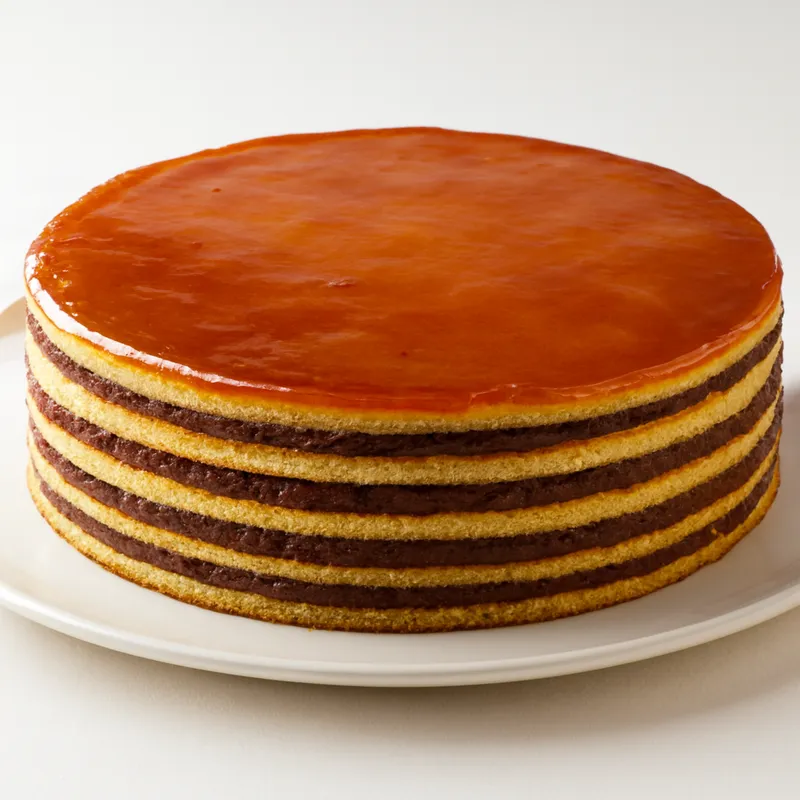
A light and airy mousse made with fresh yellow passionfruit, whipped cream, and a touch of sugar, perfect for a tropical dessert.
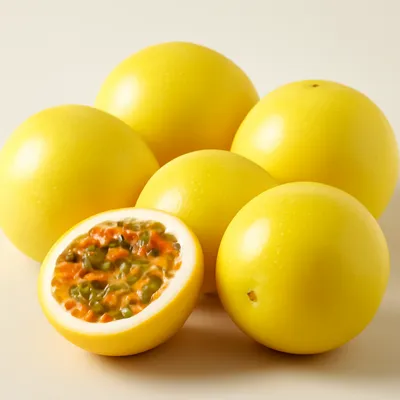
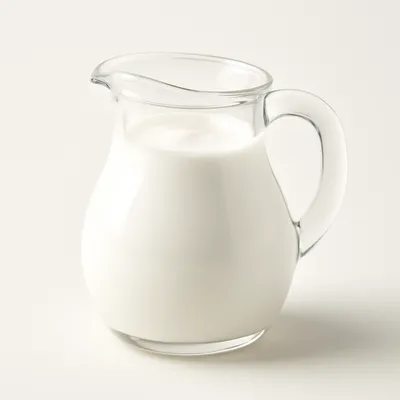


A Brazilian home-cook formula from the 1970s–80s, when sweetened condensed milk (Nestlé's Moça) and locally cheap maracujá were both pantry staples. The 1:1:1 ratio — one can condensed milk, one can heavy cream, one can passionfruit juice (measured in the empty milk can) — became gospel because it works without a recipe card and sets in the fridge in two hours, no gelatin needed.
1970s-80s Brazilian home formula: one can sweetened condensed milk, one can heavy cream, one can passionfruit juice (measured in the empty milk can). Sets without gelatin because maracujá's pH around 3.0 partially curdles the dairy proteins as it chills.
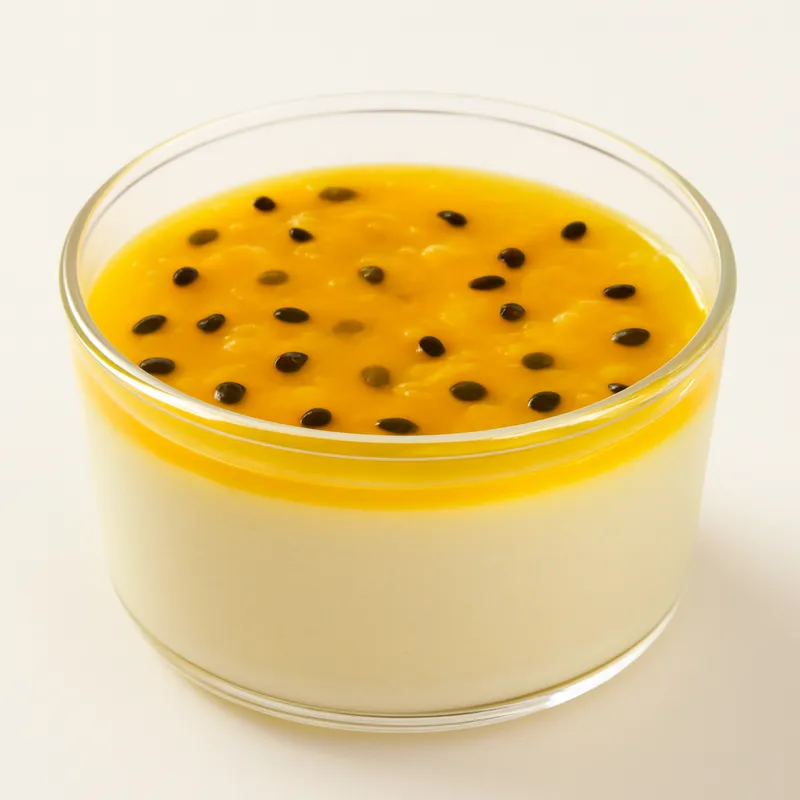
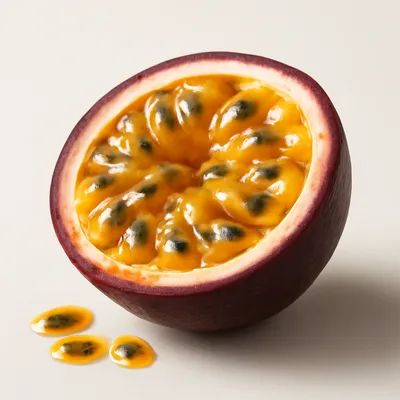
Pale yellow, set in a small glass, holding a dome shape. The first spoon is whipped-cream soft; the second carries the sour punch of fresh maracujá that cuts through condensed milk's sweetness. Black passionfruit seeds and a spoonful of raw pulp go on top — the seeds crunch, the pulp is acidic enough to make your jaw tighten. Three ingredients, served cold, eaten in five spoonfuls.
Setting comes from acid, not gelatin: passionfruit pH around 3.0 partially curdles the dairy proteins, which firms the mousse as it chills. Use bottled juice from concentrate and it won't set — it's pasteurized down to a higher pH. The seed garnish on top isn't decoration either; it tells the eater the cook used real pulp, not a yellow purée.
Variations
1:1:1 home version (the gospel ratio); restaurant version with gelatin and torched meringue top; mousse de maracujá com chocolate (D.O.M.-era plated; layered with ganache); the bottled-juice fail (won't set — pasteurized to higher pH).
On the Palate
Where Passionfruit Mousse sits in the Brazilian flavor cloud
Setting comes from acid, not gelatin, so the passionfruit has to be the real thing: fresh pulp at around pH 3 gently curdles the dairy and firms the mousse as it chills — bottled juice from concentrate is pasteurized to a higher pH and simply won't set, leaving you with sweet soup.
Ingredients
How it's made
5 steps · 20 min active + 2 hours waiting
- 15 min
Scoop the pulp from the yellow passionfruit and press it through a sieve to extract the juice, discarding the seeds. You should have about half a cup of juice.
Watch outEnsure the seeds are completely discarded for a smooth juice.
- 25 min
In a chilled mixing bowl, whip the heavy cream until soft peaks form. The cream should hold its shape but still look silky and smooth.
Watch outWhip the cream only to soft peaks that flop at the tip and still look silky — take it stiff and it'll break when it hits the acid.
- 33 min
In a separate bowl, whisk together the passionfruit juice and sugar until the sugar dissolves completely. The mixture should be smooth and slightly thickened.
Watch outWhisk the juice and sugar until every grain has dissolved and it looks glossy and slightly thickened — undissolved sugar leaves a gritty mousse.
- 45 min
Gently fold the whipped cream into the passionfruit mixture, taking care not to deflate the cream. Continue folding until well combined and the mousse is light and airy.
Watch outFold just until no pale streaks remain — the mixture should stay light and mousse-like, not slack and runny from over-mixing.
- 52 min
Transfer the mousse into serving glasses and chill in the refrigerator for at least 2 hours before serving to set the texture and enhance the flavors.
Archive tool suggestions — not reviewed
These legacy suggestions have not been evidence-reviewed and are not presented as required tools.