A dark, intensely seasoned Northeastern stew of pork (or goat) offal — liver, heart, kidney, tripe, and other innards — cooked with the animal's own blood, which thickens and darkens the sauce. It is built on garlic, cumin, bay, peppers, and plenty of cheiro-verde, and is a special-occasion dish tied to the home slaughter of a pig. Most associated with Pernambuco, it is served hot over white rice with cassava flour. Its richness and offal base make it a polarizing, deeply traditional plate.



Sarapatel came to Brazil with the Portuguese, who had long made an offal-and-blood dish of the same name; in Portugal the word is recorded from around the mid-18th century, and the Alto Alentejo version is often made with lamb or kid. It belongs to the old "fifth quarter" (quinto quarto) ethic of using the blood and innards that the wealthy discarded and the poor would not waste. In the Brazilian Northeast it took root with pork and local seasoning and became a dish for the day a pig was slaughtered, when the fresh blood and organs had to be cooked at once. It is especially identified with Pernambuco but is loved across Bahia, Ceará, and Paraíba.
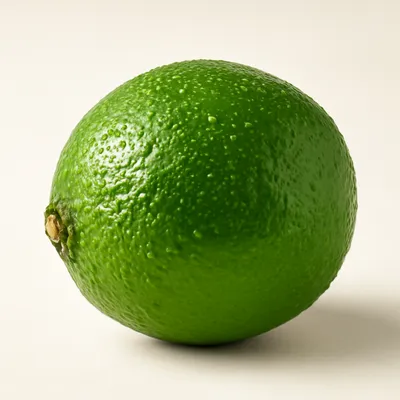
Deep, dark, and powerfully savory, with the metallic-mineral note of blood softened by long cooking and lifted by acid and herbs. The textures are varied — silky liver, springy heart, chewy tripe — and the sauce is thick and almost gravy-like. Cumin and bay run through it; a splash of vinegar or lime and a hit of fresh cheiro-verde keep the richness from turning heavy. It is unmistakably an offal dish, frank and full-bodied.
The whole craft is in the blood: it is collected with a little vinegar or salt to keep it from clotting, then stirred into the simmering stew near the end, where its proteins set just enough to thicken and color the sauce without curdling into lumps — too hot or too fast and it splits. The offal is scrupulously cleaned and parboiled first, often with vinegar or lime and aromatics, to scour off strong odors before the long braise tenderizes it. Acid does double duty, cutting the richness and stabilizing the blood, while cumin and bay anchor the heavy seasoning.
Variations
Goat sarapatel (de bode) is common in the sertão and prized at festas; pork is the everyday Pernambuco standard. Some cooks leave the blood out for a milder "white" version, while others reduce it hard into a near-paste. Close relatives include the Goan sarapatel carried by the Portuguese to India and the buchada and chambaril of the same Northeastern offal tradition.
On the Palate
Where Sarapatel sits in the Brazilian flavor cloud
Ingredients
Serves 6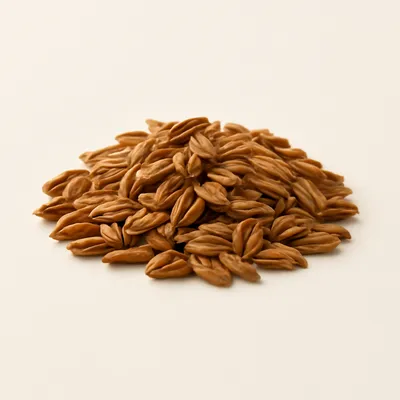

How it's made
5 steps · 50 min active + 1 hour 10 min waiting
- 15 min
Collect the fresh blood with a little vinegar or salt so it does not clot, and refrigerate it.
Watch outCollect the blood with a little vinegar or salt so it won't clot — clotted blood turns to lumps instead of a smooth thickener.
- 225 min
Clean all the offal scrupulously, then parboil it in water with vinegar or lime and aromatics to remove strong odors; drain and dice.
- 312 min
In a large pot, sweat onion, garlic, and peppers in oil, season with cumin, bay, and pepper, add the diced offal, and brown lightly.
- 440 min
Add water or stock, bring to a low simmer, and braise gently until the offal is tender and the sauce has reduced and thickened.
- 510 min
Stir the strained blood into the gently simmering stew off a hard boil so it thickens without curdling, brighten with vinegar or lime, finish with cheiro-verde, and serve over rice with cassava flour.
Watch outStir the blood in off a hard boil — let it boil and the blood proteins seize and split into grains instead of thickening the sauce.
Archive tool suggestions — not reviewed
These legacy suggestions have not been evidence-reviewed and are not presented as required tools.



