
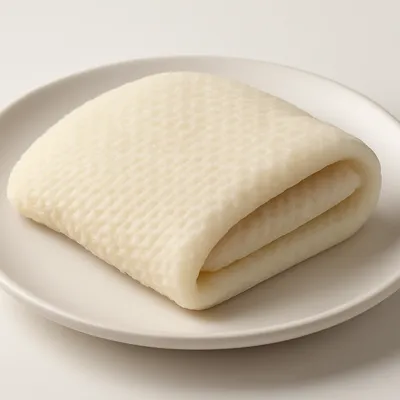
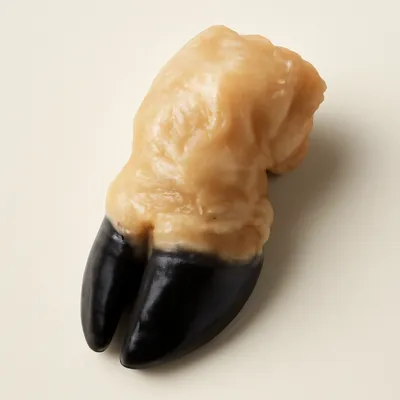
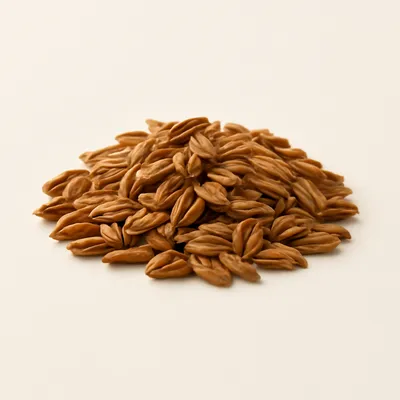
A hearty Ceará stew of beef stomach and tripe with mocotó (cow's foot), simmered for hours with garlic, cumin, bay, annatto, and cheiro-verde until everything turns tender and the broth goes thick and gelatinous. A frugal "nothing-wasted" dish, it is classic market and fair food, ladled out at dawn from big pots in the stalls of Fortaleza and across the state. It comes with white rice, cassava flour, and a squeeze of lime.


Panelada belongs to the Northeastern tradition of cozinha de aproveitamento, the thrifty cooking that uses the whole animal. It grew up as food for rural and working people, who took the offal and feet left after the prime cuts were sold and turned long, slow cooking into a rich, restorative meal. In Ceará it became market-and-fair fare and an early-morning restorative, eaten by stallholders, drovers, and revelers, and it is widely held to settle the stomach after a hard night. The name comes simply from panela, the pot it cooks in.
Soft, yielding pieces of tripe and stomach with the faint give of long-cooked offal, and chunks of mocotó so collagen-rich they go sticky on the lips. The broth is deep, peppery, and earthy with cumin and annatto, just shy of a gel; cassava flour stirred in thickens it further. It is a frank, robust, full-flavored bowl, not a delicate one — the kind of food meant to fortify.
The success of the dish is all in cleaning and pre-cooking the offal: stomach and tripe are scrubbed, then blanched, often with a little vinegar or lime, to scour off any strong smell before they go into the pot. The mocotó is the engine of the broth — its collagen breaks down over hours of gentle simmering into gelatin, which gives the liquid its body and gloss. The long, low cook tenderizes the connective tissue without toughening it, and a pressure cooker is now commonly used to shorten the hours. Annatto colors it, and cumin carries the flavor.
Variations
Close kin to the dish are dobradinha (tripe with beans) and the goat-offal buchada, and some cooks add white beans or potatoes to bulk it out. A Pará-Belém version travels under the same name with its own seasoning. Where the broth is reduced hardest it is eaten almost as a thick caldo; thinned, it becomes a morning soup sold by the cup.
On the Palate
Where Panelada sits in the Brazilian flavor cloud
Ingredients
Serves 6


How it's made
5 steps · 45 min active + 2 hours 15 min waiting
- 120 min
Scrub the beef stomach and tripe thoroughly, then blanch them in boiling water with a splash of vinegar or lime to remove any strong odor; drain and cut into pieces.
Watch outScrub and blanch the tripe with vinegar or lime until it's odor-free before it goes in the pot — this is the whole job; skip it and a strong smell taints the entire broth.
- 28 min
Blanch the split mocotó (cow's foot) briefly as well, then drain.
- 310 min
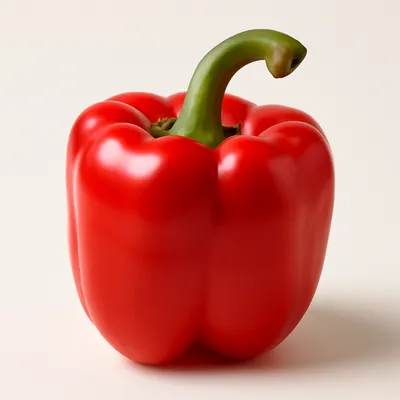
In a large pot, sweat onion, garlic, and bell pepper in annatto oil, season with cumin, bay, and pepper, and stir in the offal and foot.
- 4120 min
Cover with water, bring to a low simmer, and cook gently for a couple of hours (or under pressure) until everything is tender and the broth turns thick.
Watch outSimmer low and slow for a couple of hours until the foot's collagen breaks down — the broth turns thick and glossy on its own; rushed, the connective tissue stays rubbery and the soup stays thin.
- 55 min
Adjust salt, stir in some cassava flour to thicken if you like, finish with chopped cheiro-verde, and serve with rice and lime.
Archive tool suggestions — not reviewed
These legacy suggestions have not been evidence-reviewed and are not presented as required tools.



