
Pamonha is pre-Columbian — indigenous Tupi-Guarani peoples wrapped fresh corn paste in husks and boiled them centuries before European contact, the same logic as Mesoamerican tamales. Portuguese colonists added sugar and cinnamon; African influence brought coconut to northeastern versions. Today pamonha is most associated with Goiás (central-west Brazil), where mobile pamonharias still roam neighborhoods selling fresh pots from the truck.
Pre-Columbian Tupi-Guarani — same logic as Mesoamerican tamales, centuries before contact. Goiás owns the modern version; mobile pamonharias still drive neighborhoods selling fresh pots from the truck. Must be green (immature) corn — milky, high-moisture, active starch — mature corn won't bind.
A green corn-husk packet, palm-sized, tied at both ends. Open it: pale yellow corn paste, soft as polenta, flecked with coconut and a faint hum of cinnamon. Sweet pamonha tastes like fresh creamed corn dessert; salty pamonha hides a cube of cheese or sausage in the center. Eaten warm, fresh from the pot, in Goiás and Minas during the June corn harvest. Cold pamonha goes rubbery within hours.
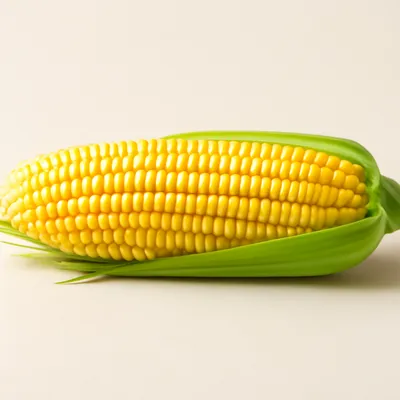
Must be made from green (immature) corn — the kernel is still milky, with high moisture and active starch that sets when cooked. Mature corn is too dry and hard; the paste won't bind. The husk isn't just a wrapper — it adds grassy aromatics during cooking and seals in moisture. The canonical method is to tie the packets tightly and boil them in water; a tight wrap is what keeps the paste from leaking and going soggy.
Variations
Pamonha doce (sweet, with cinnamon and coconut); pamonha salgada (savory, with cheese or sausage cube); Goiana version (the canonical, from Goiás); Mineiro version often firmer and drier; Pamonharia da Veveta on the GO-060 highway is a roadside benchmark.
On the Palate
Where Pamonha sits in the Brazilian flavor cloud
Ingredients

How it's made
5 steps · 1 hour 30 min
- 110 min
Grate the kernels from fresh sweet corn.
Watch outUse young, milky corn — press a kernel and it should squirt — the milk is the starch that sets the paste; mature corn is too dry to bind.
- 27 min
Mix the corn with coconut milk, sugar, melted butter, cinnamon, and a pinch of salt.
- 312 min
Spoon the mixture into soaked corn husks, folding and tying them securely.
Watch outTie each husk packet tight and leave no gaps — a loose wrap lets the paste leak out and go soggy in the water.
- 424 min
Steam the wrapped bundles until the filling is set.
Watch outIt's set when a poke gives no soft liquid center and the packet feels firm through the husk.
- 536 min
Serve warm, unwrapping the husks to reveal the tender pamonha.
Archive tool suggestions — not reviewed
These legacy suggestions have not been evidence-reviewed and are not presented as required tools.