A creamy fresh-corn pudding made from young green corn — the kernels are scraped from the cob, blended with milk, strained, and cooked down with sugar until thick, then set in cups and dusted with cinnamon. Pale yellow, smooth, and softly set, it tastes of pure sweet corn. It is one of the great sweets of the Festa Junina and the green-corn (milho-verde) season. Crucially, it is blended and strained smooth — which sets it apart from canjica, the pudding of whole hominy kernels.


Curau belongs to the same indigenous-rooted, maize-based country cooking as Brazil's other corn sweets, drawing on milho-verde (immature sweet corn) that has long been worked into puddings across the Southeast. It is a fixture of the Festa Junina, the June harvest festivals where corn is the dominant ingredient. There is a well-documented regional split in naming rather than a single origin point: the dish is called curau across much of the Southeast (São Paulo, Minas Gerais), while in parts of the Northeast the same green-corn pudding is known as canjica — the reverse of the Southeast, where canjica means a different pudding of whole white hominy. No fixed inventor or date attaches to it.
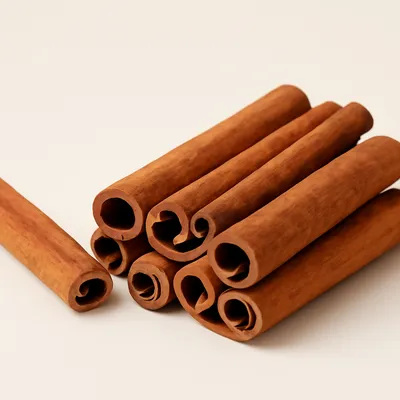
Spoon-soft and silky, just firm enough to hold a shape, with a fine velvety body and no graininess. The flavor is sweet green corn, clean and dairy-rich, with the warm spice of cinnamon dusted over the cool surface. Served chilled or at room temperature in little cups, it is gentle and milky — closer to a panna cotta than to a coarse porridge. The cinnamon is essential, both aroma and the dark line across the pale top.
The body comes from the corn's own starch, not from any added thickener. Scraping and blending the raw kernels releases their starch and milk into the liquid; straining removes the fibrous hulls so the finished pudding is smooth. As the strained corn-milk is cooked, the starch granules absorb water and gelatinize, thickening the mixture into a set custard as it cools — the same mechanism as a cornstarch pudding, but using the whole young kernel. Young green corn is essential because its starch is still soft and its sugars high; mature dried corn would be starchy and bland and would not set the same way.
Variations
Curau is most often made with milk, but a richer version uses coconut milk for a Northeastern, more tropical profile. Some cooks include a little of the corn's own cob or strain less for a slightly more textured pudding. Cinnamon is the standard finish; the sweetness varies by region. The name itself is the biggest variation — curau in the Southeast, canjica or canjicão in parts of the North and Northeast for the same smooth green-corn pudding. A firmer, sliceable version baked or cooked stiffer is sometimes called by the same name.
On the Palate
Where Curau sits in the Brazilian flavor cloud
Ingredients
Serves 6How it's made
5 steps · 25 min active + 10 min waiting
- 18 min
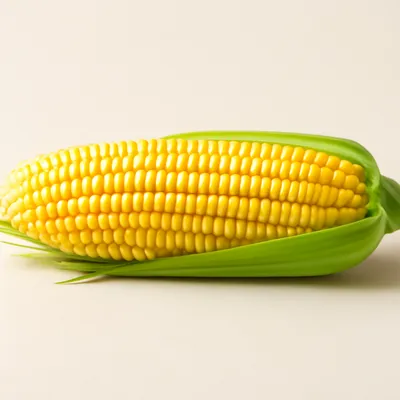
Scrape the kernels from fresh green corn cobs.
- 23 min
Blend the kernels with the milk until liquefied.
- 35 min
Strain the corn-milk through a sieve or cloth, pressing to extract all the liquid and discarding the fibrous pulp.
Watch outPress hard through the sieve to wring out all the corn-milk and leave only dry pulp — that milky liquid carries the starch that sets the pudding.
- 412 min
Cook the strained liquid with the sugar over medium heat, stirring constantly, until it thickens to a smooth pudding.
Watch outStir constantly over medium heat until it thickens to a smooth pudding — stop stirring and the corn starch scorches and lumps on the bottom.
- 55 min
Pour into cups, cool until set, and dust with cinnamon before serving.
Archive tool suggestions — not reviewed
These legacy suggestions have not been evidence-reviewed and are not presented as required tools.