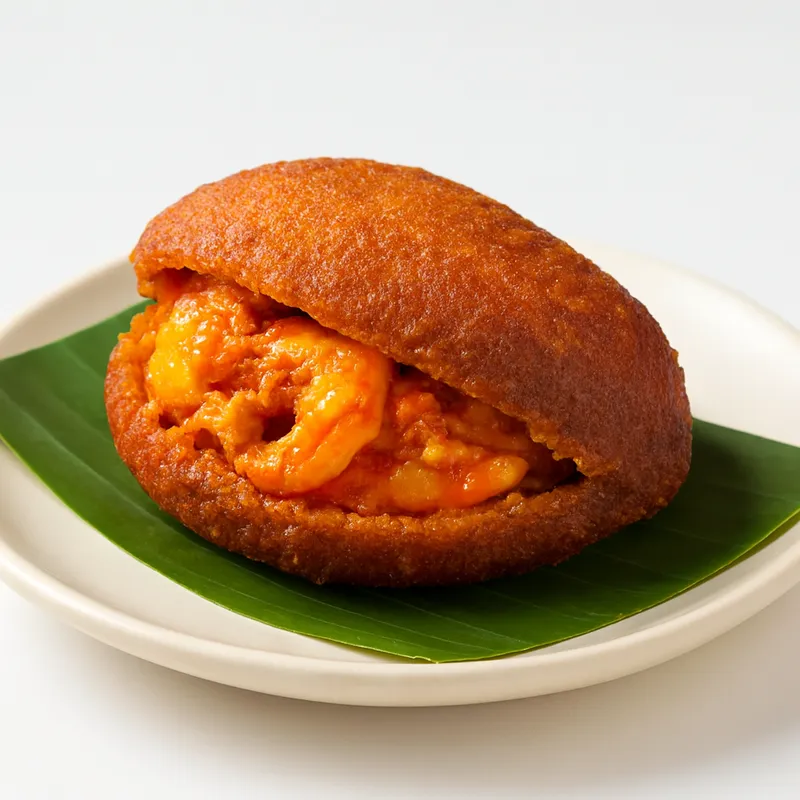
A hot São Paulo sandwich built on round Syrian (pita) bread rather than the usual French roll, filled with roast beef or chicken, melted cheese, a fried egg, tomato, and lettuce. The Beirute is a lanchonete classic of the city, its Levantine name and flatbread a mark of the Syrian-Lebanese community that shaped São Paulo's sandwich culture. It is larger and more loaded than the pressed ham-and-cheese misto quente.





The Beirute was created in São Paulo in the early 1950s, in the city's tradition of Syrian-Lebanese lanchonetes; it is usually traced to a Lebanese restaurateur who built the sandwich on round Syrian bread and named it for Beirut, the Lebanese capital. The exact origin is told more than one way, but the constant is the city's Middle Eastern immigrant kitchens, which by mid-century were a defining part of Paulistano street food alongside the better-documented Bauru of the Ponto Chic. The Beirute spread from São Paulo to lanchonete menus across Brazil.
A warm, generous sandwich on soft round flatbread, cut into wedges. The first bite gives way to a runny egg yolk, melted cheese clinging to slices of roast beef, and the cool crunch of lettuce and tomato against the toasted bread. Filling and substantial — closer to a meal than a snack — and usually served with french fries.
The build relies on heat and order: the cut beef or chicken is warmed on the griddle, the cheese laid over it to melt and bind, and a fried egg cooked alongside. The round Syrian bread is split and lightly toasted so it holds the hot, juicy filling without going soggy, then the cold tomato and lettuce go in last to keep their crunch. Assembled fast and eaten hot, it is closer to a Levantine flatbread wrap than to the sliced-loaf misto.
Variations
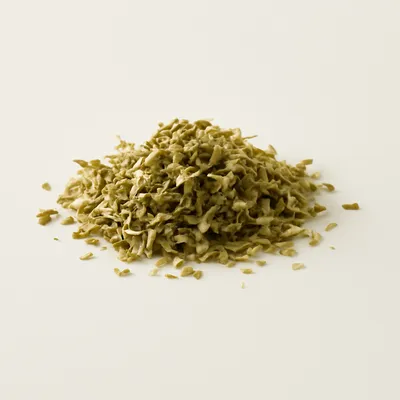
Roast beef is the classic filling; chicken (Beirute de frango) is the common alternative, and cheese-only or tuna versions appear on lanchonete menus. The cheese is usually mozzarella or a melting white cheese; some cooks finish it with oregano. The fried egg is standard in São Paulo but sometimes left out elsewhere.
On the Palate
Where Beirute sits in the Brazilian flavor cloud
Ingredients
Serves 1

How it's made
6 steps · 15 min active + 5 min waiting
- 14 min
Warm the sliced roast beef or chicken on a hot griddle with a little oil.
- 23 min
Lay the cheese over the meat and let it melt, covering briefly so it binds.
Watch outCover briefly so the cheese melts and binds the meat — a quick lid traps the heat; skip it and the cheese sits half-melted and the stack won't hold.
- 33 min
Fry an egg to taste alongside.
- 42 min
Split the round Syrian bread and toast the cut sides lightly.
Watch outToast the cut faces just until lightly crisp — that thin crust keeps the juicy filling from soaking the bread soggy.
- 52 min
Layer the meat and melted cheese onto the bread, top with the fried egg, then tomato and lettuce.
- 61 min
Close, cut into wedges, and serve hot, usually with french fries.
Archive tool suggestions — not reviewed
These legacy suggestions have not been evidence-reviewed and are not presented as required tools.