
The savory side of mungunzá: whole white-corn hominy kernels simmered slow with pork, smoked sausage, and often pork ribs or charque into a thick, soupy stew. This is the salty version (mungunzá salgado) — distinct from the sweet hominy-and-coconut-milk pudding the South knows as canjica, which appears separately here. Hearty and warming, it is a Northeastern winter and São João staple eaten as a full meal.





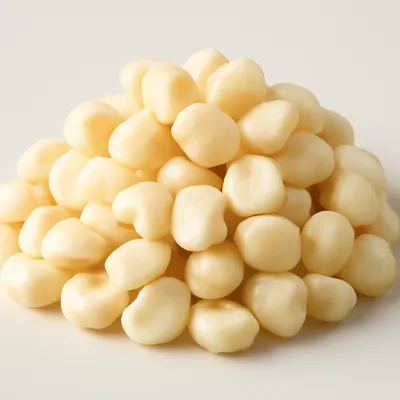
Mungunzá takes its name and its base ingredient from the African and indigenous strands of Northeastern cooking — the word traces to Bantu languages, and hominy made from dried field corn is an old staple across the region. The dish splits in two directions: in the Northeast, mungunzá most often means this savory stew of hominy and pork; further south the same cooked corn, sweetened with milk, coconut, and cinnamon, is called canjica. The savory line is plantation and backlands food — corn and cured pork kept through the dry season, slow-cooked into one filling pot — and remains tied to the June São João festivities that celebrate the corn harvest.
Spoonable and thick, the kernels gone tender but still holding a gentle bite at the core, swimming in a cloudy, starchy broth they have thickened themselves. The pork and sausage lend smoke and salt; pieces of rib or charque fall apart in the liquid. Aromatic with bay, garlic, and coentro, sometimes a little heat from pepper. It eats like a cross between a stew and a porridge — warming, filling, plain in the best country way.
Dried hominy needs time. The kernels are soaked for hours, then simmered long and slow until they swell and turn tender — there is no shortcut, as undercooked corn stays chalky and hard. As the kernels cook, starch leaches into the liquid and thickens the whole pot into its characteristic cloudy, almost creamy body, no flour needed. The cured pork and sausage do double duty: they season the broth with smoke and salt as they cook, while their rendered fat carries flavor through the kernels. Keep it at a low simmer; a hard boil breaks the kernels and clouds the stew into paste.
Variations
Recipes vary by household and state — paio, calabresa sausage, bacon, pig's trotter, or sun-dried charque all turn up; some add a little milk or coconut milk for body without making it sweet. Pernambuco and Paraíba kitchens keep it firmly savory and porky. The same kernels swung the other way, with sugar, milk, coconut, and cinnamon, become the sweet canjica/mungunzá doce — a different dish entirely. Yellow corn is sometimes used in place of white.
On the Palate
Where Mungunzá Salgado sits in the Brazilian flavor cloud
Ingredients
Serves 6
How it's made
7 steps · 40 min active + 1 hour 50 min waiting
- 115 min
Soak the dried white hominy in plenty of cold water for several hours or overnight.
- 25 min
Drain, cover with fresh water, and bring to a simmer.
- 310 min
Add the pork ribs, charque, or cured meat (soaked and rinsed if very salty) along with bay and garlic.
- 475 min
Simmer gently for over an hour, topping up water, until the kernels begin to soften.
Watch outKeep it at a bare simmer, never a hard boil — a rolling boil bursts the kernels and clouds the whole pot into paste.
- 530 min
Add the smoked sausage and continue cooking until the kernels are fully tender and the broth has thickened.
Watch outThe kernels are ready when they're fully soft and the broth has turned cloudy and creamy on its own — chalky centers mean keep cooking.
- 65 min
Season with salt and pepper to taste and stir through chopped coentro.
- 75 min
Let it rest a few minutes to thicken further, then serve hot in deep bowls.
Archive tool suggestions — not reviewed
These legacy suggestions have not been evidence-reviewed and are not presented as required tools.



