
An Amazonian river-fish stew built on tambaqui — a large, fatty, sweet-fleshed fish of the Amazon basin — or sometimes filhote (a young catfish), layered in a pot with tomato, onion, bell peppers, and hard-boiled eggs and simmered into a brothy one-pot meal. It is the river country's answer to the Portuguese seafood caldeirada, adapted to freshwater fish and tropical vegetables. Served with white rice, pirão, and farinha, it is everyday home and riverside cooking across Amazonas and Pará.





The caldeirada is a Portuguese fishermen's stew brought to Brazil during colonization, where coastal and riverine communities adapted it to local catch. In the Amazon, the dish was rebuilt around tambaqui (Colossoma macropomum), one of the region's most prized food fish, prospering in the nutrient-rich floodplain waters. Layered, brothy, and stretched with eggs and vegetables, it became a practical way to turn a single large river fish into a meal for a whole table, and it remains a staple of home and riverside kitchens in Amazonas and Pará.
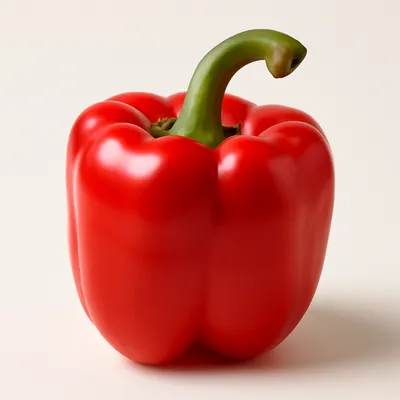
Thick steaks of tambaqui, the flesh white, firm, and sweet with a generous fattiness that keeps it moist, sitting in a light red-gold broth. The tomato and pepper give a gentle sweetness and acidity, the onion melts in, and wedges of hard-boiled egg soak up the liquid. It is brothy rather than thick, fragrant with cilantro and lime. Spooned over rice with farinha stirred in, it is comforting, clean, and unmistakably of the river.
Tambaqui's natural fat content is what makes it suited to a brothy stew — the flesh stays moist and doesn't fall apart the way a leaner fish would, so it can simmer with the vegetables without disintegrating. The stew is built in layers and cooked gently: the fish is added late and barely simmered so it sets just to firm, since hard boiling toughens and breaks the flesh. The vegetables and a little of the fish release enough body that no thickener is needed; pirão, made by stirring farinha into some of the hot broth, is served alongside to thicken at the table.
Variations
In Amazonas, tambaqui is the classic fish, but filhote (young piraíba catfish), pirarucu, or surubim are common substitutes depending on the day's catch. Some cooks add potatoes or okra, or finish with coconut milk for a richer version closer to a moqueca. The accompanying pirão — farinha cooked into the broth — is nearly always served, and chili and lime are offered at the table.
On the Palate
Where Caldeirada de Tambaqui sits in the Brazilian flavor cloud
Ingredients
Serves 6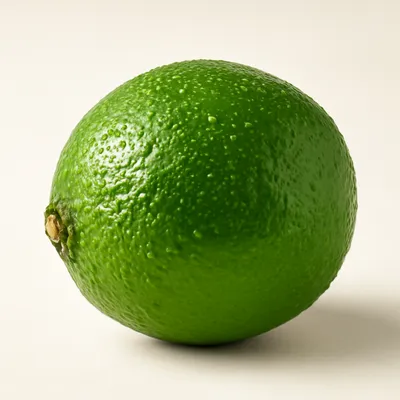
How it's made
6 steps · 45 min
- 110 min
Cut the tambaqui into thick steaks, season with salt, garlic, and lime, and set aside.
- 25 min
Slice onion, tomato, and bell peppers into rounds.
- 38 min
In a wide pot, build a base layer of onion, tomato, and pepper, drizzle with oil, and soften over medium heat.
- 45 min
Lay the fish steaks over the vegetables, add halved hard-boiled eggs, and pour in water or fish stock to nearly cover.
- 518 min
Simmer gently for 15 to 20 minutes until the fish is just cooked and firm, without stirring hard.
Watch outAdd the fish late and barely simmer — tambaqui's fat keeps it moist, but a hard boil toughens and breaks the flesh apart.
- 64 min
Finish with chopped cilantro and lime, and serve with white rice and pirão made from the broth and farinha.
Archive tool suggestions — not reviewed
These legacy suggestions have not been evidence-reviewed and are not presented as required tools.



