
A thick savory porridge made by raining cassava flour into hot, well-seasoned fish broth and stirring until it sets into a smooth, gravy-like paste. It is the standing companion to fish dishes along the Brazilian coast — ladled beside moqueca or grilled fish to soak up every drop of the broth. Pan-coastal in reach but emblematic of Espírito Santo, where it is served with the clay-pot moqueca as a matter of course.
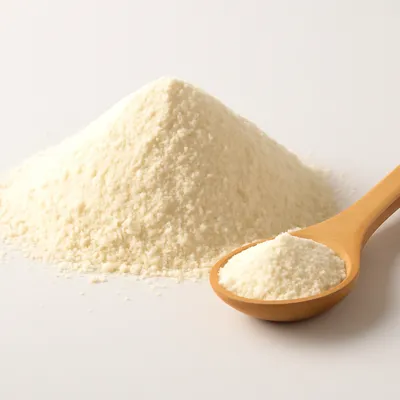


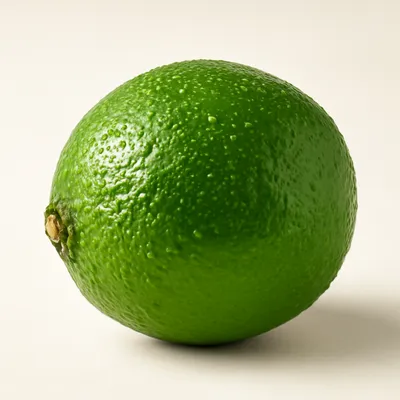

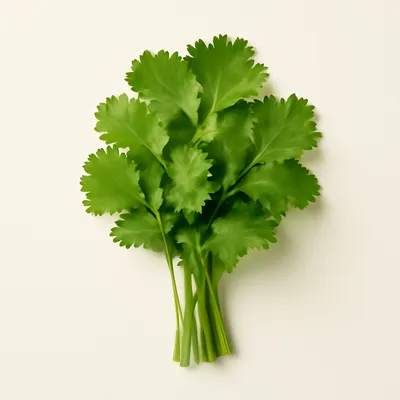
Pirão is among the most directly indigenous foods on the Brazilian table. Native peoples ground cassava into flour and stirred it into water or cooking liquor to make a thick, sustaining mash long before Portuguese contact, and the technique passed straight into colonial and coastal cooking. Made with fish broth it became the natural partner to the fisherman's stew, and it remains strongest in the Northeast and along the Espírito Santo coast, where no plate of moqueca is considered complete without it.
Pale gold and smooth, somewhere between a thick gravy and a soft polenta, holding the shape of the spoon. It tastes intensely of the fish and seasonings it was cooked with — onion, garlic, cilantro, lime, a touch of pepper — with the gentle earthy backbone of cassava. Spooned alongside fish and rice, it stretches the broth and rounds out the plate.
Cassava flour is mostly starch, and stirring it into hot liquid gelatinizes those granules so they swell and bind the broth into a thick, glossy paste. The flour must go in slowly, in a steady rain while stirring constantly, or it seizes into lumps that never smooth out. The richer the broth — ideally simmered from fish heads and trimmings — the deeper the flavor, since the cassava itself is nearly neutral and simply carries whatever it is cooked in.
Variations
Pirão de peixe, made with fish broth, is the coastal default; pirão made from chicken or beef stock accompanies those meats inland. A looser version poured straight to drink is sometimes called pirão escaldado, while a stiffer one is cut with a spoon. Cooks often enrich it with the flaked head meat and trimmings of the fish so nothing is wasted.
On the Palate
Where Pirão sits in the Brazilian flavor cloud
Rain the cassava flour in slowly while whisking hard and non-stop — dump it in and it seizes into lumps that never smooth out.
Ingredients
Serves 6
How it's made
6 steps · 15 min active + 5 min waiting
- 120 min
Simmer fish heads, bones and trimmings with onion, garlic and herbs to make a well-seasoned broth; strain.
Watch outTaste the strained broth — it should already be savoury and well-salted before any flour goes in.
- 23 min
Pick any meat from the simmered fish and reserve it.
- 32 min
Return the strained broth to a low simmer and adjust salt, lime and pepper.
- 43 min
Rain cassava flour into the broth in a thin stream while whisking constantly to avoid lumps.
Watch outFlour falling in a thin unbroken thread, whisk never stopping — that's how you dodge lumps.
- 55 min
Stir 3-5 minutes until the mixture thickens to a smooth, spoonable paste, folding in the reserved fish.
Watch outThick enough to mound on a spoon and glossy — not runny, not pasty-stiff.
- 61 min
Serve hot alongside moqueca, grilled fish and rice.
Archive tool suggestions — not reviewed
These legacy suggestions have not been evidence-reviewed and are not presented as required tools.



