The hot, shared yerba-mate ritual of Rio Grande do Sul: a gourd (cuia) packed with ground mate leaves, infused with hot — never boiling — water, and drunk through a metal filter-straw (bomba). In the gaúcho roda, one person serves and the gourd passes around the circle, each drinker emptying it before it returns to be refilled. Bitter, grassy, faintly smoky and bracing, chimarrão is less a beverage than a social act, carried in a thermos and sipped from morning to night. The state has named it its official drink and a symbol of regional identity.
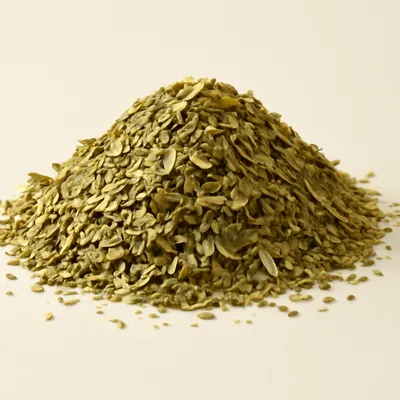

Yerba mate (Ilex paraguariensis) was cultivated and brewed by the Guaraní long before European arrival, and the practice spread across the Río de la Plata grasslands shared by southern Brazil, Uruguay, Paraguay, and Argentina. In Rio Grande do Sul it became inseparable from gaúcho ranch life, the gourd passed in the roda de chimarrão as a daily social rite. The word chimarrão derives from the Spanish cimarrón, 'wild' or 'untamed,' marking the unsweetened, undomesticated version against sweetened or cold preparations. In 2009 the state of Rio Grande do Sul formally declared chimarrão its official drink and part of its cultural heritage, codifying a custom already centuries old.
The gourd is warm in the hand, packed two-thirds full with fine green-and-tan mate. The first sip pulled through the bomba is the most bitter and grassy — vegetal, astringent, like strong green tea steeped long, with a faint smokiness from the leaf's curing. As the same charge is refilled the bitterness eases. It is drunk hot enough to feel it but never scalding, and you keep drinking until the bomba gurgles dry before passing it back. No sugar, no milk; the appeal is the clean, bracing bite and the warmth held between cold-morning hands.
The bomba is a metal straw with a perforated, spoon-shaped end that filters out the fine leaf so only liquid is drawn up; the cuia, a dried and cured calabash gourd, must be seasoned before first use so it doesn't impart raw flavors. The single most important rule is water temperature — around 70 to 80°C, hot but well below boiling. Boiling water scalds the leaf, releasing harsh tannins and a burnt bitterness that ruins the infusion, so the kettle is pulled before it sings. The mate is mounted at an angle in the gourd with a dry well, and water is poured always into the same spot so the charge infuses gradually and lasts many refills.
Variations
Tereré is the cold-water version, drunk with iced water or juice in the hot Centro-Oeste and Paraguay rather than the southern winter ritual. Chimarrão queimado adds sugar burned in the gourd, a sweeter style some prefer. Mate may be served amargo (pure) or, in lighter local styles, with herbs like hortelã (mint) added. The gaúcho roda etiquette is itself the chief variation: who serves, the order of passing, and the rule that saying 'obrigado' means you want no more.
On the Palate
Where Chimarrão sits in the Brazilian flavor cloud
Ingredients
Serves 1How it's made
7 steps · 10 min
- 13 min
Season a new gourd before first use by filling it with damp used mate and letting it sit, then scraping it clean.
- 21 min
Fill the gourd about two-thirds with ground yerba mate.
- 31 min
Cover the mouth, tip and shake gently, then settle the mate at an angle so the fine powder rises and a dry well forms on the low side.
- 43 min
Heat water to about 70 to 80°C — hot but not boiling — in a kettle or thermos.
Watch outWater at 70 to 80 degrees, never boiling — boiling water scalds the leaf bitter and harsh; pull the kettle before it sings.
- 51 min
Pour a little warm water into the dry well first to wet the leaf and let it swell.
Watch outWet only the dry well first with a little warm water and let the leaf swell — this protects the charge so it steeps evenly instead of flooding all at once.
- 61 min
Insert the bomba into the wetted well without stirring, then pour hot water down the same side.
- 73 min
Drink fully through the bomba, then refill the same charge and pass it on in the roda.
Archive tool suggestions — not reviewed
These legacy suggestions have not been evidence-reviewed and are not presented as required tools.