An ancient Native Hawaiian dessert: a dense, fudge-like pudding of grated taro and coconut, sweetened and slow-cooked for hours until it sets into a sliceable, sticky block the color of dark mahogany. Closer in texture to Southeast Asian dodol or Chinese nian gao than to a soft pudding, it is earthy, chewy, and barely sweet — quite distinct from the silky, jelly-set haupia it shares the luau table with. A Kauai staple, sold by the slab at farmers' markets and luaus.
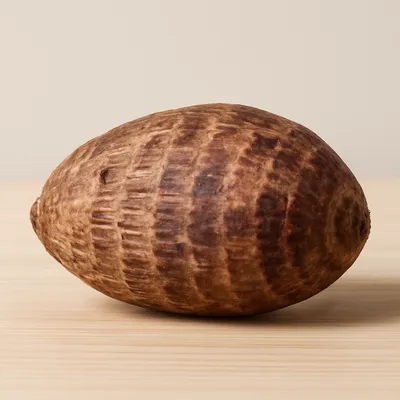
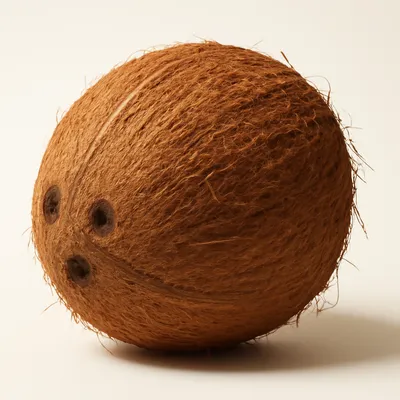


Kulolo is one of the oldest desserts in the Hawaiian repertoire, made long before European ships reached the islands. It uses just two things — taro (kalo) and coconut — and taro in particular carries enormous cultural weight: in the creation story, the first child of the sky father Wakea was stillborn and buried, and from that spot grew the first taro plant, regarded as the elder sibling of humankind, while the next, living child became the ancestor of the Native Hawaiian people. Cooks traditionally wrapped the raw mash with coconut in ti leaves and buried it in an imu, the underground earth oven, where it slow-cooked for the better part of a day and darkened into its signature dense, glossy block. The island of Kauai, where taro grows most abundantly, became especially known for it, and to this day kulolo is sold there by the pound, cut from large pans.
Dense, sticky, and chewy, somewhere between fudge and a steamed sticky cake, with the earthy, almost chestnut-like flavor of taro held together by rich coconut. It is restrained in sweetness, so the kalo really speaks, and it leaves a clean, nutty finish on the tongue. The giveaway is its texture and color: a deep, glossy, caramel-toned taro fudge that cuts in clean slabs, nothing like a wobbly set pudding.
Grated raw taro is mixed with coconut milk and sugar (or, leaning on the taro's own sweetness, little to none), wrapped in ti leaves, and slow-cooked for hours — traditionally buried in the imu for six to eight hours or more, now usually baked in a foil-covered pan or steamed — until it sets into a dense, chewy, caramel-colored fudge. The key is the taro: it is extremely starchy, so the long, moist heat gelatinizes the starch into a thick paste that firms up on cooling, which is why kulolo turns sliceable rather than soft. The deep mahogany color and toffee edge come from that marathon cook — the sugars in the taro and coconut milk caramelize, aided by Maillard browning between sugars and proteins, shifting the color from pale purple to dark brown while the moist heat keeps it from drying out.
Variations
Traditional imu-baked in ti leaves (the original); modern oven-baked in a foil-covered pan (most common today); Instant Pot / pressure-cooker versions; lighter cornstarch- or mochiko-cut versions for a softer set.
On the Palate
Where Kulolo sits in the Hawaiian flavor cloud
Ingredients
Serves 12How it's made
8 steps · 30 min
- 120 min
Peel raw taro and grate it finely; do this wearing gloves, as raw taro irritates skin. You want a wet, starchy pulp.
- 210 min
Grate fresh mature coconut, or use thawed frozen grated coconut, and combine it with the grated taro in a large bowl.
- 35 min
Stir in coconut milk and brown sugar (or raw Hawaiian sugar) until you have a thick, pourable batter with no dry pockets.
- 45 min
Pour the mixture into a parchment-lined or ti-leaf-lined baking pan and smooth the top; cover tightly with foil to trap steam.
- 5110 min
Steam-bake in a 350F oven (or steamer) for about 1.5 to 2 hours, until the center is set, firm, and deep golden-brown.
Watch outThe kulolo is done when the center no longer jiggles as a liquid and a skewer comes out clean; underbaked, the starch never firms and it stays soupy instead of sliceable.
- 615 min
Uncover for the final 15 minutes if you want a slightly drier, more caramelized top surface.
- 7240 min
Cool completely, ideally several hours or overnight, so the starch firms into its dense fudge-like texture.
Watch outCool it completely, ideally overnight — warm kulolo is soft and gummy, and only full cooling firms the starch into that dense sliceable fudge.
- 85 min
Cut into small squares or diamonds and serve at room temperature.