
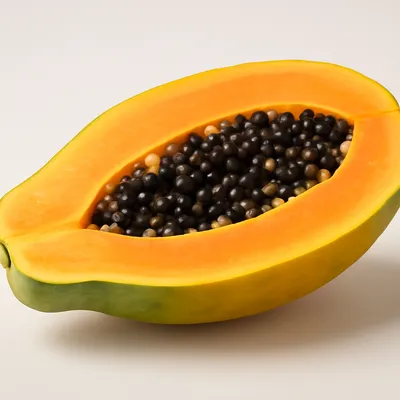
Furrundum is the signature sweet of Cuiabá, capital of Mato Grosso, in Brazil's Centro-Oeste. Coarsely grated unripe green papaya is cooked down slowly with rapadura (unrefined whole-cane sugar) and plenty of fresh ginger until it darkens into a thick, sticky, near-black preserve. It is dense, chewy, and deeply caramelized, with a sharp ginger heat cutting the molasses sweetness. Sold by the jar at fairs and roadside stalls across Mato Grosso, it is eaten by the spoonful or with cheese, and is one of the regional doces caseiros (homemade preserves) most identified with cuiabano cooking.


Furrundum belongs to the cooking of Cuiabá and Mato Grosso, where unrefined rapadura and ginger were staple pantry items and green papaya was abundant in backyards. It descends from the Luso-Brazilian tradition of doces de tacho — fruit and sugar reduced for hours in a wide copper or iron pot (tacho) over a wood fire to make a keeping sweet, a method colonial Portuguese cooks brought to Brazil. The exact origin of the cuiabano version is undocumented and not reliably dated; what is established is that it became a fixed marker of the region's caipira sweets, sold at the city's traditional fairs and folk festivals alongside other Cuiabá doces. The name itself is regional cuiabano vocabulary.
Spooned from the jar, it comes up as a glistening dark-brown to near-black mass, threaded with soft strands of grated papaya that hold a slight bite. The first taste is rapadura — toffee-deep, almost molasses — then the ginger arrives warm and peppery at the back of the throat. Sticky and chewy, it clings to the spoon and the teeth. A little goes far; cuiabanos often pair a spoonful with a slab of fresh white queijo to set the sweetness against something salty and mild.
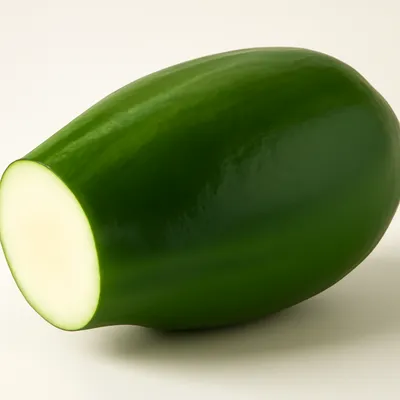
Green (unripe) papaya is essential: it is firm and low in sugar, so the grated strands hold their shape through long cooking instead of collapsing into mush, and its near-neutral flesh acts as a carrier for the rapadura and ginger. Rapadura is whole evaporated cane juice — it still carries molasses, minerals, and the precursors that, over a long low reduction, drive caramelization and browning, producing the dark color and toffee depth that refined white sugar would never give. The cook is patient evaporation in a wide pot: water boils off, the sugars concentrate past saturation, and the mass thickens to a chewy, low-water preserve whose high sugar content is what lets it keep at room temperature. Stirring is constant near the end, because once thick it scorches on the pan bottom in seconds.
Variations
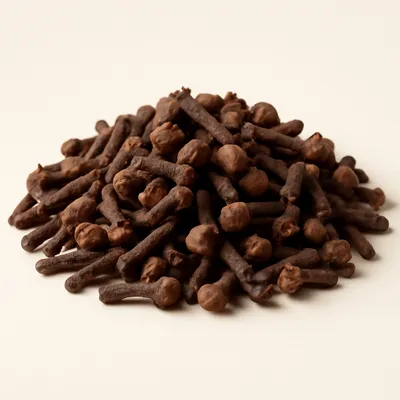
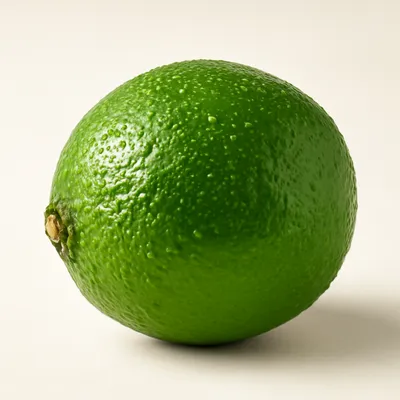
The classic cuiabano version is green papaya, rapadura, and ginger only. Some cooks add a few cloves or a strip of cinnamon, or a squeeze of lime to brighten it. The proportion of ginger varies by household and by how much heat the maker wants. A looser, less-reduced batch is eaten as a spoon sweet; a firmer, longer-cooked one is cut and served in pieces, often with cheese. Related green-papaya preserves (doce de mamão verde) are made elsewhere in Brazil, but the rapadura-and-ginger combination is what marks the Mato Grosso furrundum.
On the Palate
Where Furrundum sits in the Brazilian flavor cloud
Ingredients
Serves 8How it's made
7 steps · 30 min
- 115 min
Peel a firm unripe green papaya, halve it, and scrape out the seeds. Coarsely grate the flesh on the large holes of a box grater.
Watch outUse firm green unripe papaya — ripe fruit is too sweet and soft and collapses to mush instead of holding as strands.
- 25 min
Peel a generous knob of fresh ginger and grate or finely chop it.
- 35 min
Combine the grated papaya, ginger, and broken rapadura in a wide heavy pot. Add a splash of water to help the rapadura start dissolving.
- 410 min
Cook over medium-low heat, stirring often, until the rapadura melts and the mixture comes to a steady, lazy bubble.
- 560 min
Continue cooking, stirring more and more frequently, as the water evaporates and the mass darkens and thickens — about an hour and a half.
- 615 min
When the preserve pulls away from the pan bottom in a sticky sheet and a spoonful holds its shape, it is done. Stir constantly at this stage to prevent scorching.
Watch outIt's done when a spoonful holds its shape and the mass pulls off the pan bottom in a sticky sheet — stir nonstop now or it scorches.
- 710 min
Spoon the hot furrundum into clean jars and let it cool. It thickens further as it cools and keeps for weeks.
Archive tool suggestions — not reviewed
These legacy suggestions have not been evidence-reviewed and are not presented as required tools.



