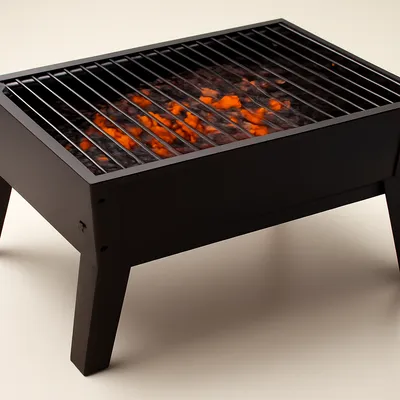
The signature grilled fish of Manaus: meaty tambaqui — a large fruit-eating fish of the Amazon basin — split open or cut into thick fatty ribs and roasted slowly over hardwood coals until the skin chars and the flesh stays moist. It is served the Amazonas way with farinha d'água, a cilantro vinaigrette, fried plantain, and baião de dois. Where moqueca is the coast's stewed fish, this is the river's grilled one — smoke and fire, not coconut and clay pot.
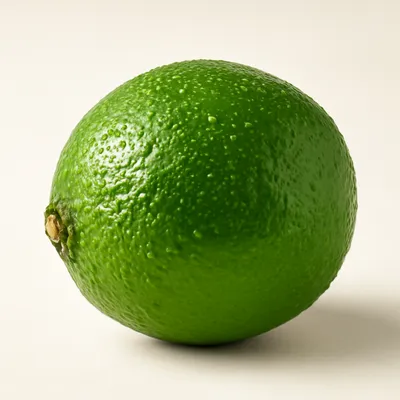

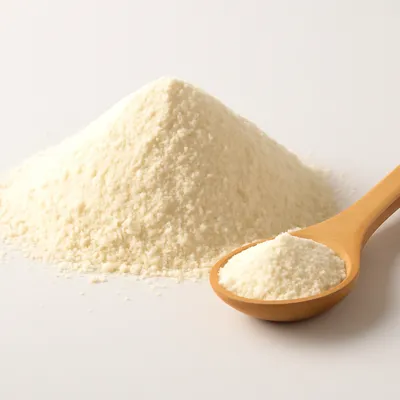


Tambaqui (Colossoma macropomum) is one of the most prized food fish of the central Amazon, fattened in the flooded forest on fallen fruit and seeds, and grilling it over coals is the everyday Sunday-lunch tradition of Manaus and the riverside towns of Amazonas. The whole-fish form butterflied along the spine is called tambaqui de banda; the rib section — costela de tambaqui — is so fatty and well-marbled that cooks began serving it as a dish in its own right. The method is indigenous and riverine in root: fish set over a wood fire, dressed with cassava flour and lime, long predating the refrigeration that now lets the city eat it year-round.
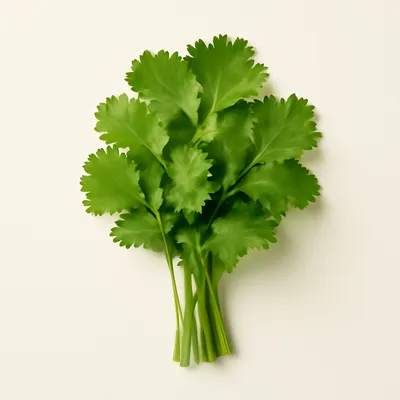
A whole split fish or a rack of ribs the length of a forearm, the skin blistered and charred from the coals, the cream-colored flesh underneath still juicy and faintly sweet from the fruit-fed fat. You pull it apart by hand at the table, scatter coarse farinha d'água over each piece so it crackles, spoon on the sharp cilantro-and-pepper vinaigrette, and chase it with fried plantain. The rib cut is the one people fight over — the most fat, the most smoke.
Tambaqui carries a thick layer of intramuscular fat from its fruit-and-seed diet, which is what lets it grill over direct coal heat without drying out — the fat bastes the flesh from inside as the skin chars. Slow heat off to the side of the fire, not searing flames, gives the smoke time to penetrate while the interior comes up gently; rushed high heat blackens the skin before the thick flesh near the spine is done. The coarse farinha d'água added at the table absorbs the rendered fat and adds crunch, and the lime-sharp vinaigrette cuts the richness the same way orange does for feijoada.
Variations
Tambaqui de banda (whole fish butterflied flat over the coals); costela de tambaqui (the fatty ribs served as their own dish); some Manaus cooks finish with a brush of butter and garlic, while purists keep it to salt, lime, and smoke; freshwater pirarucu or filhote stand in when tambaqui is out of season.
On the Palate
Where Tambaqui na Brasa sits in the Brazilian flavor cloud
Ingredients
Serves 4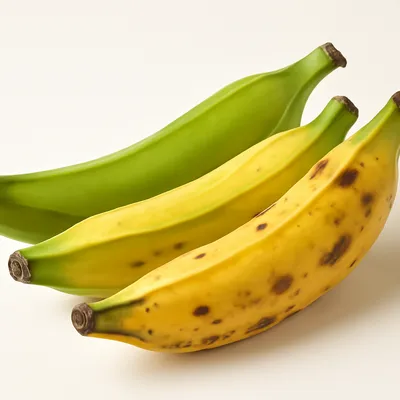

How it's made
8 steps · 45 min active + 45 min waiting
- 115 min
Scale and gut the tambaqui; either butterfly it flat along the spine or cut it into thick ribs through the belly.
- 230 min
Season generously with coarse salt and lime juice and let it sit 30 minutes.
- 320 min
Build a hardwood charcoal fire and let it burn down to steady, ash-grey coals; rake them to one side for indirect heat.
- 420 min
Lay the fish skin-side down over the cooler edge of the coals and grill slowly, basting with the rendered fat.
Watch outGrill skin-side down over the cooler edge of the coals, basting with the rendered fat — slow indirect heat lets smoke sink in and the interior come up gently; rushed flames blacken the skin before the flesh by the spine is done.
- 510 min
Turn once, raising the heat briefly to char and crisp the skin without drying the flesh.
Watch outTurn once and raise the heat only briefly to char and crisp the skin — a short blast crisps it; linger and you dry out the thick flesh.
- 610 min
Meanwhile make the vinaigrette: dice tomato, onion, and cilantro, dress with lime, oil, salt, and chopped pepper.
- 710 min
Fry the plantain in oil until golden, and warm the baião de dois.
- 85 min
Serve the fish whole on a board, showered with farinha d'água, vinaigrette and plantain alongside.
Archive tool suggestions — not reviewed
These legacy suggestions have not been evidence-reviewed and are not presented as required tools.