The mild, lean-but-tender tip of the bottom sirloin — the cut Americans call tri-tip — roasted whole or grilled in thick strips over charcoal, a quieter churrascaria staple than picanha but prized for fine grain and easy tenderness.



Maminha is the triangular tip of the alcatra (bottom sirloin) — the same muscle, the tensor fasciae latae, that Americans call tri-tip and the French aiguillette baronne. Butchers disagree on its exact bounds: some reserve 'maminha' for the lean front tip alone, others stretch the name across the lower alcatra. Like picanha, it owes its fame not to any ancient recipe but to the 20th-century churrascaria and rodízio trade of São Paulo and Rio, which prized a fast-cooking, naturally tender cut that carved cleanly off the spit. Gaucho ranch cooking on the pampas of Rio Grande do Sul originally leaned on bigger ribs and flank; the lean tip cuts earned their place once restaurants needed variety beyond the fat-capped showpieces.
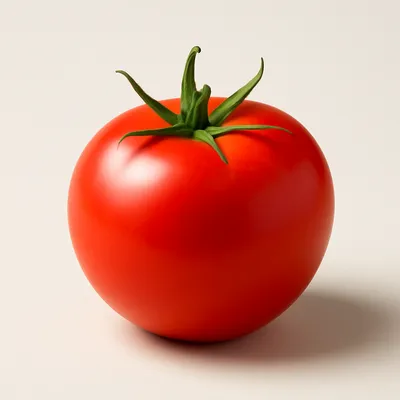
Leaner and milder than picanha, with no fat cap to baste it — the appeal is the meat itself: a very fine, soft grain that slices like butter when it's pink in the middle. The charcoal builds a dark, salt-crusted edge; a centimeter in it stays rosy and juicy. Served fanned in thin slices cut against the grain, with farofa, vinagrete (the tomato-onion relish), and garlic bread to carry the juices.
Tenderness comes from a single muscle with little connective tissue and an unusually fine grain — but the same leanness is the trap. With no fat cap or marbling to forgive it, the window between medium-rare and dry is only a few degrees; pull it at 54–57°C (130–135°F) and rest it, or it turns gray and tight. Coarse salt goes on minutes before the fire, never long before — early salting draws water out of a cut that has little to spare. The grain shifts direction across the triangle, so the carver must turn the knife to keep every slice cut across the fibers; slicing with the grain leaves it chewy no matter how well it was cooked.
Variations
Whole-roasted over coals and sliced at the table is the churrasco purist's way; the rodízio carves it in thin strips straight off the spit. Maminha recheada stuffs the butterflied piece with ricotta and sun-dried tomato, or bacon, rolls and ties it. Off the grill, maminha na cerveja braises it slow in the oven with beer (often dark) and bay until fork-tender, the pan liquid reduced to a gravy.
On the Palate
Where Maminha sits in the Brazilian flavor cloud
Ingredients
Serves 6How it's made
7 steps · 20 min
- 110 min
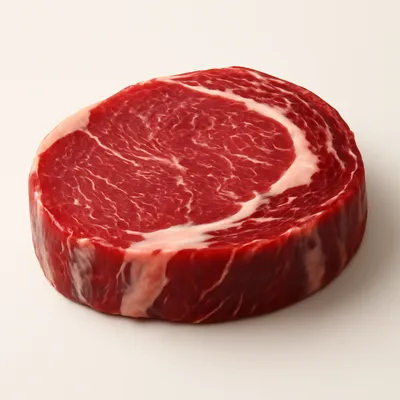
Pat the maminha dry and trim any silver skin. For grilling, cut into steaks at least two fingers thick, always across the grain; for a whole roast, leave the piece intact.
- 22 min
Salt generously with coarse rock salt only a few minutes before cooking. Optionally rub with crushed garlic.
Watch outSalt only minutes before the fire, never early — this lean cut has little water to spare and early salt draws it out and dries the meat.
- 35 min
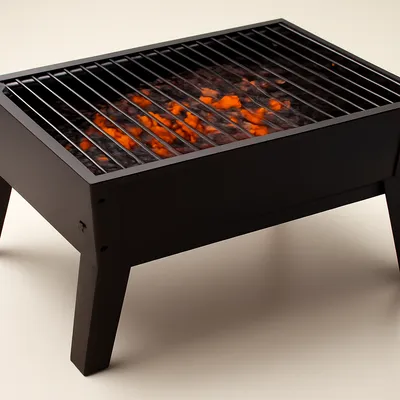
Set the grill 25–30 cm above hot charcoal. Sear each side hard to build a crust, then move to cooler heat.
- 420 min
Cook to medium-rare, pulling the meat at 54–57°C internal — for a whole piece, turn every few minutes; lean cuts overcook fast.
Watch outPull it at 54–57 degrees and rest — the window from medium-rare to dry is only a few degrees on a cut with no fat to forgive it.
- 58 min
Rest the meat off the heat for 5–10 minutes so the juices redistribute.
- 63 min
Slice thin against the grain, turning the knife as the grain direction changes across the triangle.
Watch outTurn the knife to keep every slice across the grain — the grain shifts across the triangle, and slicing with it leaves the meat chewy.
- 72 min
Serve fanned out with farofa, vinagrete, and garlic bread.
Archive tool suggestions — not reviewed
These legacy suggestions have not been evidence-reviewed and are not presented as required tools.