The Central Coast cut at the heart of Santa Maria-style barbecue: a triangular bottom-sirloin tri-tip rubbed simply with salt, pepper, and garlic and grilled over coals of local red oak. It is cooked to medium-rare, rested, then sliced thin across the grain. The plate is traditionally served with pinquito beans, fresh salsa, green salad, and grilled French bread brushed with butter.
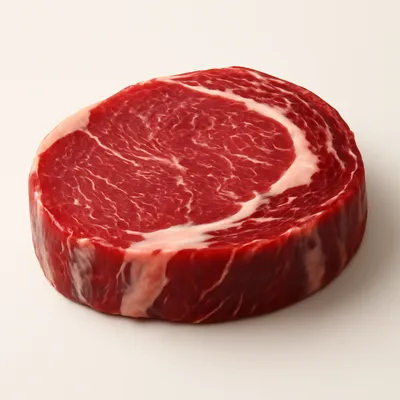




Santa Maria-style barbecue traces to the mid-1800s in the Santa Maria Valley of Santa Barbara County, where Californio ranchers held spring feasts for their vaqueros, grilling large cuts of beef over pits of native coast live oak. For most of that history the cut was top sirloin. The tri-tip — a small triangular bottom-sirloin muscle once ground into burger or sold as a roast — was popularized in the 1950s by Bob Schutz, a butcher at the Santa Maria Market, who seasoned and grilled it whole. It quickly became the signature cut of the style.
A medium-rare slice is deep red at the center and ringed by a dark, peppery, garlic-crusted edge. The bottom sirloin is leaner and more open-grained than a steak from the loin, so it reads beefy and slightly chewy rather than buttery — the thin cross-grain slice is what keeps it tender. The red-oak smoke is light and clean, not heavy; salt and garlic carry the seasoning, and there is no sweet sauce. Pinquito beans and bright salsa balance the plate.
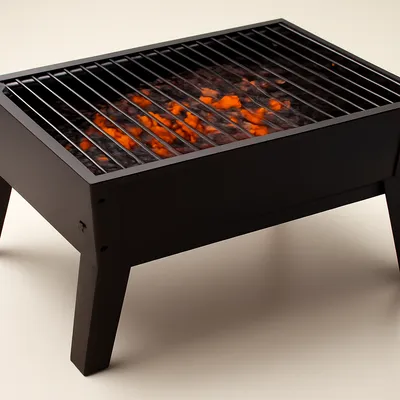
Red oak burns hot and clean, giving a steady high heat that sears the surface fast — the dark crust is Maillard browning of the salt-and-pepper rub plus rendered surface fat, layered with a light wood smoke. The traditional iron grill rides on a hand crank so the cook can raise or lower the grate over the coals to control the sear. The tri-tip is a single muscle whose grain changes direction across the triangle, so it is cut into two sections and each is sliced thin against its own grain; pulling it at about 130°F (54°C) internal and resting it keeps the lean meat juicy rather than dry.
Variations
Strict traditionalists keep the rub to salt, pepper, and garlic salt over red oak and serve the trio of pinquito beans, salsa, and buttered grilled bread. Commercial 'Santa Maria seasoning' blends add paprika, onion, and herbs. Outside the valley, tri-tip is often grilled over other woods or roasted in an oven, and it turns up sliced thin in tacos, sandwiches, and on salads. The same simple-rub, oak-grilled approach is applied locally to top sirloin, chicken, and linguiça sausage.
On the Palate
Where Santa Maria Tri-Tip sits in the American flavor cloud
Ingredients
Serves 6

How it's made
6 steps · 20 min
- 110 min
Trim the tri-tip of excess surface fat and silverskin, leaving a thin fat layer; pat dry.
- 210 min
Rub all over with coarse salt, black pepper, and granulated garlic, and let it sit at room temperature while the fire is built.
- 320 min
Build a bed of red oak (or oak) coals and set the grate so the surface gets a strong, steady heat.
- 412 min
Sear the tri-tip over the coals, turning to brown all sides, raising the grate if flare-ups char it too fast.
Watch outListen for a steady sear, not a roar — if flare-ups from dripping fat char it too fast, lift the grate so the crust builds without burning.
- 520 min
Continue grilling, turning occasionally, until the center reaches about 130°F (54°C) for medium-rare; rest 10–15 minutes.
Watch outPull it at 54C internal — tri-tip is lean and shoots past to dry in a few degrees, and it keeps rising while it rests.
- 615 min
Find the grain on each half of the triangle and slice thin against it; serve with pinquito beans, salsa, and grilled bread.
Watch outThe grain switches direction across the triangle — read each half separately and slice thin across it, or it eats tough.
Archive tool suggestions — not reviewed
These legacy suggestions have not been evidence-reviewed and are not presented as required tools.