
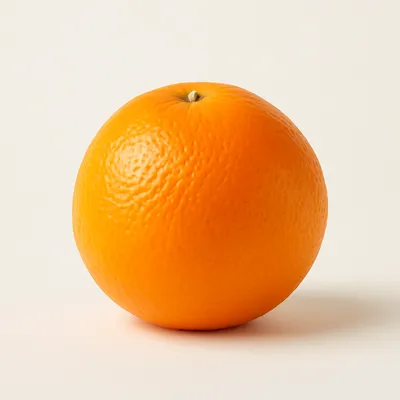
The Whiskey Sour is the defining member of the sour family: bourbon, fresh lemon juice, and sugar shaken with ice and served either over rocks or up, sometimes with a silky cap of foam from a little egg white. Tart, smooth, and balanced, it is one of the oldest and simplest classic cocktails, the template against which other sours are measured. A brandied cherry and an orange slice are the traditional garnish.



The sour as a category — spirit, citrus, and sugar — grew out of the British naval practice of issuing sailors rations of spirit, citrus, and sugar to make the liquor palatable and to ward off scurvy on long voyages. The whiskey sour appears in print by the 1860s, with a recipe published in Jerry Thomas's landmark 1862 Bartender's Guide, the first cocktail book, placing it among the earliest documented American cocktails. A widely cited claim names a Peruvian bartender, Elliott Stubb, as inventor in 1872, but this is unverified and contradicted by the earlier printed recipes, so the drink is best treated as a classic of the early American bar rather than a single person's creation. The egg-white 'Boston sour' variant is a later refinement.
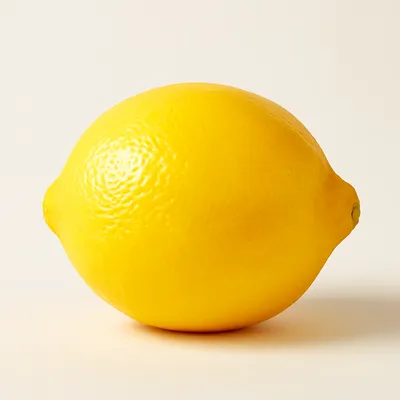
Tart and bright, the sour snap of fresh lemon set against the warm, slightly sweet bourbon and just enough sugar to balance them. It is clean and brisk rather than harsh, the citrus and spirit in even tension. With egg white it gains a soft, silky foam cap and a rounder, almost creamy texture without changing the flavor much. The finish is dry, warm, and lemony, with the whiskey lingering underneath.
The whiskey sour is governed by the sour ratio — spirit balanced against citrus and sugar — and by hard shaking. Shaking with ice does three jobs at once: it chills the drink, dilutes it to drinking strength, and aerates the cloudy lemon juice into a lively, slightly frothy body that stirring cannot achieve. When egg white is added, shaking denatures and unfolds its proteins so they trap air into a fine, stable foam; a preliminary 'dry shake' without ice whips the foam most effectively before a second shake with ice chills and dilutes. The acid of the lemon (around five to six percent citric acid) provides the brightness, the sugar tempers it, and the whiskey carries the whole on a warm, oaky base.
Variations
Over rocks or served up are both standard; the egg-white version is the silkier 'Boston sour.' A New York sour floats a layer of red wine on top for color and a fruity, tannic edge. Swapping the base spirit gives a whole family — a Sour with brandy, an Amaretto Sour, a Pisco Sour (with egg white and bitters), a Margarita as a tequila sour. Maple or demerara syrup deepens it, and some bars use bourbon while others prefer the spicier rye.
On the Palate
Where Whiskey Sour sits in the American flavor cloud
Ingredients
Serves 1How it's made
6 steps · 5 min
- 11 min
Add the bourbon, fresh lemon juice, simple syrup, and egg white (if using) to a shaker without ice.
- 21 min
Dry-shake hard for about 15 seconds to build a foam from the egg white.
Watch outDry-shake hard with no ice first — this whips the egg white into a stable foam before ice would chill and weaken the proteins.
- 31 min
Add ice to the shaker and shake again for another 15 seconds until well chilled.
Watch outThen add ice and shake again until the shaker frosts and turns painfully cold — that second shake chills and dilutes to drinking strength.
- 41 min
Strain into a rocks glass over fresh ice, or into a chilled coupe to serve up.
- 51 min
Let the foam settle into a smooth cap on top.
- 61 min
Garnish with an orange slice and a brandied cherry and serve.
Archive tool suggestions — not reviewed
These legacy suggestions have not been evidence-reviewed and are not presented as required tools.


