
Indigenous peoples of New England, including the Wampanoag, cultivated winter squash long before European contact; the 1621 Plymouth harvest feast that anchors Thanksgiving mythology likely included roasted squash, not pie. The custard-tart form arrived with English colonists and was codified in Amelia Simmons' American Cookery (1796), the first cookbook published in the United States. Libby's solid-pack pumpkin (using Dickinson squash, technically a variety of Cucurbita moschata, not the orange jack-o'-lantern type) became the dominant filling brand after 1929.
Codified in Amelia Simmons' American Cookery (1796), the first cookbook published in the United States. Libby's solid-pack uses Dickinson squash (Cucurbita moschata), not the orange jack-o'-lantern type. Pull at 80°C internal — yolks set at 65°C, whites at 80°C, and a soft set firms further on cooling.
A burnt-orange wedge, custard surface set to a matte sheen with maybe a few hairline rings from the bake. Cut clean, then yields under the fork. The texture is between flan and pumpkin curd — silky, not airy. Spice arrives in waves: cinnamon up front, ginger middle, clove at the back of the throat. Cold from the fridge with a cloud of barely-sweet whipped cream is the canonical serve. A bad pumpkin pie is grainy (overbaked, eggs scrambled) or watery (under-baked center).
The pie is set by egg-protein coagulation: yolks denature around 65°C, egg whites around 80°C — pulling at 80°C internal gives a soft set that firms on cooling. The two-temperature bake (high to set the crust edge, then low for a custard that doesn't crack) is doing the same job as the bain-marie in a flan. Evaporated milk's slight Maillard pre-cook gives the custard its characteristic caramel undertone — substituting fresh cream gives a less complex, milkier pie.
Variations
Libby's-back-of-the-can canonical version; Southern sweet-potato-pie cousin (often confused, never the same); Quebec sugar-pumpkin tarte with maple syrup replacing molasses.
On the Palate
Where Pumpkin Pie sits in the American flavor cloud
Ingredients
Serves 8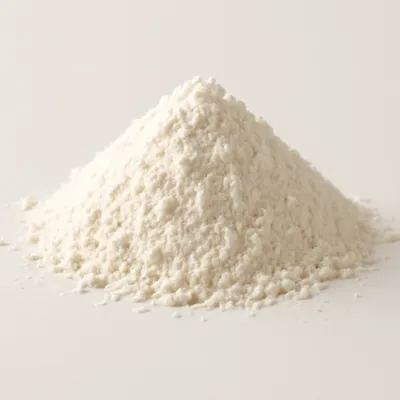



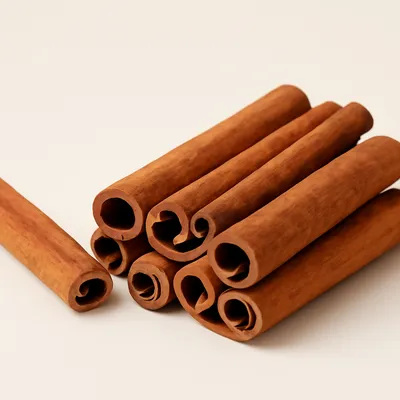

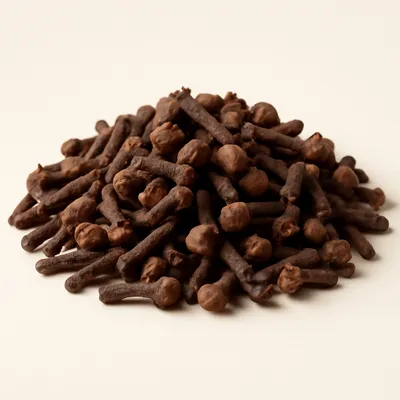


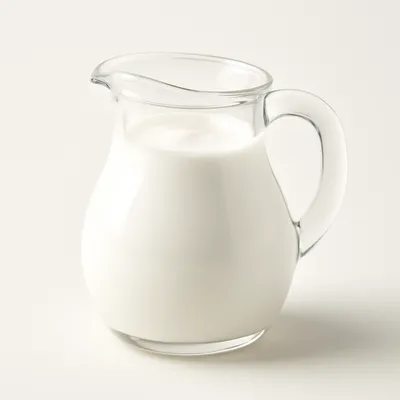


How it's made
7 steps · 45 min active + 2 hours 15 min waiting
- 110 min
Crust: Pulse 200g all-purpose flour, 1 tbsp sugar, 1/2 tsp salt with 140g cold cubed unsalted butter until pea-sized. Add 60-75ml ice water, pulse just to clumping. Form a disc, wrap, chill 1 hour.
Watch outIf butter starts to smear or the dough feels tacky, stop and chill 20 minutes — a warm dough bakes tough.
- 28 min
Roll dough to 3mm on a floured surface. Drape into a 23cm pie plate, trim to 2cm overhang, fold under, crimp the edge. Prick the base with a fork. Freeze 30 minutes.
- 322 min
Preheat oven to 425°F (220°C). Line the chilled crust with parchment, fill with pie weights or dried beans. Blind-bake 15 minutes; remove weights, bake 5 more until pale gold and dry on the base.
Watch outA wet base will stay raw under the custard — the pre-bake is what prevents the dreaded soggy bottom.
- 44 min
Filling: Whisk 425g (one 15-oz can) pumpkin purée — Libby's solid-pack is the American standard, NOT pie-mix — with 150g packed dark brown sugar, 1 tsp ground cinnamon, 1/2 tsp ground ginger, 1/4 tsp ground clove, 1/2 tsp nutmeg, 1/2 tsp salt.
- 54 min
Whisk in 3 large eggs, then 355ml (one 12-oz can) evaporated milk and 1 tsp vanilla. Strain through a fine sieve for a glassy custard.
- 650 min
Lower oven to 350°F (175°C). Pour filling into the warm crust. Bake 45-55 minutes — edges set, center jiggles like a soft set custard (about 175°F / 80°C internal).
Watch outIf a crack forms, the pie was overbaked — pull while the center still wobbles. It firms as it cools.
- 760 min
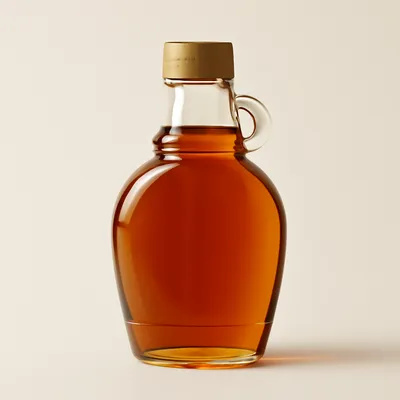
Cool on a rack at least 2 hours, then chill 1 hour. Serve cold or room-temperature with whipped cream sweetened with maple syrup.
Watch outCutting warm gives a runny slice — patience matters more than recipe accuracy here.
Archive tool suggestions — not reviewed
These legacy suggestions have not been evidence-reviewed and are not presented as required tools.

Round, shallow ceramic or glass dish 22-25 cm wide with sloping sides, designed for double-crust pies (tourtière, pot pie, apple pie). The sloping wall lets the crust crimp neatly at the edge; the shallow depth (4-5 cm) means filling cooks evenly and the bottom crust crisps. Glass versions let you check bottom browning visually; ceramic conducts heat more gently for tender crusts.

Hand-held wire loop tool for beating eggs, whipping cream, emulsifying dressings, and incorporating air into batters. Balloon whisks (large round head) for whipping cream and meringues; French whisks (narrow tear-drop) for sauces in pots; flat whisks (gravy) for pan sauces. Stainless steel is universal; silicone-coated for non-stick pans.


