Cubes of smoked beef brisket point, the bark-edged trim, re-smoked and tossed in thick KC tomato-molasses sauce — the prized cut that started as a butcher's giveaway.




Burnt ends began as the trim — chefs at Arthur Bryant's in Kansas City handed out the charred brisket-point edges to customers waiting in line. Calvin Trillin's 1972 Playboy essay calling Bryant's the best restaurant in the world made the giveaway famous, and within a decade burnt ends moved from free snack to menu item to the priciest cut on the board. KC sauce's tomato-molasses sweetness reflects the city's 19th-century role as a railhead for both Texas cattle and Caribbean sugar trade.
Started as trim — Arthur Bryant's in Kansas City handed out brisket-point edges to people waiting in line. Calvin Trillin's 1972 Playboy essay calling Bryant's the best restaurant in the world made the giveaway famous; within a decade burnt ends moved from free snack to priciest item on the board.
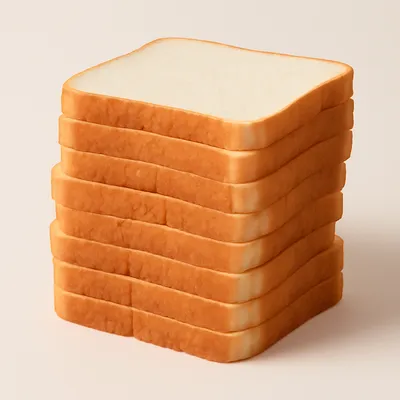
A 2.5 cm cube the color of dark walnut, four edges candied to a chew, the inside still wet with rendered fat and beef juice. The bite is sweet-smoky-meaty in that order — molasses, oak smoke, beef. Texture is the trick: corners crackle, middle melts. Eaten with fingers off butcher paper, alternating with a slice of white bread to soak the sauce. Benchmark: Joe's Kansas City Bar-B-Que (formerly Oklahoma Joe's) at the gas station on Mission Road.
Two-stage cooking is the load-bearing detail. First smoke renders fat and builds bark to 203°F internal — collagen melts to gelatin. Cubing exposes six new surfaces of bark per chunk, and the second smoke with sauce caramelizes molasses and reduced beef juices into a candy-like glaze. Sauce added too early (before 203°F) burns and tastes scorched; sauce added without re-smoking just sits on the meat as a wet coat, never crystallizing.
Variations
Arthur Bryant's (the original giveaway); Joe's Kansas City Bar-B-Que (formerly Oklahoma Joe's, in a working gas station on Mission Road); LC's Bar-B-Q on Blue Parkway for the older neighborhood version.
On the Palate
Where Kansas City Burnt Ends sits in the American flavor cloud
Ingredients
Serves 6

How it's made
5 steps · 1 hour active + 11 hours waiting
- 120 min
Trim a 2.5kg (5.5 lb) beef brisket point — the fattier deckle separated from the flat. Leave a 6mm fat cap. Coat heavily with a rub of equal parts kosher salt and 16-mesh black pepper, plus 1 tbsp garlic powder. Refrigerate uncovered overnight.
Watch outThe point, not the flat. KC burnt ends are the marbled half — the leaner flat goes to sliced brisket.
- 2360 min
Smoker to 250°F (121°C) with oak and a touch of hickory. Place point fat-side up. Smoke until the bark is set and internal temp hits 165°F (74°C) — about 6 hours.
- 3240 min
Wrap in butcher paper or foil with a splash of beef tallow. Return to smoker until probe slides in like warm butter — internal temp 203°F (95°C), about 3 more hours. Rest 1 hour wrapped.
Watch outProbe-feel, not the thermometer reading — collagen breakdown is what you're after.
- 415 min
Cube the point into 1-inch (2.5 cm) chunks. Toss in a foil pan with 250ml KC-style sauce (tomato paste, molasses, brown sugar, apple cider vinegar, Worcestershire, smoked paprika, garlic, onion, cayenne) and 2 tbsp brown sugar.
- 575 min
Return uncovered to the smoker at 275°F (135°C) for 60-90 minutes — the sauce reduces and caramelizes, the cube edges crisp into candied corners. Stir at 30 minutes. Serve hot, with white bread, pickles, and onions.
Watch outWhen the sauce stops bubbling on the edges and starts looking like jam, pull them.
Archive tool suggestions — not reviewed
These legacy suggestions have not been evidence-reviewed and are not presented as required tools.