
American hot chocolate is the sweet, milky cup of winter: cocoa or melted chocolate whisked into hot milk and sugar, crowned with miniature marshmallows or a cap of whipped cream. It is thinner and sweeter than European drinking chocolate, made as often from a packet of cocoa mix as from scratch, and is bound up with snow days, sledding, and the holidays. The marshmallow topping is the distinctly American flourish.
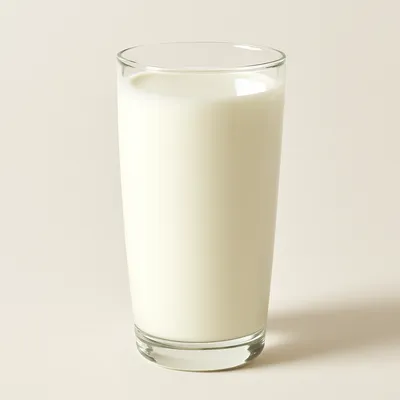
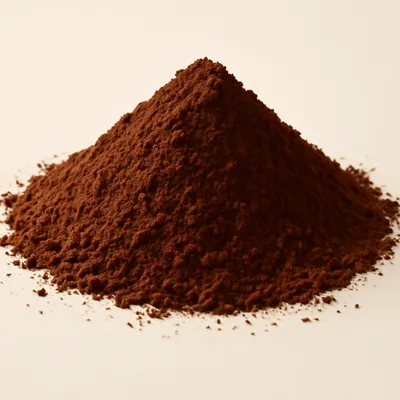

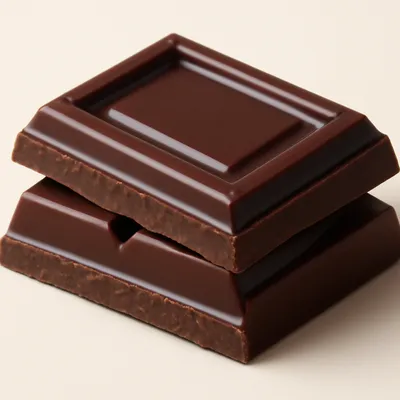


Drinking chocolate came to Europe from Mesoamerica, where the Maya and Aztec drank cacao as a bitter, spiced, often unsweetened beverage; the Spanish sweetened it with sugar in the sixteenth century. In British North America the drink was common enough that a chocolate mill operated in colonial Massachusetts by the 1760s, the ancestor of the Baker's Chocolate company. The crucial shift to the modern powdered drink came in 1828, when the Dutch chemist Coenraad van Houten patented a press that removed much of the cocoa butter, yielding a cocoa powder that dissolved far more easily — the basis of the cocoa-mix cup. The marshmallow garnish is a twentieth-century American addition, popularized as packaged miniature marshmallows became widely available.
Warm, sweet, and softly thick, coating the mouth with cocoa and milk. From scratch it carries a real, slightly bitter chocolate depth under the sweetness; from a mix it is lighter and candy-sweet. Marshmallows melt into a sticky, vanilla-sweet skin on top, and whipped cream slides into the surface as it goes. The best cups finish with a faint salt and a clinging warmth in the chest.
Cocoa powder does not simply dissolve — its starch granules swell and its fine particles disperse, while a pinch of sugar and a brief simmer help suspend them so the drink does not turn grainy or settle. Dutch-processed cocoa, treated with alkali, blends more smoothly and tastes mellower; natural cocoa is more acidic and sharper. Making it from chopped chocolate rather than powder folds in cocoa butter, which carries fat-soluble aroma and gives a richer, glossier body, but that fat can separate, so steady whisking keeps it emulsified into the milk. A small pinch of salt suppresses bitterness and sharpens the perception of sweetness and chocolate alike.
Variations
European-style drinking chocolate is thicker, darker, and barely sweet, sometimes thickened with cornstarch. Mexican hot chocolate adds cinnamon and is whisked frothy with a molinillo; peppermint hot chocolate is a winter-holiday staple; 'Mexican' or chili versions add a pinch of cayenne. Frozen hot chocolate is a blended, slushy dessert version. The everyday American cup is most often the instant kind — cocoa, sugar, milk solids, and dried marshmallow bits in a packet, stirred into hot water or milk.
On the Palate
Where Hot Chocolate sits in the American flavor cloud
Ingredients
Serves 2How it's made
6 steps · 10 min
- 13 min
In a small saucepan, whisk together the cocoa powder, sugar, and a pinch of salt with a splash of the milk to form a smooth paste.
Watch outWhisk the cocoa with a splash of milk into a smooth paste first — add it all to hot milk at once and the powder clumps and never fully dissolves.
- 21 min
Whisk in the remaining milk and set over medium heat.
- 33 min
Heat gently, whisking, until steaming and the cocoa is fully dispersed, but do not let it boil.
Watch outHeat gently and keep whisking, but don't let it boil — a boil scalds the milk and can turn the drink grainy.
- 42 min
Add the chopped chocolate and whisk until melted and the drink is glossy and slightly thickened.
- 51 min
Stir in the vanilla and taste for sweetness.
- 61 min
Pour into mugs and top with miniature marshmallows or whipped cream; serve hot.
Archive tool suggestions — not reviewed
These legacy suggestions have not been evidence-reviewed and are not presented as required tools.


