
A double-crust pie of tart cherries thickened into a glossy, scarlet filling and baked under a woven lattice top. The classic American version uses sour Montmorency cherries rather than sweet eating cherries, so the filling stays bright and sharp against a buttery, flaky crust. The lattice is both decorative and functional, venting steam so the juice reduces without boiling over. Served slightly warm, often with vanilla ice cream.


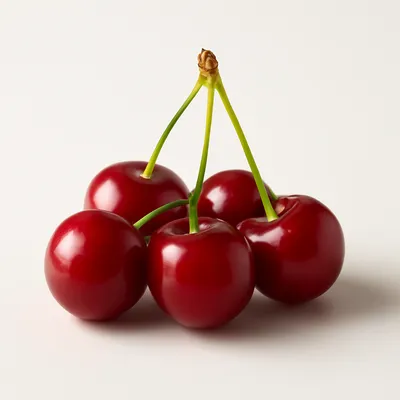


Cherry pie descends from the fruit pies of British and northern-European baking, carried to North America by colonists; tart cherries grew well in the cooler states and the pie became a Midwestern and New England staple. Michigan, and especially the Traverse City area on Lake Michigan, became the heart of American tart-cherry growing in the early 20th century and remains the largest producer of Montmorency cherries; the city has billed itself the 'Cherry Capital' and has held a National Cherry Festival since 1925 (held under that name from 1931). The link between cherry pie and George Washington is folklore — it grew out of Parson Weems's invented 'cherry tree' anecdote about young Washington and has no documented basis in fact.
The top crust shatters into flaky shards, then gives way to a thick, jammy pool of cherries that holds its shape when sliced but slumps softly on the plate. The flavour is high-toned and sour-sweet — tart cherries keep an almost winey acidity that sweet cherries lack — with a faint almond note from the fruit's own kernels. Whole or halved cherries stay tender but distinct in the syrup. A good slice has set juices, not a watery puddle.
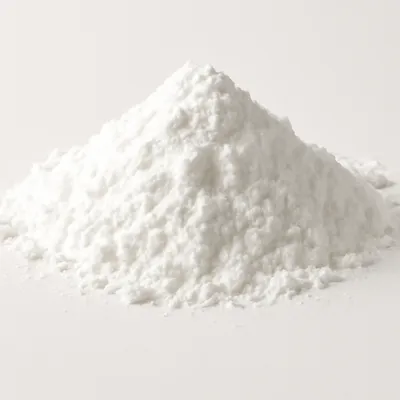
The filling is set with a starch — usually cornstarch or tapioca — because cherries release a great deal of thin juice; the starch granules absorb water and gelatinize as the pie bakes, turning the loose syrup into a sliceable gel that cools clear and glossy. Sour cherries are higher in acid, which keeps the colour vivid and sharpens flavour but can weaken some starches, so tapioca is favoured for a clean set. The crust's flakiness comes from solid cold butter or lard left in flat sheets within the dough: in the oven the fat melts and its water flashes to steam, prying the dough into layers. The lattice exposes more surface so juices boil off and concentrate rather than flooding the pan.
Variations
Most home bakers outside cherry country use canned or jarred tart cherries, or sweet cherries with added lemon juice to mimic the acidity. A full top crust (with steam slits) replaces the lattice in many versions. Almond extract is a common addition that echoes the cherry's natural kernel flavour. Cherry crumble or crisp swaps the top crust for a streusel; cherry hand pies and turnovers use the same filling in single portions.
On the Palate
Where Cherry Pie sits in the American flavor cloud
Ingredients
Serves 8How it's made
9 steps · 1 hour active + 1 hour 30 min waiting
- 170 min
Make a double batch of flaky pie dough, keeping the butter cold and in flat flecks; divide in two, flatten into disks, and chill at least 1 hour.
- 215 min
Pit 900 g sour cherries (or drain canned ones, reserving juice). Toss with sugar, a pinch of salt, a squeeze of lemon, and cornstarch or tapioca; let stand 15 minutes to draw out juice.
Watch outLet the sugared cherries stand 15 minutes and toss the cornstarch through their juice — that draws out the liquid the starch needs to set clear, not soupy.
- 38 min
Roll one disk into a 30 cm round and line the pie plate; chill while you work.
- 46 min
Roll the second disk and cut into strips for a lattice.
- 55 min
Spoon the cherry filling into the shell, mounding slightly, and dot with a little butter.
- 68 min
Weave the lattice over the top, trim, and crimp the edges to seal.
- 75 min
Brush the lattice with egg wash and sprinkle with coarse sugar; chill the assembled pie 15 minutes.
- 870 min
Bake at 220°C for 20 minutes, then lower to 190°C and bake 40–50 minutes more, until the crust is deep golden and the juices bubble thickly through the lattice.
Watch outBake until the crust is deep golden and the juices bubble thick and slow through the lattice — thin, fast bubbling means the starch hasn't set.
- 9180 min
Cool on a rack at least 3 hours so the filling sets before slicing.
Watch outCool at least 3 hours before slicing — cut it warm and the filling runs out in a puddle instead of holding a clean wedge.
Archive tool suggestions — not reviewed
These legacy suggestions have not been evidence-reviewed and are not presented as required tools.


