
A flat, dense St. Louis coffee cake with a thin yeasted or cake base and a thick, deliberately underbaked top layer of butter, sugar and often cream cheese that stays soft and gooey rather than setting into crumb. It is baked until the center still jiggles, dusted heavily with powdered sugar, cut into squares, and eaten at room temperature with coffee. The point is the rich, almost-molten top, not a fully risen cake.



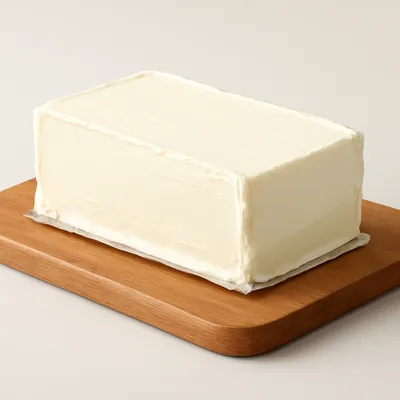

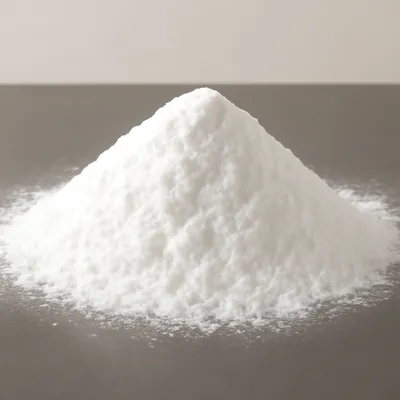
The cake is generally said to have been created by accident in St. Louis in the 1930s, when a German-American baker reversed the proportions of butter and flour while making a coffee cake during the Great Depression; the off-looking result sold well and spread among the city's German bakers. The most-repeated account credits baker John Hoffman, in whose shop the mix-up occurred, though a competing claim points to John Koppe in the early 1940s. The exact inventor is unrecorded, and the cake stayed a local specialty for decades because outsiders thought it looked like a mistake.
The top layer is the whole experience — a buttery, sweet, faintly tangy slab that sits between custard and fudge, sticking to the fork and the roof of the mouth. Beneath it a thin cake or yeast base gives just enough structure to lift a square. A snowfall of powdered sugar adds sweetness and a dry finish against the gooey center. It is unapologetically rich; a sliver with black coffee is the standard portion, and a thick wedge would overwhelm.
The defining gooey top comes from deliberate underbaking: the butter-sugar-egg (and cream-cheese) layer is pulled from the oven while the center is still molten, around 175°C, so it sets only at the edges and never fully bakes into crumb. A high ratio of fat and sugar to flour suppresses gluten and keeps the layer soft and dense rather than light. Corn syrup or extra sugar holds moisture and gives the characteristic stickiness; the thin base, leavened with yeast in the older version or baking powder in the modern cake-mix version, bakes through fully to support the unset top.
Variations
The original bakery version uses a yeast-raised dough base and a cooked butter-sugar topping; the now-ubiquitous home version, popularized by mid-century cookbooks, builds the base from a boxed yellow cake mix and the top from cream cheese, eggs and powdered sugar. Flavored offshoots add pumpkin, chocolate or lemon to the topping. The bar-cut home style is sometimes called a "gooey butter bar." It is a distinctly St. Louis dessert, rarely found by name outside Missouri.
On the Palate
Where Gooey Butter Cake sits in the American flavor cloud
Ingredients
Serves 9
How it's made
6 steps · 20 min active + 40 min waiting
- 18 min
Press a thin yeast dough or cake-mix base evenly into the bottom of a greased square pan.
- 25 min
Beat butter, sugar, eggs and cream cheese with a little corn syrup until smooth.
- 33 min
Blend in flour just until combined, keeping the topping loose and pourable.
Watch outBlend the flour in just until combined so the topping stays loose and pourable — overwork it and gluten builds and the layer bakes up cakey instead of gooey.
- 42 min
Pour the topping over the base and spread to the edges.
- 540 min
Bake at 175°C for about 35 to 40 minutes until the edges are set but the center still jiggles.
Watch outPull it while the center still jiggles and only the edges are set — the gooey top comes from deliberate underbaking; bake it firm and you lose the whole point.
- 65 min
Cool completely, dust thickly with powdered sugar, and cut into squares.
Archive tool suggestions — not reviewed
These legacy suggestions have not been evidence-reviewed and are not presented as required tools.


