A hot dog in a soft bun, smothered in a fine-textured, beanless meat chili and finished with chopped raw onion and a fall of shredded cheese, sometimes a stripe of yellow mustard. The chili here is not a bowl of stew but a loose, deeply spiced meat sauce ground almost smooth so it clings to the dog rather than sliding off. It is messy, hot, and eaten with both hands, a staple of American diners, drive-ins, and ballparks.



The chili dog grew out of the American chili-and-frankfurter culture of the early twentieth century, and one of its central tributaries is the 'Coney Island' hot dog — a dog topped with a spiced, beanless meat sauce that was developed, apparently independently, by several Greek and Macedonian immigrant restaurateurs in the 1900s and 1910s. Competing claims cluster in the industrial Midwest, including Detroit's American and Lafayette Coney Islands, both dating their lineage to around 1917, and Todoroff's in Jackson, Michigan, around 1914. No single inventor can be cleanly credited; the chili dog is best understood as a folk dish with many parallel origins, the sauce often descended from the immigrants' own spiced tomato-and-meat sauces.
Snap, then softness, then savor: a good dog gives a casing snap, the bun is pillowy, and the chili coats everything in warm, cumin-and-chili-scented richness. Raw onion cuts through with a sharp, crunchy bite, and the cheese, half-melted by the hot sauce, adds salt and stretch. It is loose and saucy enough that the bun begins to soften, which is part of the appeal — it must be eaten promptly and over a napkin.
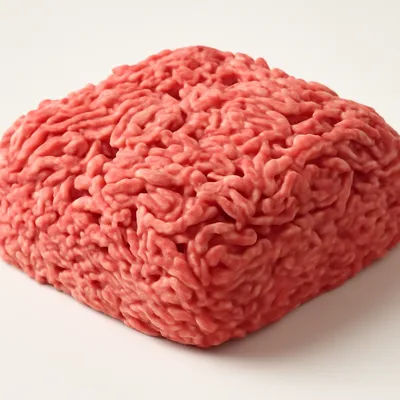
The defining trait is texture: the chili meat is broken down very fine, often by simmering ground beef with a little water and breaking the clumps so it stays loose and almost pourable rather than chunky, which lets it coat the dog evenly. Going beanless keeps it a sauce, not a stew. The spice base — chili powder, cumin, sometimes a whisper of cinnamon or allspice in the Coney tradition — blooms when toasted in fat at the start, releasing fat-soluble flavor compounds. The hot sauce, ladled over a just-cooked dog, gently melts the cheese from below without a separate step.
Variations
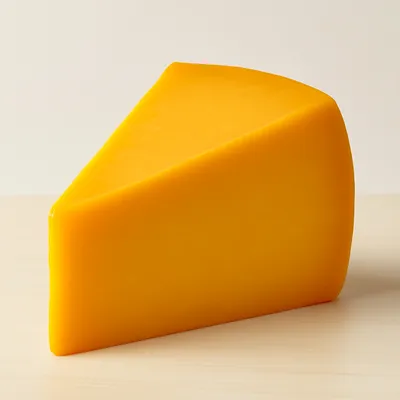
Regional forms diverge sharply: the Detroit and downriver Coney uses a fine beef-heart-inclusive sauce with onion and mustard; the Cincinnati 'cheese coney' tops it with a mound of finely shredded cheddar and a Greek-spiced chili; Texas and the West often go heavier and meatier. Garnish order is debated — onion under or over the chili, mustard yes or no. The constant is a beanless meat sauce ladled over a bunned dog; add beans and most regional traditions would no longer call it a chili dog.
On the Palate
Where Chili Dog sits in the American flavor cloud
Ingredients
Serves 4

How it's made
6 steps · 40 min
- 16 min
Brown the ground beef in a pot, breaking it very fine, then add chili powder, cumin, salt, and a little tomato.
Watch outBreak the beef up very fine as it browns — no clumps; you want a loose, almost pourable sauce that coats the dog evenly, not a chunky stew.
- 240 min
Pour in water or stock to loosen, bring to a simmer, and cook gently until thick, smooth, and saucy, about 40 minutes.
Watch outSimmer gently until it's thick, smooth and saucy, about 40 minutes — reduce it too far and it turns to dry chili instead of a sauce that ladles over the dog.
- 35 min
Cook the hot dogs by simmering, griddling, or grilling until heated through and lightly blistered.
- 43 min
Warm or steam the buns until soft.
- 52 min
Set a dog in each bun and ladle the hot chili generously over the top.
- 61 min
Finish with chopped raw onion, shredded cheese, and a stripe of yellow mustard, and serve at once.
Archive tool suggestions — not reviewed
These legacy suggestions have not been evidence-reviewed and are not presented as required tools.