A seared ground-beef patty topped with a slice of melting cheese, sandwiched in a soft toasted bun and dressed to taste with lettuce, tomato, onion, pickle and condiments. It is the central sandwich of American food and the default at every diner, drive-in and backyard grill. The cheese is laid on while the patty finishes so it melts over the meat, and the assembly is eaten by hand. Form ranges from the thin, crusty flat-top griddle patty to the thick char-grilled pub burger.



The cheeseburger descends from the plain hamburger but its own invention is contested among several 1920s-1930s claims, none documented at the moment of creation. Pasadena, California credits 16-year-old short-order cook Lionel Sternberger, who is said to have laid cheese on a frying patty at his father's Rite Spot stand around 1924; the stand's menu later listed an "Aristocratic Hamburger." Louisville, Kentucky credits Carl Kaelin of Kaelin's restaurant on Newburg Road, who added cheese in 1934. The name itself was trademarked in 1935 by Louis Ballast of the Humpty Dumpty Drive-In in Denver, Colorado, though the term was never enforced.
A good cheeseburger eats hot and juicy, the patty crusted brown on the outside and pink-to-grey within depending on doneness. The cheese should be fully molten, draped over the edges and clinging to the meat rather than sitting as a cold square. Salt and beef fat lead; the bun goes slightly toasted so it holds without turning to paste. Acid from pickle and a smear of mustard or ketchup cuts the richness, and the whole thing should compress in the hand without falling apart.
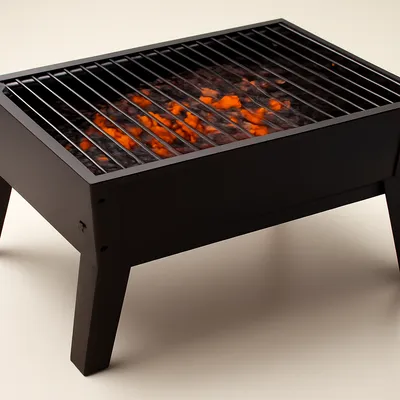
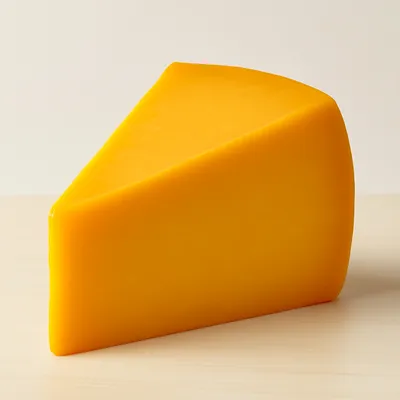
The crust is built by the Maillard reaction: at flat-top or grill temperatures above about 150°C the patty's surface proteins and sugars brown into the savoury char that defines burger flavour, so the meat is left unpressed and unflipped until that crust forms. Cheese is added in the last minute and the residual heat carries it past its melting point, around 60-70°C for processed American or cheddar, the added emulsifying salts in processed slices keeping the melt smooth rather than splitting into oil and curds. A coarse 80/20 lean-to-fat grind and a loose hand keep the cooked patty tender.
Variations
The thin, crisp-edged griddle smash burger contrasts with the thick char-grilled pub patty. Wisconsin and the Midwest favour butter burgers and the cheese-stuffed Juicy Lucy; the South leans to American cheese and a soft bun, California to the lettuce-wrapped or chopped-onion style of In-N-Out, and Oklahoma to the onion-fried burger with shredded onion smashed into the patty. The bacon cheeseburger, double or triple stacks, and the patty melt on rye are all standard derivatives.
On the Palate
Where Cheeseburger sits in the American flavor cloud
Ingredients
Serves 4

How it's made
6 steps · 20 min
- 15 min
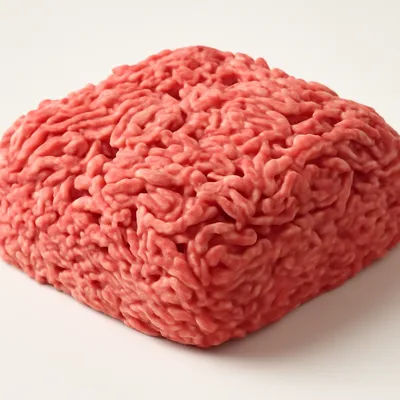
Divide 80/20 ground beef into four loose balls and season the outsides generously with salt and pepper.
- 23 min
Heat a flat-top or cast-iron skillet until smoking hot.
- 34 min
Set each ball on the surface and press firmly into a thin patty, then leave undisturbed about 3 minutes until a brown crust forms.
Watch outPress the ball into a thin patty then leave it undisturbed about three minutes — don't move or re-press it, or you shear off the browning crust before it forms.
- 42 min
Flip once, lay a slice of cheese on each patty, and cook 1-2 minutes more until the cheese melts.
Watch outAdd the cheese in the last minute and let residual heat carry it just past melting — processed slices melt smooth; too soon and it splits into oil and curds.
- 52 min
Toast the cut buns in the rendered fat until golden.
- 63 min
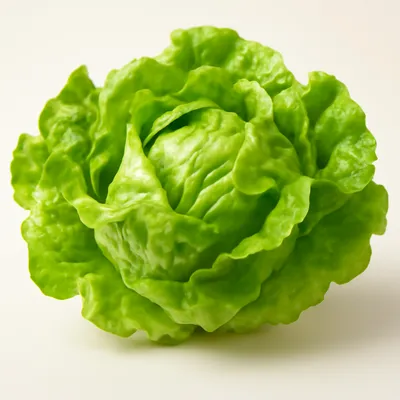
Build each burger with the patty, desired lettuce, tomato, onion and pickle, finish with mustard or ketchup, and serve at once.
Archive tool suggestions — not reviewed
These legacy suggestions have not been evidence-reviewed and are not presented as required tools.