
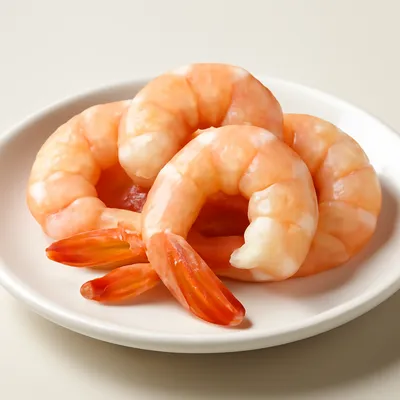
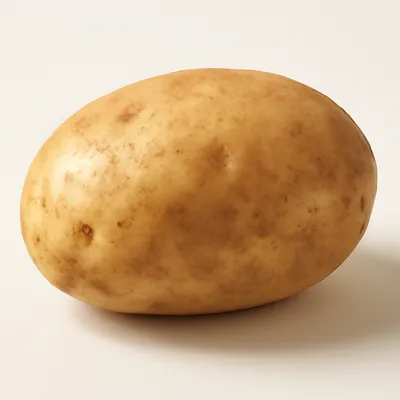
A one-pot boil of shrimp, smoked sausage, corn on the cob, and small potatoes, all seasoned heavily with Old Bay or a similar spice blend, cooked in stages in a single pot of seasoned water so everything finishes together. Drained and poured out onto a newspaper-covered table, it is eaten communally by hand. Known on the South Carolina and Georgia Sea Islands as Frogmore Stew, it is a centerpiece of coastal gatherings and a dish of Gullah-Geechee tradition.




Communal seafood-and-vegetable boils belong to the Gullah-Geechee tradition of the Sea Islands, descendants of enslaved Africans who cooked one-pot meals to feed large gatherings. The named modern dish is credited to Richard Gay of the Gay Fish Company in the community of Frogmore on St. Helena Island, who, by the widely repeated account, fed his National Guard unit at the Beaufort armory in the 1960s by boiling up leftovers and fresh-caught shrimp in a single stockpot and called it Frogmore Stew. As the dish spread beyond the island, it took on the broader name Lowcountry Boil.
Eaten with the fingers, peel-and-go. The shrimp are sweet and just-set, the smoked sausage greasy and peppery, the corn soaked through with the seasoned, salty, faintly bitter Old Bay broth, and the potatoes carry the most spice of all because they cook the longest. Nothing is sauced — the flavor is all in what the boil water leaves behind. The pleasure is as much social as culinary: a steaming heap dumped on the table, everyone reaching in at once.
The whole technique is staged timing in one pot. Seasoned water is brought to a rolling boil; the longest-cooking item — the potatoes — goes in first, the corn next, the sausage after, and the shrimp last, since they need only a few minutes before the proteins set and they turn opaque and curl. Overcooking the shrimp by even a minute or two makes them rubbery, so the pot is drained the moment they turn pink. The salt and spice in the boil water season each item from the outside in; the starchier, more porous potatoes absorb the most.
Variations
The base of shrimp, sausage, corn, and potato is near-universal, but cooks add crab, crawfish, or clams when in season, and some swap kielbasa for the traditional smoked link. The seasoning is the main regional fork: Old Bay dominates from the Chesapeake down, while crab-boil spice bags and extra cayenne push it hotter. It shares its communal, spice-boiled, table-dumped form with the Cajun crawfish boil of Louisiana, though the Frogmore version is built on shrimp rather than crawfish and seasoned with Old Bay rather than a Cajun boil blend.
On the Palate
Where Lowcountry Boil sits in the American flavor cloud
Ingredients
Serves 8How it's made
6 steps · 20 min
- 110 min
Fill a large stockpot with water, add a generous amount of Old Bay seasoning, salt, and a halved lemon, and bring to a rolling boil.
- 210 min
Add small whole potatoes and boil until they begin to soften, about 10 minutes.
Watch outGet the water to a full rolling boil before anything goes in — the salt and Old Bay have to be dissolved and hot so they season each item from the outside in.
- 39 min
Add the corn cobs cut into halves and the smoked sausage cut into chunks; boil another 8 to 10 minutes.
- 43 min
Add the shrimp and cook just 2 to 3 minutes, until they turn pink and curl.
Watch outThe shrimp need only two to three minutes — pull them the moment they turn pink and curl, because one extra minute turns them rubbery.
- 52 min
Drain the whole pot immediately so the shrimp do not overcook.
Watch outDrain the whole pot the instant the shrimp are done; sitting in the hot water keeps cooking them.
- 65 min
Pour the boil out onto a newspaper-covered table or a platter, dust with more Old Bay, and serve with melted butter and cocktail sauce.
Archive tool suggestions — not reviewed
These legacy suggestions have not been evidence-reviewed and are not presented as required tools.



