
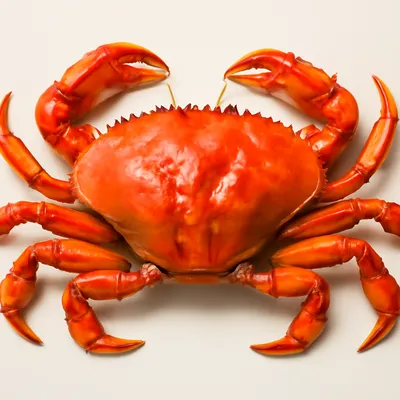
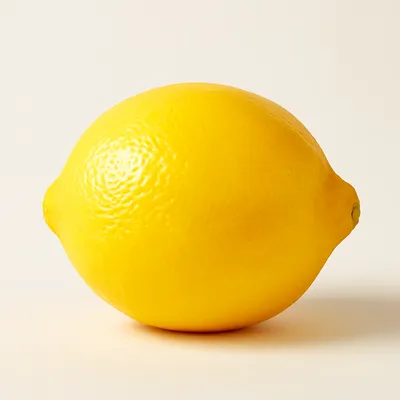
A whole Dungeness crab boiled in heavily salted water, shocked in ice, cleaned, and cracked at the table to be picked from the shell. It is served warm or chilled with drawn butter and lemon, often alongside crusty sourdough and cocktail sauce. The crab is the Pacific Northwest's signature shellfish, eaten plain so the sweet meat carries the dish rather than any sauce. Cracking is a serving custom rather than a fixed recipe.




The crab is named for Dungeness, Washington, a small fishing village on the Dungeness Spit at the Strait of Juan de Fuca, where early commercial fishing for the species was done; George Vancouver gave the place its English name in 1792 for its resemblance to Dungeness in the English Channel. The commercial fishery itself began in 1848 with San Francisco fishermen and is often called the oldest shellfish fishery of the North Pacific coast. Cracked crab with drawn butter has no single inventor; it is a Pacific-coast serving tradition, most strongly documented around San Francisco but equally the everyday form in Oregon and Washington. Only hard-shelled males above roughly a 6.25-inch carapace may be taken commercially.
The body meat is white and flaky, the leg and claw meat firmer and faintly pink at the edges, all of it clean and slightly sweet. Warm, it is sweetest; chilled, it firms up and reads briny. Drawn butter coats each strand; lemon and cocktail sauce cut the richness. A whole crab yields only about a quarter of its weight in meat, so the work of cracking is part of the meal.
Live crab is dropped headfirst into water salted to roughly seawater strength, about one cup of salt per gallon, and boiled around seven minutes per pound, near fifteen to twenty minutes for a one-and-a-half to two-and-a-half pound crab; the shell turns bright orange when done, as the carotenoid astaxanthin is freed from its protein complex. An immediate ice-water bath halts carryover cooking. Overcooking toughens the meat: the muscle's myofibrillar proteins denature and contract, squeezing out moisture and leaving it rubbery. Cleaning is usually done after cooking, removing the belly apron, the top carapace, the feathery gills, and the viscera before cracking.
Variations
Served cold-cracked with butter and sourdough, the San Francisco Bay tradition, or hot from the pot. The Bay Area also roasts whole Dungeness with garlic, a Californian rather than a Northwest treatment. It is the basis of crab Louie salad and cioppino. Distinct from Maryland blue crab, which is small and steamed with Old Bay, and from Alaskan king crab, a far larger cold-water species served as legs.
On the Palate
Where Cracked Dungeness Crab sits in the American flavor cloud
Boil in properly seawater-salty water and pull the crab the moment the shell turns bright orange, then shock it in ice water; a few extra minutes squeezes the moisture out and leaves the meat rubbery.
Ingredients
Serves 3How it's made
8 steps · 15 min
- 15 min
Fill a large stockpot with water, add about one cup of salt per gallon, and bring to a rolling boil.
Watch outSalt the water to seawater strength and get it to a hard rolling boil before the crab goes in.
- 22 min
Grasp each live crab from behind and lower it headfirst into the boiling water until fully submerged.
- 33 min
Cover and let the water return to a boil.
- 418 min
Uncover and boil about seven minutes per pound, roughly fifteen to twenty minutes, until the shell turns bright orange.
Watch outThe shell turning bright orange is the doneness signal; pull it right then, do not wait extra minutes.
- 58 min
Transfer the crab to an ice-water bath to stop the cooking and cool it.
Watch outMove it straight into ice water; the fast chill stops the carryover and firms the meat.
- 64 min
Clean it: snap off the belly apron, pry off the top shell, discard the gills, and rinse away the viscera.
- 75 min
Twist off the legs and claws and crack each section with a mallet or crab cracker; split the body to expose the meat.
- 82 min
Melt butter for dipping and serve the cracked crab with lemon wedges, cocktail sauce, and sourdough.
Archive tool suggestions — not reviewed
These legacy suggestions have not been evidence-reviewed and are not presented as required tools.



