
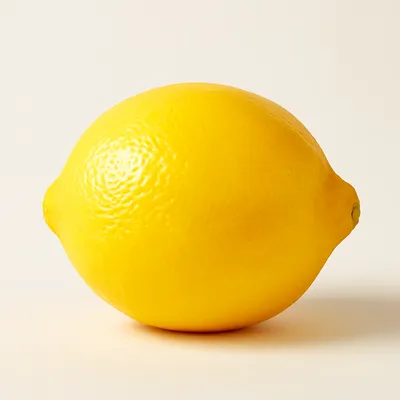
Sweet local pink shrimp from the waters off Key West and the Dry Tortugas, prepared as simply as possible — boiled briefly for peel-and-eat, or quickly fried. Famous enough to be nicknamed 'pink gold,' they are firmer and sweeter than most shrimp and need almost nothing but salt, lemon, and a quick hand on the heat.
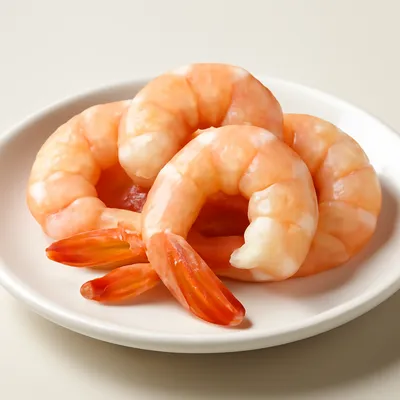



The Key West pink shrimp (Farfantepenaeus duorarum) built a fishery and a fleet. Vast beds were discovered off the Dry Tortugas late in 1949, and by 1950 there was a substantial fishery there — a 'pink gold rush' that crowded some five hundred trawlers into Key West Bight through the 1950s and 60s. Local tradition credits the fish-house owner Norberg Thompson and the trawler man Henry 'Booty' Singleton with chasing down the grounds, though the personal details are heritage lore rather than fishery record. The 'pink gold' nickname is real but vernacular, tied to that boom; the fleet had largely moved on from Key West by the late 1980s.
Clean, sweet, and briny — ocean-forward, with a firm, snappy bite that never crosses into rubber. Boiled and peeled, they are eaten warm with drawn butter or chilled with cocktail sauce, the peel-and-eat ritual tactile and communal, almost like eating them straight out of the water. Fried, a thin crust gives way to that same sweet snap. The pink shows even in the raw shell, which is where the name comes from.
Shrimp muscle is mostly myofibrillar protein — myosin and actin — and the whole art is not overcooking it. Myosin sets first, around 120°F (49°C), which is the point at which the shrimp is just done; push past about 150°F (66°C) and the actin denatures too, contracting the fibers and squeezing out water, so the flesh turns dry and rubbery. The curl is the cue made visible: a straight shrimp is underdone, a loose C is perfect, a tight O is overcooked. The sweetness comes from free amino acids, glycine chief among them — the same osmolytes the animal uses to balance seawater, which is why shellfish taste sweeter than fish.
Variations
The two everyday treatments are peel-and-eat boiled — in salted water, often with Old Bay, a quick two minutes to a loose C, then either iced or tossed in butter — and a simple dredge-and-fry. Beyond that the shrimp turn up in the regional low-country boil with corn, sausage, and potato, and in fried-shrimp baskets. There is no proprietary 'Key West technique'; these are general Southern idioms applied to a uniquely sweet local catch, and the local ethos is simply to let the sweetness speak.
On the Palate
Where Key West Pink Shrimp sits in the American flavor cloud
Ingredients
Serves 4How it's made
5 steps · 15 min active + 5 min waiting
- 15 min
Bring a pot of water to a boil with salt and Old Bay, plus garlic or lemon if you like.
- 22 min
Drop in the shell-on pink shrimp and cook just two minutes, until they curl into a loose C and turn opaque.
Watch outPull the shrimp the instant they curl into a loose C and turn opaque — a tight O means overcooked and rubbery; two minutes is plenty.
- 32 min
Lift them out at once into an ice bath to serve chilled, or toss in butter to serve warm.
Watch outDrop them straight into an ice bath if serving cold — carryover heat keeps cooking them, and a few seconds too long turns them dry.
- 41 min
Serve peel-and-eat with cocktail sauce or drawn butter and lemon wedges.
- 55 min
For fried shrimp instead, peel, dredge in seasoned flour and cornmeal, and fry at 350°F (175°C) one to two minutes, salting immediately.
Archive tool suggestions — not reviewed
These legacy suggestions have not been evidence-reviewed and are not presented as required tools.



