The archetypal American breakfast plate: fried eggs and crisp strips of bacon, usually with buttered toast. The bacon is rendered until crackly and the eggs are cooked in its fat, which carries the smoky, salty flavor into the whites and edges. Eggs are ordered to a precise doneness — sunny-side up, over easy, over hard — and the runny or set yolk is part of the dish's appeal. Plain, fast, and endlessly familiar, it is the default short-order breakfast.




Bacon and eggs is a folk pairing with no single inventor; cured pork and eggs have shared the British and American breakfast table for centuries, the dish descending from the older British fried breakfast. Its modern dominance in America owes partly to a documented 1920s public-relations campaign: the publicist Edward Bernays, working for a pork-packing client, surveyed physicians to endorse a hearty breakfast and promoted bacon and eggs specifically, helping cement it as the 'all-American' morning meal. The cooking is plain and old; the cultural status of bacon-and-eggs as the breakfast was deliberately marketed.
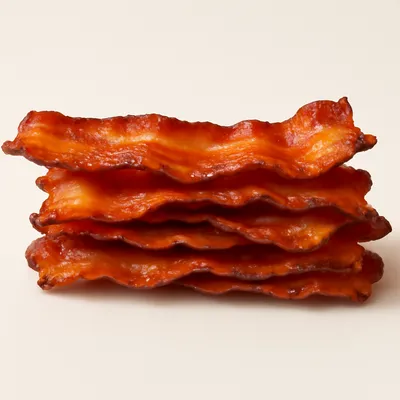
Crisp, smoky bacon that snaps and gives way to chew, set against a soft fried egg whose runny yolk spills gold over the plate. The contrast of textures and the salt-and-fat richness define it: brittle bacon, silky white, liquid or just-set yolk, often mopped up with buttered toast. The bacon fat seasons the egg whites with smoke and salt at their lacy, crisped edges. Done right, the egg white is fully set but tender, never rubbery, and the yolk is exactly as runny as ordered.
Bacon is cooked from a cold or barely-warm pan so its fat renders slowly and evenly before the lean sets — rushing it on high heat browns the outside while the fat stays soft and floppy. As water cooks out and fat renders, the strips dehydrate and crisp; the curing salts and smoke concentrate as they do. The rendered fat is then the cooking medium for the eggs: hot fat sets the white quickly from below while gentle heat keeps the yolk liquid, and basting or covering the pan sets the top of the white without flipping. Egg white sets at a lower temperature than yolk, which is what makes a runny-yolk, firm-white egg possible at all.
Variations
The egg doneness is the main axis: sunny-side up (unflipped, runny), over easy, over medium, over hard, with basted as a no-flip alternative. Bacon ranges from chewy to shatter-crisp by cook time, and thick-cut, peppered, or maple bacon all appear. The plate usually carries toast and sometimes home fries or grits; British and Irish 'full breakfast' versions expand it with sausage, beans, tomato, and fried bread. Substituting sausage gives the closely related sausage and eggs.
On the Palate
Where Bacon and Eggs sits in the American flavor cloud
Ingredients
Serves 2How it's made
6 steps · 5 min
- 12 min
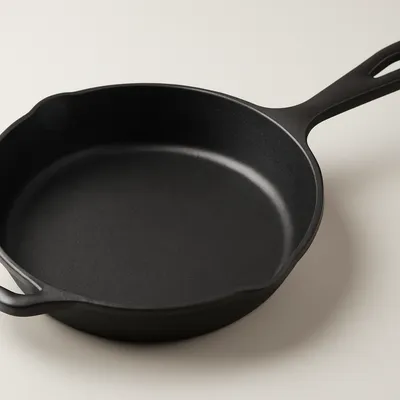
Lay the bacon in a cold skillet and turn the heat to medium so the fat renders gradually.
Watch outStart the bacon in a cold pan and bring it up slowly — the fat needs time to render out before the lean sets, or you get browned-but-floppy strips with soft, greasy fat.
- 28 min
Cook the bacon, turning once, until it reaches the crispness you like, then move it to paper towels to drain.
- 31 min
Pour off most of the fat, leaving a thin film in the hot pan.
- 42 min
Crack the eggs into the pan and cook undisturbed until the whites set.
Watch outCrack the eggs into the hot fat and leave them alone until the whites turn opaque and set — nudging them early tears the whites and muddies the runny yolk.
- 52 min
For over eggs, flip gently and cook the second side briefly; for sunny-side up, baste with hot fat or cover the pan to set the tops.
- 61 min
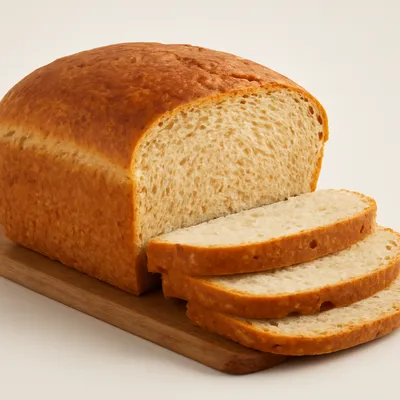
Plate the eggs and bacon with buttered toast and serve at once.
Archive tool suggestions — not reviewed
These legacy suggestions have not been evidence-reviewed and are not presented as required tools.