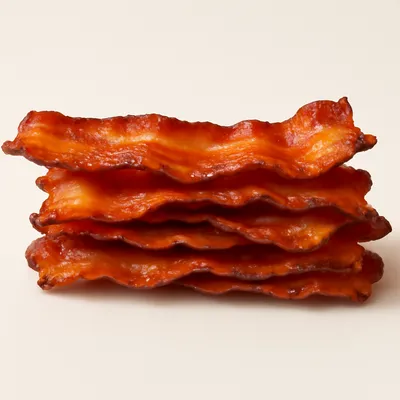
Wild ramps — pungent spring leeks foraged from mountain woods — fried in bacon grease with sliced potatoes until the potatoes crisp and the greens go silky. It is one of the first hot dishes of the Appalachian spring, made in the brief weeks when ramps push up through the leaf litter. The dish is plain on purpose: ramps, potatoes, fat, salt, and often scrambled eggs or bacon thrown in. The smell, garlicky and oniony at once, is unmistakable.



Ramps (Allium tricoccum) are a native wild onion of the eastern hardwood forests, among the very first green things to appear after winter. Mountain communities have gathered them for generations and long regarded them as a spring tonic — a welcome dose of fresh greens after months without, and credited in folk belief with cleansing the blood and warding off winter ailments. Community ramp suppers and festivals are a long Appalachian institution, with West Virginia's Feast of the Ramson at Richwood running since the 1930s. Fried with potatoes is among the most common home preparations, an honest dish built from a forager's haul and pantry staples.
The potatoes come out browned and crisp at the edges, soft within, slick with bacon fat. The ramps wilt into them, the white bulbs turning sweet and mellow while the green leaves keep a faint bite. The flavor lands somewhere between garlic and onion, more assertive than either, with the bacon grease tying it together in a savory, smoky note. Eaten hot from the skillet, often pushed up against scrambled eggs and cornbread.
The potatoes are cooked first and largely undisturbed so their surface starch dehydrates against the hot pan and browns — moving them too often keeps them pale and steamy. The ramps go in late because their thin leaves cook in moments; adding them early would scorch the greens and lose their volatile, garlicky aromatics. Bacon grease is the chosen fat both for flavor and for its high smoke point, which lets the potatoes crisp properly. A heavy cast-iron skillet holds steady heat and gives the best crust.
Variations
Beyond potatoes, ramps are scrambled into eggs, folded into cornbread or biscuits, fried with streaked meat, or simply sauteed alone in bacon grease. Some cooks keep the green tops and bulbs together; others fry the bulbs longer and add the leaves only at the end. Ramps are also pickled or dried to stretch the short season. A splash of vinegar at the finish is a common mountain touch.
On the Palate
Where Fried Ramps with Potatoes sits in the American flavor cloud
Ingredients
Serves 4How it's made
8 steps · 35 min
- 16 min
Clean the ramps well, trimming the roots and any slimy outer layer, then separate the white bulbs from the green leaves.
- 24 min
Slice the potatoes thin and pat them dry.
- 33 min
Render the bacon grease in a heavy cast-iron skillet over medium-high heat.
- 412 min
Add the potatoes in an even layer and cook, turning only occasionally, until browned and nearly tender, about twelve minutes.
Watch outLay the potatoes in one layer and leave them mostly alone until browned — turn them too often and they just steam pale and soft.
- 53 min
Stir in the chopped ramp bulbs and cook two to three minutes until softened and fragrant.
- 61 min
Add the ramp leaves and toss just until wilted, about one minute.
Watch outAdd the tender ramp leaves only at the very end and toss just until wilted — a minute is plenty; longer scorches away their garlicky aroma.
- 71 min
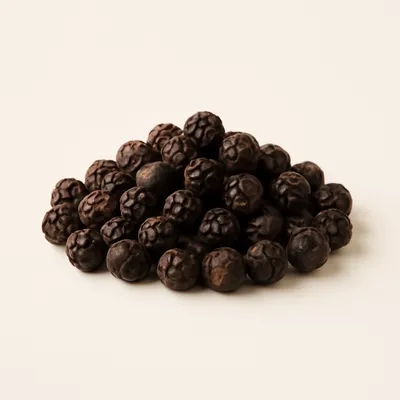
Season well with salt and black pepper.
- 82 min
Serve hot, alone or alongside scrambled eggs and cornbread.
Archive tool suggestions — not reviewed
These legacy suggestions have not been evidence-reviewed and are not presented as required tools.