
Lime-and-cumin marinated skirt steak grilled hot, sliced thin against the grain, and brought to the table sizzling on cast-iron with charred peppers and onions, flour tortillas alongside.
Disputed but well-documented in Texas: skirt steak (the diaphragm muscle) was a low-value cut paid to Mexican-American ranch hands in the Rio Grande Valley as part of their wages, called «faja» (strip/little belt) for its long thin shape. Sonny Falcón, the «Fajita King», sold the first commercial Tex-Mex fajita taco at a 1969 Diez y Seis festival in Kyle, Texas, then opened a stand at the 1973 Houston Astrodome. Ninfa Laurenzo's Houston restaurant popularized the sizzling-platter table presentation in 1973.
Skirt steak (the diaphragm) was a low-value cut handed to Mexican-American ranch hands in the Rio Grande Valley in lieu of higher wages — called «faja» (belt) for its long thin shape. Sonny Falcón sold the first commercial fajita taco at a 1969 Diez y Seis festival in Kyle, TX; Ninfa Laurenzo's Houston restaurant popularized the sizzling-platter table presentation in 1973.
It arrives loud — black cast-iron howling steam, the lime hit like an aerosol of citrus across the dining room. Meat is dark-crusted, ruby inside, with a chewy bite that skirt steak alone gives you. Peppers are slack and sweet from char; onions are sweet-bitter at the edges. You build the taco hot — tortilla absorbs the meat juice in five seconds. Benchmark: the platter must still be sizzling when the second tortilla goes down.
Two mechanisms. First, lime juice in the marinade tenderizes the strong skirt connective tissue through acid denaturation of the surface proteins (citrus is not a protease source the way papaya or pineapple is) — but only for 4-6 hours; longer and the surface goes mealy. Second, the sizzle isn't theater; the cast-iron platter must be over 220°C when the meat hits it, because the steam rising off the meat juice carries volatile lime, garlic, and Maillard aromatics into the air at the table — most of fajita's flavor experience is olfactory at the moment of plating.
Variations
Sonny Falcón's original (Kyle, TX, 1969 — chopped on a flat-top, no sizzle platter); Ninfa's on Navigation (Houston, 1973 — the cast-iron table presentation); Otto's Barbecue and the original Tex-Mex chain takes are how the dish reached the country.
On the Palate
Where Fajitas sits in the American flavor cloud
Ingredients
Serves 4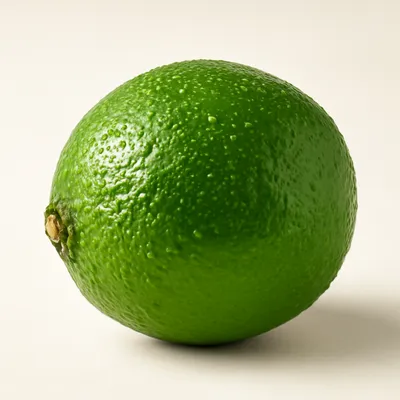










How it's made
8 steps · 30 min active + 3 hours 30 min waiting
- 15 min
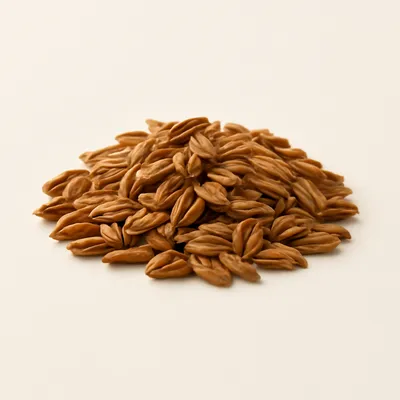
Whisk marinade: 80ml lime juice (4 limes), 60ml neutral oil, 6 cloves crushed garlic, 1 tbsp cumin, 1 tsp smoked paprika, 1 tsp Worcestershire, 1 tsp salt, 1 tsp black pepper, 2 tbsp chopped cilantro stems.
- 25 min
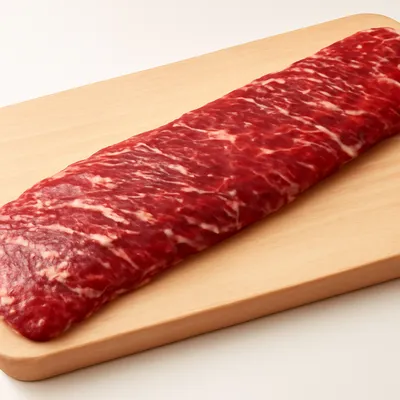
Trim 700g skirt steak of silverskin. Bag with marinade and refrigerate 3-4 hours. Don't go over 6 hours — lime breaks down the surface protein into a mealy texture.
Watch outSkirt has a strong grain — note its direction now so you can slice across it later.
- 35 min
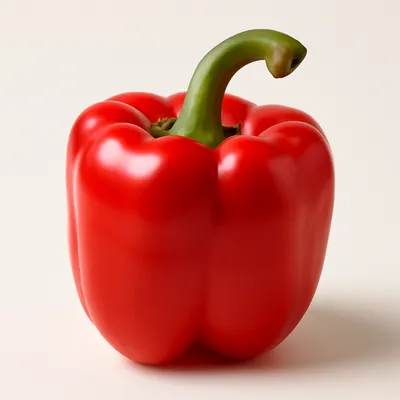
Slice 2 bell peppers (red + green) and 1 large white onion into 1cm strips. Toss with 1 tbsp oil, salt, pinch cumin.
- 45 min
Heat a cast-iron skillet or charcoal grill to 230°C / 450°F — when a drop of water vanishes in 2 seconds. Pull steak from marinade, blot with paper towel.
Watch outWet meat steams, doesn't sear. Blot dry.
- 514 min
Sear steak 3 minutes per side for 2cm thick — internal 54°C / 130°F medium-rare. Rest on a board 8 minutes, tented loosely in foil.
- 66 min
While steak rests, throw peppers and onions onto the same hot pan. Don't stir for 2 minutes — let them blister and char. Toss; cook 4 more minutes until floppy with black edges.
- 73 min
Slice steak across the grain into 5mm strips. Pile peppers and onions on a screaming-hot cast-iron platter, lay steak on top — squeeze of lime as it hits the table for the steam show.
Watch outThe platter has to be ripping hot — preheat it dry in a 250°C oven for 10 min. That's where the sizzle comes from.
- 84 min
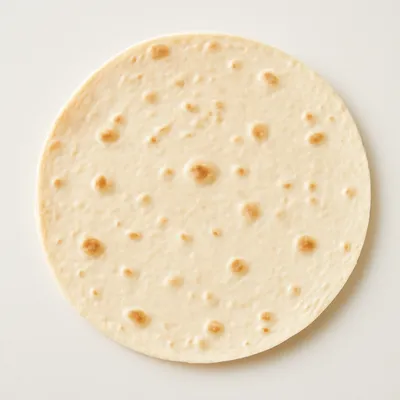
Warm 8 flour tortillas in a dry skillet, 20 seconds a side. Serve with sour cream, guacamole, pico de gallo, lime wedges. Diners build their own.
Archive tool suggestions — not reviewed
These legacy suggestions have not been evidence-reviewed and are not presented as required tools.
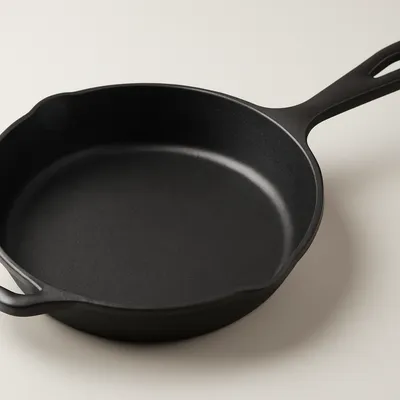
A heavy, single-piece cast iron pan, 25-30 cm across, weighing 1.5-2.5 kg. Once preheated, the thick mass holds 230°C+ even when a cold steak hits the surface — that's the secret to a deep crust. A well-seasoned skillet (multiple thin layers of polymerized oil baked into the iron) is essentially nonstick, gets better with use, and lasts a century. Lodge skillets from Tennessee have been in continuous production since 1896.
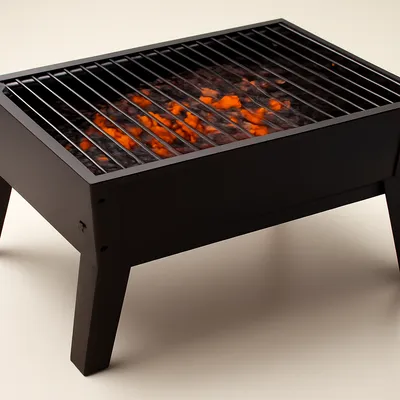
An open or hooded metal frame holding a bed of glowing charcoal embers, with a grate above. Charcoal burns at 700°C+ on the surface and emits short-wave infrared, which cooks proteins faster and with deeper Maillard browning than gas. Hardwood lump charcoal (oak, mesquite, fruitwood) lends its own smoke; cheap briquettes do not. Mastery is mostly heat zoning — direct over coals for searing, indirect off-coals for slow-roasting.


