
Meaty sections of beef tail browned and then braised for hours until the meat falls from the bone and the cooking liquid becomes a thick, glossy brown gravy, traditionally served over white rice. Oxtail is bony, fatty, and full of connective tissue, so it rewards only long, slow cooking — and pays it back with some of the richest, most gelatinous gravy in the kitchen. It is a beloved soul-food centerpiece and a Sunday-and-special-occasion dish across the African American and wider African diaspora. The marrow, the gelatin, and the deep beefy gravy are the whole reward.
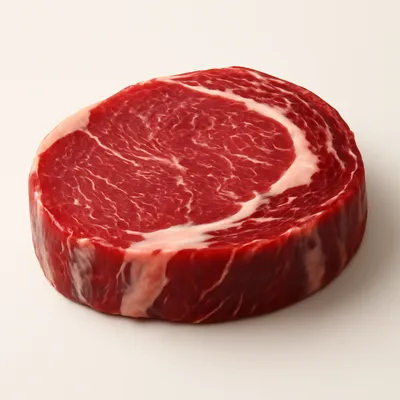


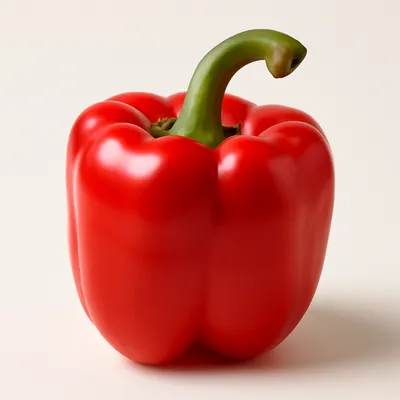


Oxtail began in Europe as a poor man's cut — the bony tail, full of gelatin, that thrifty cooks turned into hearty soups and stews. Through colonialism and migration the cut spread into Caribbean and African diaspora cooking, where it became a celebrated dish rather than a leftover. In the American South it belongs to the soul-food tradition built by enslaved and later free African American cooks, who took the undesirable cuts their enslavers discarded — tails, feet, offal — and, through slow braising and smothering in gravy, made them tender and deeply flavorful. The same cut anchors Jamaican oxtail, marinated in island spices and stewed with butter beans, underscoring the shared diaspora lineage. It is a folk dish with no single inventor, prized today well beyond its humble beginnings.
The meat is meltingly tender and pulls away from the bone in rich, dark shreds, with pockets of soft fat and marrow that dissolve on the tongue. The gravy is the marvel: thick, deeply brown, and almost sticky with the gelatin that long braising has drawn from the bones and connective tissue, intensely beefy and savory. Spooned over white rice, it coats every grain. It is unctuous, soulful, and deeply satisfying — a dish you eat slowly, working the meat off the bones.
Oxtail is one of the most collagen-rich cuts there is, which is exactly why it needs hours of moist heat above roughly 70°C: the collagen slowly converts to gelatin, turning the tough meat silky and giving the gravy its glossy, almost sticky body without any added thickener. A hard initial sear drives the Maillard reaction, building the deep roasted flavor and leaving fond in the pot to dissolve into the braise. The bones release marrow and minerals that further enrich the liquid. Because oxtail is fatty, many cooks braise it a day ahead and chill it so the hardened fat can be lifted off, leaving a cleaner, more concentrated gravy to reheat and serve.
Variations
The American soul-food version leans on a deeply browned onion-and-garlic gravy thickened by the natural gelatin, sometimes helped with a flour slurry, and is served over rice. The Jamaican version marinates the oxtail in allspice, thyme, scotch bonnet, and browning, and stews it with butter (lima) beans and a dumpling or two. Other diaspora and European cousins include oxtail soup and the Italian coda alla vaccinara. Common additions are carrots, bell pepper, and a splash of red wine or Worcestershire; many insist the dish is better made a day ahead.
On the Palate
Where Oxtails and Gravy sits in the American flavor cloud
Ingredients
Serves 6

How it's made
7 steps · 40 min
- 110 min
Pat the oxtail pieces dry, season generously with salt and pepper, and dredge lightly in flour.
- 215 min
Brown the oxtails hard on all sides in a heavy pot, then set aside.
Watch outBrown the oxtails hard on every side and leave the fond in the pot — that seared crust and sticky residue are the flavor base of the whole gravy.
- 38 min
Cook chopped onion, garlic, and bell pepper in the rendered fat until softened and browned, scraping up the fond.
- 4180 min
Return the oxtails, add beef stock to nearly cover along with a bay leaf and a splash of Worcestershire, then cover and braise low for about three hours.
Watch outBraise low for about three hours until the meat pulls off the bone and the liquid turns glossy on its own — that sheen is collagen becoming gelatin, no thickener needed.
- 515 min
Cook until the meat is falling off the bone and the liquid has reduced into a rich gravy.
- 65 min
Skim off excess surface fat and, if needed, thicken the gravy further with a flour slurry.
- 73 min
Serve the oxtails and gravy over white rice.
Archive tool suggestions — not reviewed
These legacy suggestions have not been evidence-reviewed and are not presented as required tools.



