Crumbled, never-pressed seasoned ground beef, lightly simmered in beef broth, piled onto a steamed white hamburger bun with mustard, pickle, and chopped onion — Iowa's anti-burger.




The loose meat sandwich was invented in 1926 by Fred Angell at his Muscatine, Iowa diner; the chain Maid-Rite still operates from that location and across Iowa, Illinois, Missouri, and Minnesota. The premise — never-pressed crumbled beef on a steamed bun — predates the McDonald's hamburger by two decades and competes for the title of America's first ground-beef-on-bun fast food. Variants include the Tastee in Indianapolis (1929) and the NuWay in Wichita, Kansas (1930). It is a regional identity marker — Iowans correct outsiders who call it a sloppy joe (which has tomato sauce; the loose meat does not).
Fred Angell invented it 1926 in Muscatine, Iowa — predates the McDonald's hamburger by 20 years. Never pressed: rice-grain-fine beef in broth, not a patty. Iowans correct anyone who calls it a sloppy joe.
Pick it up and meat falls out the back — half the experience. The bun is steamed-soft and absorbs juice; the meat is rice-grain-fine, savory and beef-broth-glossy, never dry. Mustard and pickle cut through; raw onion crunches. Tastes like a hamburger that has been dismantled and put back together more honestly. Eat the meat that falls onto your plate with a fork. A Maid-Rite at the original 1926 Muscatine, Iowa shop is the benchmark — slightly sweeter than the home version.
The defining mechanism is the absence of binding. A pressed hamburger patty cooks as a single Maillard-crusted slab; loose meat cooks as thousands of individual rice-sized grains, each browning on multiple sides, none developing a crust thick enough to dry out. The broth simmer at the end keeps the grains glossy without pooling — a critical balance. The bun is steamed (not toasted) so it can absorb juice without going crisp-and-soggy in the wrong place. Tomato sauce would push it into sloppy joe territory, which is a different category.
Variations
Maid-Rite (Muscatine, 1926, still there) is the chain benchmark; Tastee in Indianapolis (1929) is the Indiana sibling; NuWay in Wichita (1930) runs across Kansas; Canteen Lunch in the Alley (Ottumwa, Iowa) is the single-counter cult version.
On the Palate
Where Loose Meat Sandwich (Maid-Rite) sits in the American flavor cloud
Ingredients
Serves 4


How it's made
5 steps · 20 min active + 5 min waiting
- 18 min
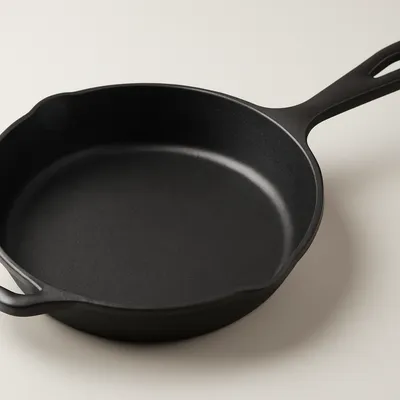
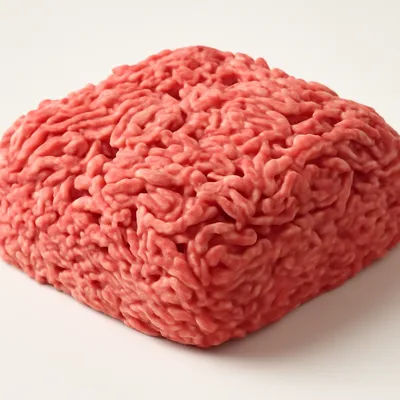
Heat a 12-inch cast iron skillet over medium. Add 700g (1.5 lb) ground beef (85/15 — leaner than burger grind). Break apart with a stiff spatula or potato masher into rice-sized pebbles as it browns, 8 minutes. Do NOT press into a patty.
Watch outThe defining technique: keep breaking. Maid-Rite uses a perforated paddle. Aim for grains the size of cooked rice.
- 21 min
When beef is mostly browned but still a little pink, drain off most of the fat — leave 1 tbsp.
- 38 min
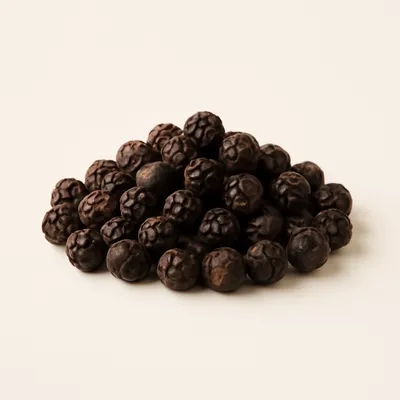
Add 1/2 cup (120ml) beef broth, 1 tsp yellow mustard, 1 tsp Worcestershire, 1/2 tsp salt, 1/2 tsp black pepper, 1/2 tsp granulated sugar, 1/4 tsp onion powder. Simmer gently 8 minutes — the broth almost fully absorbs but the meat stays glossy and loose, never dry.
Watch outDon't reduce to dry — there should be just enough moisture to keep the crumble loose. Add a splash of broth if it tightens.
- 42 min
Steam 4 white hamburger buns by setting them split-side-down over the simmering pan for the last 2 minutes. They go pillowy and slightly damp on the cut side — this is correct.
Watch outSteamed buns, not toasted. Toasted bun is a different sandwich.
- 51 min
Build: bottom bun, 1 tsp yellow mustard, generous heap of loose meat (about 175g per sandwich, mounded so it spills), 1 tbsp finely chopped raw white onion, 4-5 dill pickle chips. Top bun. Eat with a fork — this sandwich loses meat by design.
Archive tool suggestions — not reviewed
These legacy suggestions have not been evidence-reviewed and are not presented as required tools.