




Runza descends from the Volga German krautbierock — a cabbage-and-meat-filled bread pocket carried by the Volga German diaspora when they emigrated from Russia to Nebraska and Kansas in the 1870s, fleeing Tsarist conscription after Catherine the Great's protection lapsed. The Runza chain was founded in Lincoln, Nebraska in 1949 by Sally Everett and her brother Alex Brening, who registered the trademarked spelling 'Runza' (others use bierock or krautburger). The chain now operates 80+ locations across Nebraska, Iowa, Colorado, Kansas, and is so identified with the state that the Nebraska Cornhuskers football team has a Runza-themed promotion. Volga German communities in Hays, Kansas, and Sutton, Nebraska, still make them at parish dinners.
Volga German krautbierock — carried to Nebraska in the 1870s when Catherine the Great's protection lapsed. Sally Everett trademarked the spelling in Lincoln in 1949. Bake seam-DOWN: gravity fuses the seal by minute 8.
Pick it up like a sandwich — it's the size of a man's hand and weighs about 200g. Tear the top crust open and steam comes off cabbage and beef; the dough inside is soft and slightly sweet from the milk and butter. The filling is salty, peppery, with that distinctive cabbage-and-beef sweetness — savoury but never greasy because the cabbage drinks the fat. The Runza chain serves them with crinkle fries; tailgate fans at Husker football games carry them in foil to keep them warm. Cold leftover runza is also acceptable, eaten standing in front of the fridge.
Two technical decisions are non-negotiable. First: the filling must be cooked until visibly dry — wet filling steams from inside the bake, weakening the seam and producing the dreaded soggy-bottom runza. Second: the runza is baked sealed-side-DOWN. Gravity and the loaf's own weight press the dough seam shut as it proofs and bakes; the seam fuses by minute 8 and the runza is structurally sealed forever. Volga German bakers learned this from baking on stone hearths centuries ago; the Runza chain industrialized it. Egg wash is for colour, not seal.
Variations
Runza (Lincoln, 1949) operates 80+ stores across NE/IA/CO/KS; Hays, Kansas Volga German parishes still call it bierock; Sutton, Nebraska's Volga German festival makes them by the hundred; the chain version goes square — round-shaped homemade is the parish form.
On the Palate
Where Runza sits in the American flavor cloud
Ingredients
Serves 6



How it's made
6 steps · 1 hour active + 2 hours waiting
- 115 min
Make enriched dough: warm 240ml whole milk to 38°C (100°F). In a stand mixer bowl, dissolve 1 packet (7g) active dry yeast and 60g sugar in the milk; rest 5 minutes until foamy. Add 60g melted butter, 1 large egg, 1 tsp salt, and 500g all-purpose flour. Knead on low 8 minutes until smooth and slightly tacky.
Watch outMilk over 110°F kills the yeast. Stick a thermometer in — it should be warm-bath warm, not hot.
- 290 min
Cover bowl with a damp towel; rise in a warm spot 90 minutes until doubled.
- 320 min
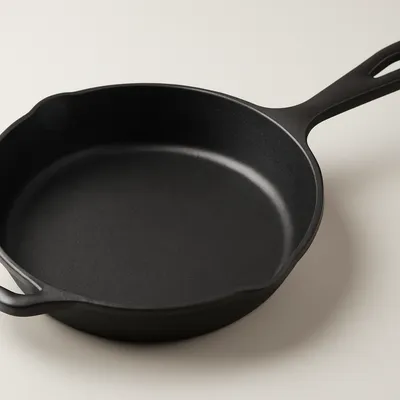
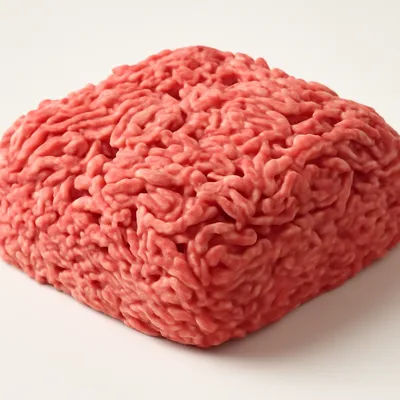
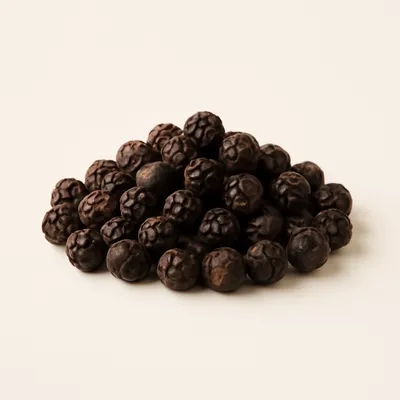
While dough rises, make filling: brown 700g (1.5 lb) ground beef (80/20) with 1 large diced yellow onion in a 12-inch skillet over medium-high, 8 minutes. Drain fat. Add 4 cups (340g) finely shredded green cabbage, 1.5 tsp salt, 1 tsp black pepper, 1 tsp granulated garlic. Cook another 8 minutes until cabbage is soft and most liquid evaporated. Cool completely.
Watch outFilling must be cooled before wrapping or it weeps liquid into the dough and creates a soggy seam. Dry filling is non-negotiable.
- 415 min
Punch down dough. Divide into 12 equal pieces (~75g each). Roll each into a 15cm square on a lightly floured surface. Place 1/3 cup (about 90g) cooled filling in the centre of each square.
- 535 min
Fold the four corners of the dough up and over the filling like an envelope, pinching the seams firmly to seal. Place sealed-side-DOWN on a parchment-lined baking sheet, spaced 5cm apart. Cover loosely; rest 30 minutes.
Watch outSealed-side-down is critical. The weight of the runza presses the seam shut as the dough proofs and bakes — this is how the Runza chain prevents leaks.
- 625 min
Preheat oven to 350°F (175°C). Brush each runza with beaten egg wash. Bake 20-25 minutes until tops are deep mahogany-golden and bottoms are firm. Cool 5 minutes. Eat warm, ideally with American mustard or ketchup.
Watch outIf they leak slightly during baking, the seam wasn't dry enough — eat them anyway, they still taste right.
Archive tool suggestions — not reviewed
These legacy suggestions have not been evidence-reviewed and are not presented as required tools.