




Chiles rellenos go back to colonial Puebla, Mexico — chile poblano was the original chile, and the dish predates Tex-Mex by three centuries. The Tex-Mex version diverged in San Antonio and the Rio Grande Valley in the late 19th century, switching from queso fresco (which crumbles when heated) to Monterey Jack and cheddar (which melt and stretch), and adapting the Mexican tomato-chile salsa into a thinner cumin-forward sauce that owes more to Texas chili gravy than to ranchera.
Colonial Puebla in origin; the Tex-Mex split happened in late-19th-century San Antonio when Monterey Jack and cheddar replaced queso fresco — they melt, they stretch, they don't crumble.
Cut through and the structure announces itself in three layers: a crisp golden meringue shell that crackles under the fork, a pliant chile wall slightly sweet from the char, and a molten center where the Jack has gone full-stretch. Tomato sauce is bright and cumin-warm, more pour-over than drown. The poblano carries a mild grass-and-pepper heat — not hot, but unmistakably chile. Benchmark: the puff has to still stand 30 seconds after it lands.
The capeado batter is what separates this from a fritter. Egg whites whipped to stiff peaks trap air; the yolks fold back in for color and binding without deflating. When it hits 180°C oil, the air bubbles expand fast and the proteins set around them — that's the puffy crust. Two failure modes: cold whites whip flat (no air to trap), and oil below 175°C lets the meringue absorb fat before setting, which gives a heavy soggy shell.
Variations
Colorado green-chile-smothered version uses Pueblo or Hatch chiles; San Antonio Tex-Mex pours chili gravy over the top; Puebla's original goes with queso fresco and ranchera salsa.
On the Palate
Where Chiles Rellenos (Tex-Mex) sits in the American flavor cloud
Ingredients
Serves 4




How it's made
7 steps · 50 min active + 10 min waiting
- 118 min
Char 4 large poblano chiles directly over a gas flame or under a 260°C / 500°F broiler — turn until skin is blackened on all sides, 6-8 min. Steam in a covered bowl 10 min to loosen skin.
Watch outCharring must be uniform — any green patch left will leave bitter peel under the batter.
- 28 min
Rub off blackened skin with a paper towel (don't rinse — water washes the chile flavor). Cut a slit lengthwise from stem to tip. Carefully scoop seeds and ribs through the slit, keeping stem intact.
Watch outDon't tear the chile wall. If it splits, you can patch with a toothpick before frying.
- 38 min
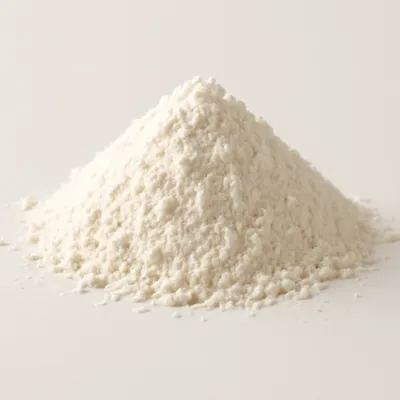
Stuff each chile with 60g shredded Monterey Jack mixed with 20g grated cotija. Press the slit closed with your fingers and dust the whole chile lightly with flour — flour helps the egg coat stick.
- 46 min
Whip 4 egg whites to stiff peaks with a pinch of salt. Fold yolks back in gently with 2 tbsp flour — should hold a peak but not be dry. This is capeado.
Watch outEgg whites at room temp whip taller. Cold whites = a flat batter that won't puff.
- 512 min
Heat 2cm neutral oil in a deep skillet to 180°C / 360°F. Hold each chile by the stem, dunk in batter to coat fully, lower into oil. Fry 2 minutes per side, basting with hot oil, until pillow-puffed and golden.
Watch outBelow 175°C the batter sucks oil and goes greasy; above 195°C the egg browns before the cheese melts inside.
- 612 min
Drain on a rack (not paper — paper steams the bottom soggy). Make sauce: blend 4 ripe tomatoes, ½ white onion, 1 garlic clove, 1 tsp cumin, ½ tsp Mexican oregano, salt. Simmer 10 min; thin with chicken stock if thick.
- 73 min
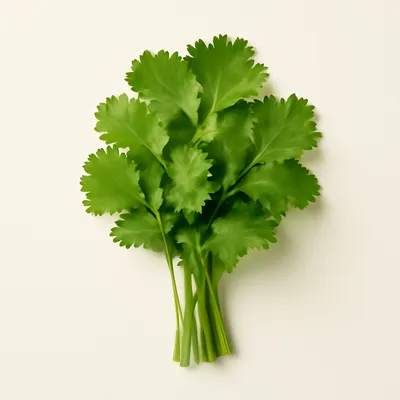
Plate each chile in a shallow pool of sauce; spoon a little sauce over the stem end, leaving the puffy top exposed. Crumble cotija and chopped cilantro on top. Serve immediately — the meringue collapses in 5 minutes.
Watch outDon't drown it. The whole point is the cloud crust on top staying crisp.
Archive tool suggestions — not reviewed
These legacy suggestions have not been evidence-reviewed and are not presented as required tools.



