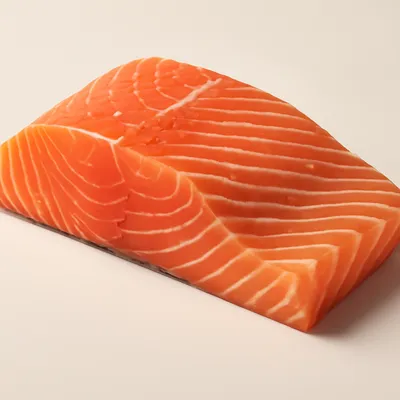
A side of wild Pacific salmon — king (Chinook), sockeye, or coho — laid skin-down on a water-soaked western red cedar plank and cooked over fire or in a hot oven until the flesh is just set and faintly smoke-perfumed. The plank chars beneath the fish, smolders rather than burns, and releases aromatic cedar compounds that rise into the salmon while it bastes in its own rendering oils. A light glaze of butter, brown sugar, and a squeeze of lemon is common, but the dish is built to let the wood and the fish speak. It is the Pacific Northwest restaurant adaptation of a Coast Salish and wider Indigenous plank- and stake-roasting tradition that long predates it.


Plank- and stake-roasting of salmon over open fire is one of the oldest and most documented foodways of the Pacific Northwest coast, central to Coast Salish, Chinook, and other Indigenous nations for thousands of years. Salmon caught on its spawning run was split, lashed or skewered to splints of locally abundant western red cedar (or alder), and set upright beside a fire or over coals so the heat cooked it through without flame, the wood lending a gentle smoke. Salmon was — and remains — a cultural cornerstone, honored in First Salmon ceremonies along rivers such as the Columbia. The version now standard on Pacific Northwest restaurant menus, with the fish laid flat on a soaked plank, is a modern adaptation that credit and popular attention often trace to Seattle-area chef John Howie, who demonstrated cedar-plank salmon to a national television audience in the 1990s. The technique is Indigenous in origin; the plated restaurant form is its late-twentieth-century descendant.
The first impression is aroma — resinous, faintly sweet cedar smoke that arrives before the fork does. The flesh flakes into moist, glossy sheets, rich along the fatty belly and leaner toward the tail, with the brown-sugar-and-butter glaze caramelized just enough to crackle at the edges. Underneath, the plank-side surface carries a whisper of toasted wood, and a final hit of lemon cuts the richness clean.
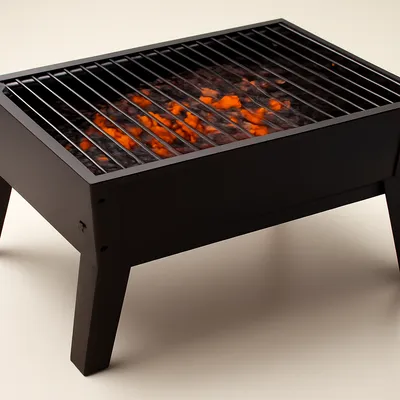
The soaked plank is the whole trick. Water driven into the wood fibers slows combustion: instead of igniting, the cedar smolders and steams, holding its underside far below the flash point while its surface heats enough to volatilize aromatic compounds. As wood lignin breaks down under heat it releases phenolics — guaiacol and syringol chief among them — which carry the characteristic smoky scent, while western red cedar (Thuja plicata) adds its own resinous tropolones and terpenes for a sweeter, more coniferous note than hardwood smoke. The plank also acts as a heat barrier: the fish never touches metal or flame, so it cooks by gentle radiant and convective heat rather than searing, which keeps the delicate muscle from seizing. That matters because salmon is built of short muscle blocks (myomeres) separated by thin connective sheets; cook it hard and the fibers contract violently, squeezing out moisture and the soluble protein albumin, which coagulates into the unappetizing white curd on the surface. Low, even heat — pulling the fish at an internal 50–54°C (122–130°F) for medium-rare to medium — sets the proteins just to opacity while the abundant omega-3 oils and fat in wild salmon keep the flesh basted and succulent. Soaking time of two to four hours, skin-side down placement (the skin shields the flesh and renders its own fat), and never letting the plank flare into open flame are the points that separate perfumed fish from scorched wood.
Variations
Cedar is traditional, but alder — also used by Indigenous cooks — gives a milder, slightly sweeter smoke; maple and oak planks appear in restaurants too. Glazes range from the brown-sugar-and-butter standard to maple-Dijon, miso, or a salt-and-dill cure with no sugar at all. Species choice changes the dish: fatty king (Chinook) is the most forgiving and luxurious, sockeye is leaner and deep red with a more assertive flavor, coho sits in between. Some cooks finish over direct grill heat for a charred edge; others bake the plank in the oven for control. A First-Nations-style approach skips the plank entirely and stakes the split fish on cedar or alder splints beside an open fire.
On the Palate
Where Pacific Northwest Cedar-Plank Salmon sits in the American flavor cloud
Ingredients
Serves 4
How it's made
8 steps · 20 min
- 1120 min
Submerge a clean, untreated western red cedar plank in water and weight it down so it stays under; soak 2 to 4 hours (a splash of white wine or cider in the water is optional).
Watch outSoak the plank fully submerged for two to four hours; a dry plank ignites into open flame instead of smoldering and won't perfume the fish.
- 28 min
Pat the salmon side dry, run your fingers along the flesh to find and pull any pin bones, and season both sides with salt and pepper; for the glaze, stir together softened butter and brown sugar.
- 310 min
Heat a grill to medium (about 175 to 200°C / 350 to 400°F) or an oven to 200°C (400°F); brush the dry top face of the soaked plank lightly with oil.
- 43 min
Lay the salmon skin-side down on the planked face, brush the flesh with the brown-sugar butter, and lay a few lemon slices and dill sprigs on top.
- 52 min
Set the plank over the grill and close the lid (or slide it onto the middle oven rack); let the wood begin to smoke and the fish cook undisturbed.
- 61 min
Watch for flare-ups — if the plank edges catch open flame, mist them with water or move the plank to cooler heat; the wood should smolder, not burn.
Watch outWatch for flare-ups and mist any open flame at the plank's edge; the wood should smolder and steam, not burn.
- 716 min
Cook 12 to 18 minutes depending on thickness, until the thickest part reaches an internal 50 to 54°C (122 to 130°F) and the flesh flakes but is still glossy at the center.
Watch outPull the salmon when the thickest part reaches about 50 to 54 degrees and the flesh flakes but stays glossy at the center; a few degrees more and it dries out.
- 84 min
Slide the whole plank onto a heatproof board to serve, finish with a fresh squeeze of lemon, and let the fish rest 3 to 4 minutes before portioning.
Archive tool suggestions — not reviewed
These legacy suggestions have not been evidence-reviewed and are not presented as required tools.