
A Tex-Mex braise of cubed beef chuck slow-simmered in a thick, cumin-and-chili gravy until fork-tender, the gravy bound by flour browned with the meat. Onion, garlic, tomato, and bell pepper round out the sauce, which clings to the beef rather than running thin like a soup. In South Texas and Tejano kitchens it is a breakfast-and-dinner staple, scooped into warm flour tortillas as a taco filling and served with rice and beans.





Carne guisada simply means 'stewed meat,' and braised-beef dishes under that name are common across Latin America and the Caribbean; the version treated here is the distinct Tejano and South Texas Tex-Mex form. Its signature seasoning, the heavy use of cumin, traces to the Spanish settlement of the San Antonio region in the 1700s, when settlers from the Canary Islands carried a cumin-and-garlic cooking vocabulary into the area, an inheritance that runs through much of Tex-Mex. The dish moved north from the ranches and home kitchens of South Texas with the cattle culture of the 1800s and was absorbed into the Tex-Mex repertoire that took shape in Texas cities from the 1880s onward; no single inventor is recorded.
The beef gives way completely — long-simmered chuck that shreds under a fork, slick with rendered fat and gravy. The sauce is thick and clinging, savory and earthy with cumin, gently warm from chili powder without sharp heat, the tomato barely sweet underneath. Spooned into a warm flour tortilla it soaks the bread slightly at the seam. It eats soft, rich, and homely, the gravy doing as much work as the meat.
Browning cubed chuck develops Maillard flavor on the meat, then flour is toasted in the same fat to make a brown roux that both thickens the gravy and deepens its color and taste. A long, low simmer of at least 90 minutes converts the chuck's abundant collagen into gelatine, which is what makes the meat fall apart while keeping the sauce silky and body-rich. Cumin is added as a ground spice so its aromatic compounds disperse through the gravy; the braise is kept at a bare simmer rather than a hard boil, which would toughen the muscle fibers before the collagen has time to melt.
Variations
Some South Texas cooks thicken with browned flour for a true gravy while others build a thinner, brothier sauce closer to a Mexican guisado. Pork or venison sometimes stands in for beef. Potatoes are a common addition, simmered in with the meat. Beyond Texas, Puerto Rican carne guisada is a related but distinct braise seasoned with sofrito, adobo, and olives rather than cumin and chili, and the Mexican-style guisado leans on fresh chilies and tomato over a flour-thickened gravy.
On the Palate
Where Carne Guisada sits in the American flavor cloud
Ingredients
Serves 6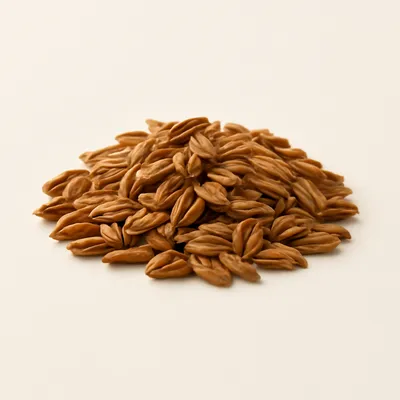
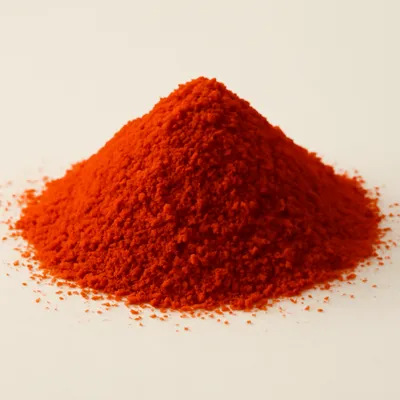

How it's made
6 steps · 20 min
- 115 min
Cut beef chuck into bite-size cubes and season with salt and pepper.
- 212 min
Brown the beef in oil in a heavy pot over medium-high heat until well seared.
Watch outGet a real dark sear on the beef before moving it — that browned crust is the Maillard flavor base for the whole gravy, so don't crowd the pot or it'll steam grey.
- 38 min
Add chopped onion, garlic, and bell pepper and saute until softened.
- 44 min
Sprinkle in flour and toast it with the meat until browned, then stir in cumin and chili powder.
Watch outToast the flour with the meat until it goes browned and nutty — that brown roux both thickens and deepens the color, but keep stirring so it doesn't scorch.
- 55 min
Add chopped tomato and enough water or broth to barely cover, scraping the bottom of the pot.
- 695 min
Cover and simmer gently for at least 90 minutes until the beef is fork-tender and the gravy is thick, then serve with warm flour tortillas.
Watch outHold it at a bare simmer, never a hard boil — gentle heat melts the collagen so the chuck falls apart, but a rolling boil toughens the muscle before it can.
Archive tool suggestions — not reviewed
These legacy suggestions have not been evidence-reviewed and are not presented as required tools.



