
A thick, tomato-based stew of pork and/or chicken simmered down with corn, lima beans, and okra until the meat shreds into the liquid and the whole pot turns spoon-thick. Historically built on small game such as squirrel or rabbit, it is now almost always pork or chicken, often pulled from a barbecue pit. It is a staple of barbecue joints and church fundraisers across Virginia and Georgia, ladled as a side to smoked meat or served as a meal in its own bowl with cornbread or saltines.





The dish's birthplace is disputed between Brunswick County, Virginia, and the city of Brunswick, Georgia, and the competing claims are not settled. By an entrenched Virginia tradition (backed by a 1988 General Assembly proclamation), an enslaved African American camp cook named Jimmy Matthews made the first batch in 1828 for Creed Haskins, simmering squirrel with butter, onions, and stale bread over a wood fire and naming it for the county. Georgia counters with a plaque on an old iron pot in the city of Brunswick claiming the first stew was cooked in it on July 2, 1898, on nearby St. Simons Island. Earlier still, Southeastern Indigenous peoples stewed corn with squirrel and groundhog, so the method predates either named claim.
Far thicker than a soup — a proper batch mounds on the spoon and barely runs. The corn and lima beans give it body and a faint starchy sweetness; the tomato keeps it tangy rather than rich, and slow-rendered pork fat rounds it out. Okra both thickens and adds a green, vegetal note. Shredded meat is soft and stringy, fully surrendered to the broth; there should be no distinct chunks of anything left whole. Best after a day in the refrigerator, when the flavors knit together.
The signature spoon-coating thickness comes from three sources working together: starch leached from the corn and lima beans, the mucilage released by sliced okra as it simmers, and the long breakdown of collagen in the pork shoulder into gelatin. There is no flour or roux. The stew is built low and slow for two to three hours so the connective tissue fully renders and the meat falls into threads, then held just below a simmer; a hard boil would tighten the meat and turn the okra slimy rather than silky. Tomato acidity (pH near 4.3) brightens the long-cooked sweetness and balances the rendered fat.
Variations
The Virginia style leans on pork and a thinner, more tomato-forward broth; the Georgia style runs thicker and often blends chicken with pork or beef and a touch of barbecue sauce. Brunswick stew is a close cousin of Kentucky burgoo, a similar pioneer game-and-vegetable stew of the upper South. Cook's-choice add-ins include butter beans in place of limas, potato for extra body, and a dash of Worcestershire or hot sauce; the squirrel and rabbit of the original survive mainly in rural home kitchens.
On the Palate
Where Brunswick Stew sits in the American flavor cloud
Ingredients
Serves 8


How it's made
7 steps · 40 min
- 160 min
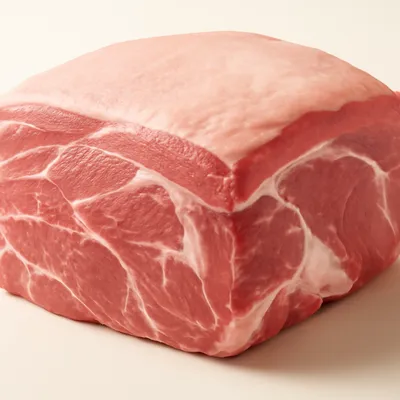
Season a 1.5 kg bone-in pork shoulder (or a mix of pork and chicken) with salt and pepper, then brown it in a heavy pot or simmer it in water until tender enough to shred.
Watch outCook the pork shoulder until it shreds easily off the bone — the collagen has to fully break down to gelatin, since it's one of the three things that thicken the stew with no flour.
- 215 min
Pull the cooked meat off the bone into shreds; reserve the cooking liquid and skim excess fat.
- 310 min
Soften diced onion in the rendered fat, then stir in crushed tomatoes and the reserved stock.
- 460 min
Return the shredded meat to the pot and simmer gently for 1 hour to build the base.
- 510 min
Add corn, lima beans, and sliced okra; season with Worcestershire, salt, and pepper.
- 680 min
Simmer low, uncovered, for another 1 to 1.5 hours, stirring often, until the stew is thick enough to mound on a spoon.
Watch outSimmer low and uncovered until it mounds on a spoon — the corn and lima-bean starch and the okra's mucilage thicken it, but a hard boil turns the okra slimy instead of silky.
- 710 min
Rest off the heat, adjust salt and acidity, and serve with cornbread or saltines.
Archive tool suggestions — not reviewed
These legacy suggestions have not been evidence-reviewed and are not presented as required tools.



