
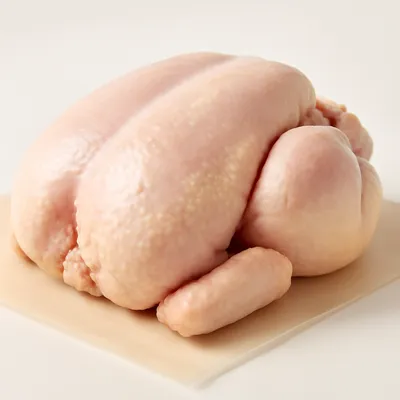
A thick Kentucky kettle stew built from several meats and a deep bench of vegetables, cooked down for hours until a spoon nearly stands in it. The working rule is no fewer than three meats — historically game like squirrel or venison, today usually mutton, pork, chicken, and beef. It is communal food, cooked by the gallon in huge iron pots for political rallies, church picnics, and Kentucky Derby gatherings, and served with cornbread. The long cook melts everything into one savory, almost porridge-thick whole.





Burgoo took shape in nineteenth-century Kentucky as a communal one-pot dish, drawing on Old World stews and on Native American and African American cooking, made from whatever meat the hunt and the garden gave up. The name's origin is genuinely uncertain: proposed roots include a sailors' oatmeal porridge, the Turkish-by-way-of-Arabic 'bulgur', and a garbled French 'bouillon' or 'ragout', with no single account confirmed. Western Kentucky, and Owensboro especially, made it its own with mutton, a legacy of the area's sheep farming and barbecue culture; Owensboro's barbecue festival still cooks burgoo by the thousands of gallons. It long ago became a fixture of large public gatherings across the state.
Dense and brown, almost a porridge — the vegetables have cooked past their edges and the meats have shredded into the broth, so no single ingredient stands apart. The flavor is layered and deeply savory, with the gamey-rich note of mutton or the sweetness of long-cooked corn and tomato coming forward by turns. A faint smoke and a back-of-the-throat pepper heat are common. It coats the spoon thickly and is meant to be eaten with cornbread to sop the bowl.
Burgoo is a long-reduction stew: tough cuts and bony meats are simmered until collagen melts to gelatin, then the meat is pulled and the vegetables are added in waves so each cooks down. Starchy vegetables — potato, lima bean, corn — release starch that, with the dissolved gelatin, thickens the pot without any added flour. Hours of low, near-constant stirring drive off water and concentrate flavor, which is why old recipes ran overnight in big kettles. Salt and pepper are adjusted late, once the liquid has reduced to its final volume.
Variations
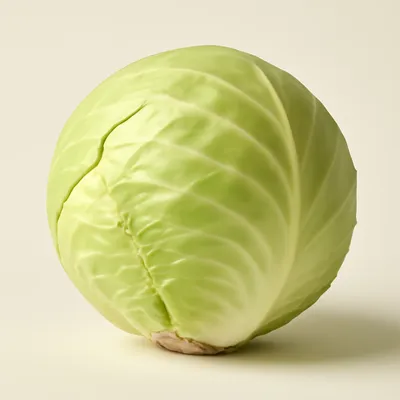
The constant is three or more meats; the cast changes with place and era — squirrel, rabbit, venison, and even snapping turtle in older versions, mutton-forward in Owensboro, chicken-and-beef in home kitchens. Vegetables typically include lima beans, corn, okra, tomato, cabbage, and potato, in any garden combination. Some Owensboro cooks finish it with a barbecue-style sauce or vinegar; heat ranges from gentle to assertively peppery. Quantities scale enormously, since it is most at home cooked for a crowd.
On the Palate
Where Kentucky Burgoo sits in the American flavor cloud
Ingredients
Serves 12


How it's made
8 steps · 1 hour active + 4 hours waiting
- 120 min
Brown the beef and pork chunks in a large heavy pot, working in batches, then set aside.
- 2120 min
Add the bone-in chicken pieces, the browned meats, and water to cover generously; simmer until all the meat is very tender, about two hours.
Watch outThe meat is ready to pull when it slides off the bone and shreds with no resistance — about two hours of gentle simmer.
- 315 min
Lift out the meats, let cool, then pull or chop the meat off the bones and return it; discard skin and bones.
- 410 min
Stir in the chopped onion, potato, lima beans, corn, okra, cabbage, and crushed tomatoes.
- 5120 min
Simmer uncovered, stirring often to keep it from scorching, until the vegetables fall apart and the stew is very thick, about two hours more.
Watch outIt's done reducing when the spoon leaves a trail across the bottom and the vegetables have collapsed into a thick pulp.
- 63 min
Mash some of the potato against the pot to thicken further if needed.
- 73 min
Season generously with salt, black pepper, and a little hot sauce or Worcestershire to taste.
- 82 min
Serve in deep bowls with cornbread on the side.
Archive tool suggestions — not reviewed
These legacy suggestions have not been evidence-reviewed and are not presented as required tools.



