
Zambia's slimy okra relish — sliced fresh okra simmered with onion, tomato, and a generous pinch of baking soda (kanwa) that brings out the okra's natural slime, creating a silky-thick green relish that's the perfect nshima companion. Often enriched with peanut butter or kapenta for protein. The Bemba dry-season vegetable staple.
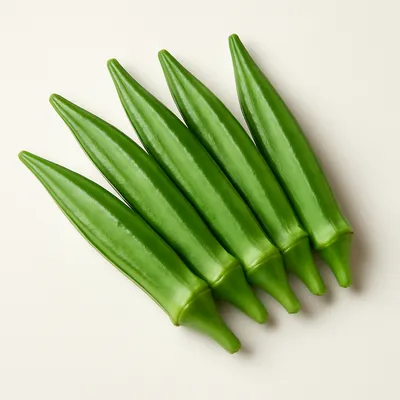




Delele is the Bemba (and Tonga) word for okra-based relishes, where the okra's slime is prized rather than minimized — in eastern Zambia and Malawi 'delele' (or 'thelele') is in fact a generic name for some 20–30 slimy wild greens, not okra alone. The center of origin of okra (Abelmoschus esculentus, family Malvaceae) is debated: Vavilov placed it in Ethiopia and northeast Africa, while another hypothesis points to West Africa; it was cultivated by the ancient Egyptians by about the 12th century BC and reached Southern Africa with the agriculture of the Bantu migration. Across Zambia and nearby countries the okra-slime style divides opinion — Bemba and Tonga favor it; Lozi sometimes dry the okra to cut the slime. The dish historically stretched a little okra to feed many — the slime carried the nshima from plate to mouth, so no nshima went unsauced. Modern Lusaka serves delele with peanut butter, kapenta, or fried chicken.
Spoon up delele alongside nshima — sliced okra rounds in a silky-thick, green-flecked tomato sauce. The okra is tender, the slime stretches off the spoon like cheese (in the best way), the tomato-onion base is savory-sweet, baking soda lifts everything. With nshima, the slime carries the sauce straight to your mouth — no part of the relish escapes. A Bemba and Tonga family-meal pleasure that outsiders take time to acquire.
Okra's slime comes from soluble polysaccharides (mucilage) in the seed pods — these are released when the okra is cut and intensified by heat and moisture. Baking soda (alkaline) breaks down the okra's cell walls faster, releasing more mucilage. Acid (vinegar, lemon) would reduce slime — which is why slime-averse cooks add acid. The slime serves a functional role: it thickens the sauce, helps it cling to the nshima, and provides soluble fiber for digestion.
Variations
Peanut delele adds 3-4 tbsp peanut butter for the most-loved version. Kapenta delele combines okra with dried kapenta for protein. Pumpkin-leaf delele combines okra with chibwabwa for a hybrid relish. Sour delele uses lemon or vinegar to reduce slime (for slime-averse eaters). Dried-okra version uses sun-dried sliced okra rehydrated — less slime, more concentrated flavor.
On the Palate
Where Delele sits in the Zambian flavor cloud
Ingredients
Serves 4

How it's made
10 steps · 25 min active + 5 min waiting
- 18 min
Prep 500 g fresh young okra: wash, top and tail, slice into 5-mm rounds. (Older okra is less slimy — use young pods for the best texture.)
- 27 min
In a heavy pan, heat 2 tbsp sunflower oil over medium heat. Sauté 1 chopped onion 6 min until soft.
- 32 min
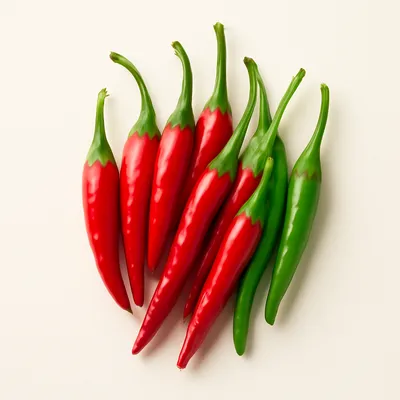
Add 2 minced garlic cloves + 1 minced bird's eye chili (optional); cook 1 min.
- 47 min
Add 2 chopped tomatoes + 1 tsp salt + ¼ tsp pepper. Cook 6 min until soft.
- 51 min
Add the sliced okra. Stir gently — do not over-mix (the slime is precious).
Watch outAdd the okra and stir as little as possible — that slippery mucilage is what thickens the whole pot, so don't beat it out.
- 62 min
Add 250 ml water + ½ tsp baking soda (kanwa — this enhances the slime and softens the okra).
- 711 min
Cover; simmer on medium-low heat 10-12 min until the okra is tender and the sauce is silky-thick.
Watch outCover and go until the okra's tender and the sauce turns silky and clings — glossy and green, not watery; that sheen means the mucilage has done its job.
- 83 min
Optional protein boost: stir in 100 g rinsed dried kapenta or 3 tbsp peanut butter slurry (whisked with hot liquid first).
- 91 min
Taste; adjust salt. The dish should be glossy-green, silky, fragrant with onion and tomato.
- 102 min
Serve hot alongside nshima. Pinch nshima, scoop delele — the slime carries the sauce.


