


Zambian
Nshima maize pâte with ifisashi peanut greens at every table, kapenta tiny fish from Lake Tanganyika, chikanda 'African polony' from wild orchid tubers, munkoyo fermented from the wild root — Zambian cooking is Bemba and Tonga plateau food with three big lakes and a deep bushland pantry.
Nshima ne Ifisashi
Zambia's everyday meal — stiff white-cornmeal nshima (porridge) served with ifisashi (pumpkin or sweet-potato leaves cooked with peanuts, tomato, and onion). Eaten with the right hand: pinch off nshima, dip into ifisashi, eat. The Zambian vegetarian protein-rich centerpiece.
View page →Zambia is a landlocked country between the Great Lakes and the Zambezi River, and its cooking centers on nshima — stiff white cornmeal porridge eaten 2-3 times daily with relish. The relish is the meal's centerpiece: ifisashi (greens with peanut butter) for the vegetarian everyday plate, kapenta (dried freshwater sardines) for affordable protein, vinkubala (caterpillars) for the dry-season delicacy. The 73 ethnic groups — Bemba, Tonga, Lozi, Chewa, and more — share this nshima-and-relish structure with regional differences. Chikanda, the Bemba 'African polony' made from wild orchid tubers and pounded peanuts, is the most-unusual delicacy. Munkoyo, the fermented sweet-sour cereal drink, has been refreshing the country for centuries. Kapenta from Lake Tanganyika and Lake Kariba is the protein staple where meat is expensive. The cuisine is vegetable-grain-peanut centered, reflecting Zambia's agricultural rhythm and the absence of a colonial cuisine that displaced the Bantu base.
The Palate
Start Here
Stiff nshima cornmeal porridge with ifisashi — pumpkin leaves cooked with peanuts, tomato, and onion. The protein-rich vegetarian everyday meal.
Why start here · Understand ifisashi, and you understand how Bantu Africa makes a complete meal without meat. The peanut-and-greens technique is millennia old.
Small dried freshwater sardines fried with onion-tomato into a deeply-savory relish over nshima. Cheap, fish-jerky-meets-stew everyday meal.
Why start here · The most-everyday Zambian protein and a window into how dried-fish cookery feeds an entire country. Lake Kariba on a plate.
Wild orchid tubers pounded with roasted peanuts and steamed into a pink-purple dense vegan cake. Sliced cold for celebrations.
Why start here · One of the most-unusual delicacies in Bantu Africa — a vegan 'meat' invented before the word existed. Demonstrates the inventiveness of Bemba foodways.
The Pantry





See all 43 ingredients›



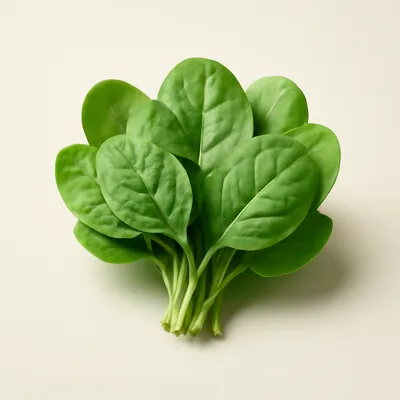
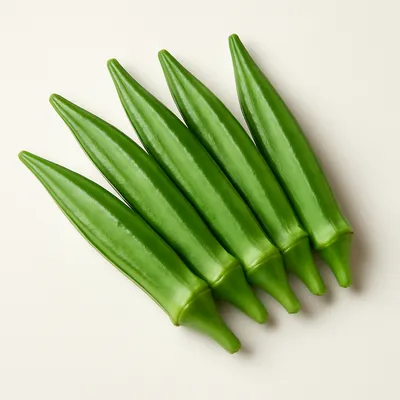
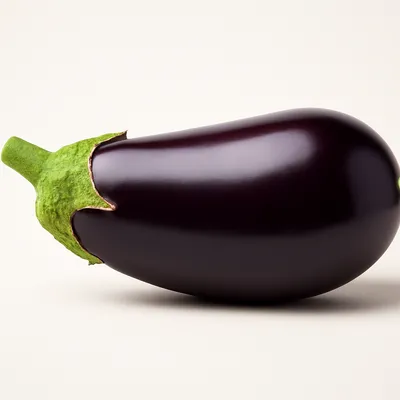


Fruits





Grains & Staples



Dairy & Fats
Sauces & Condiments


On the Map
Where this cuisine is found
Regional Styles
Bemba (Northern)
Luapula and Northern provinces — caterpillars, fish from the great lakes, and the chikanda orchid tradition.
Tonga and Lozi (Southern and Western)
Zambezi River basin — the maize-and-peanut heartland with milder relishes.
Urban Lusaka and Copperbelt
Modern multi-ethnic cities — fusion versions and Indian-railway heritage.
How They Cook
Techniques that define this cuisine
See 9 more techniques›
Kindred Kitchens
Cuisines built on the same signature ingredients


