


Romanian
Sarmale for Christmas, mămăligă every day, lovage-finished ciorbă, mici on summer terraces — Carpathian-Danube cooking with Ottoman and Habsburg layers.
Sarmale
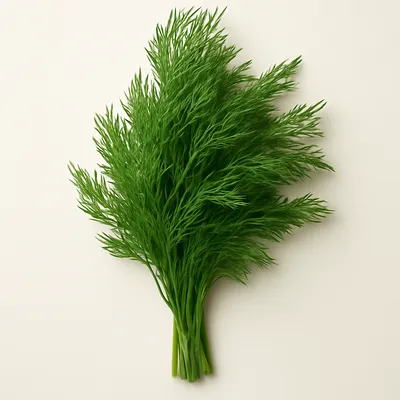
Pickled cabbage leaves rolled around a pork-and-rice filling seasoned with onion, dill, and bay, then slow-baked for hours in a tomato-and-pickled-cabbage broth and served with mămăligă, smântână, and chili. The Christmas and Easter centerpiece; the dish every Romanian grandmother has her own rule for.
View page →Romanian cooking weaves together five strands: Carpathian shepherding (sheep cheese telemea, lamb stews), Danube and Black Sea fishing (carp, pike, shad), Ottoman influences (sarmale, ciorbe), Habsburg pastry tradition (cozonac, papanași), and the December-pig (porcul de Crăciun) culture that yields smoked sausages, lard, and tochitură. Sour soups (ciorbe) finished with lovage and sour cream are the daily backbone; cornmeal mămăligă replaces bread on every rural table. Sarmale — pickled cabbage rolled around pork and rice — is the Christmas and Easter centerpiece. Mici (skinless grilled meat fingers) are the universal summer-grill food. Each region argues its own variants — Moldavian, Transylvanian, Wallachian, Banat — but the lovage-sour-cream-pork-cabbage core is unmistakably Romanian.
The Palate
Start Here
Pickled cabbage leaves wrapped around pork-and-rice filling, packed tight in a clay pot under smoked ribs and tomato-cabbage broth, slow-baked four hours. Served with mămăligă, smântână, and chili.
Why start here · Sarmale is the Christmas Eve and Easter centerpiece of every Romanian table. Every grandmother has her own ratio rules and her own smoked-meat choice. To eat sarmale is to be welcomed into a Romanian household; to make it is a four-hour family ritual.
Coarse cornmeal stirred into salted water until it stiffens enough to hold a perfect dome when inverted from the pot. The Romanian universal carbohydrate.
Why start here · Mămăligă is the foundational starch under everything — under stewed pork, under crumbled cheese, under sour cream. Once you've mastered the stir, you've earned the right to call yourself a Romanian cook.
Skinless thumb-thick grilled meat fingers — beef, lamb, and pork mince seasoned with garlic, summer savory, and allspice. The Bucharest 1860s invention now Romania's universal summer grill.
Why start here · Mici taught Romanian grilling its character: no casing, no fuss, just well-seasoned meat that springs to the bite. Pair with mustard, bread, and beer at a Bucharest summer terrace — this is the modern Romanian table.
Long-simmered beef tripe in bone broth, finished with garlic-vinegar temper and egg-yolk-sour-cream that thickens it to velvet. Hangover cure and bus-station-restaurant test.
Why start here · Ciorbă de burtă is the most-debated Romanian dish — every town's best restaurant has its loyalists. It teaches the Romanian sour-soup family at its most ambitious.
The Pantry






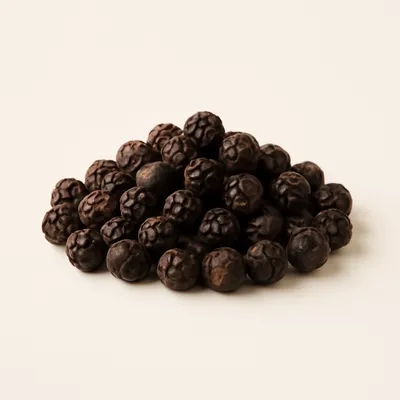
See all 101 ingredients›
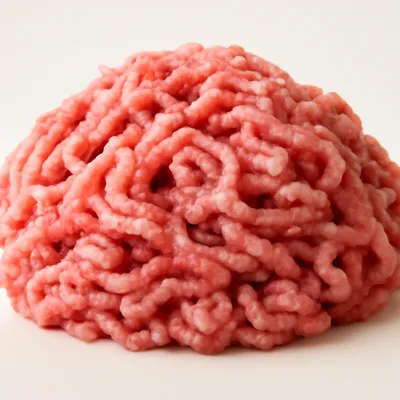
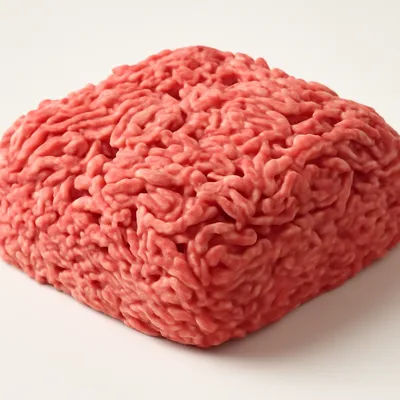


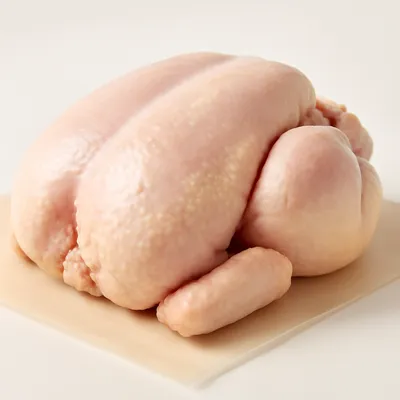





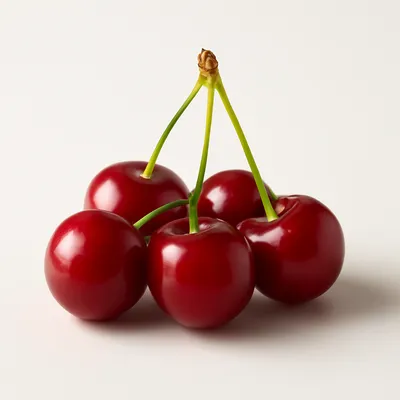
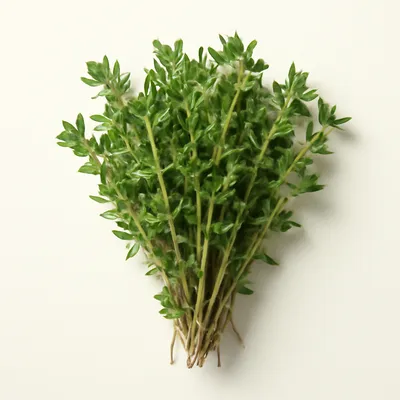
Herbs & Spices





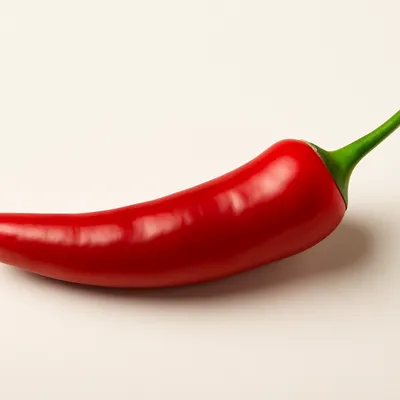




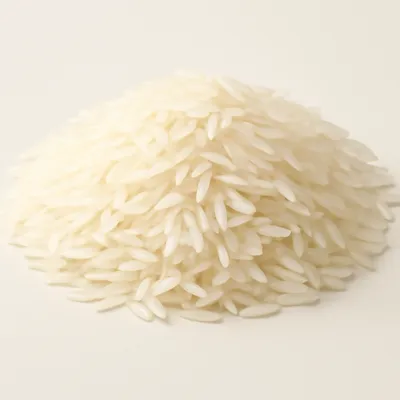
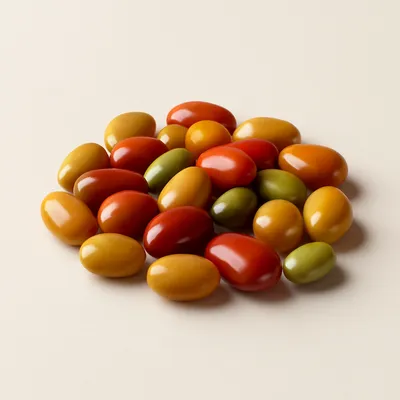


Dairy & Fats





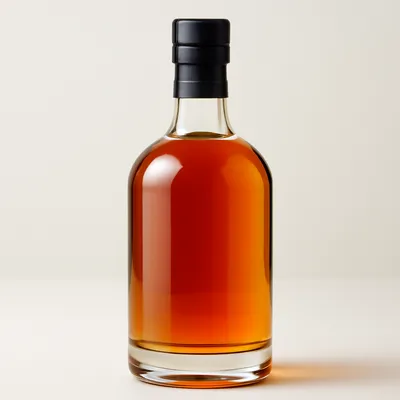




On the Map
Where this cuisine is found
Regional Styles
Wallachia
Southern Romania centered on Bucharest — the urban heart, home of mici (invented in 1860s Bucharest), Salată de Boeuf, and the classic vinegar-light ciorbă tradition. Wallachian cuisine is the most cosmopolitan, drawing on Ottoman and French restaurant influences.
Moldavia
Northeastern Romania bordering the Republic of Moldova — birthplace of tochitură, distinctive smoked sausages, sarmale wrapped in grape leaves in summer. Wines from Cotnari and Iași are central. Cozonac is taller and richer here.
Transylvania
Central Romania — Carpathian Mountains, Saxon and Hungarian heritage layered with Romanian. Telemea cheese, papanași in mountain cabanas, smoked-paprika tochitură, fierce sausage traditions, and the heaviest Habsburg pastry influence.
Banat & Crișana
Western Romania bordering Hungary and Serbia — Hungarian-influenced (more paprika, hotter chili), with the spiciest sarmale and the influential gulyás-adjacent stews. Banat zacuscă is the most fiery.
Dobruja
Southeastern Romania along the Black Sea and Danube delta — Turkish, Tatar, and Bulgarian-Romanian crossroads. Fresh-water fish from the delta dominates, ciorbă de pește is the regional ciorbă, and yogurt-and-rice dishes show Ottoman roots.
How They Cook
Techniques that define this cuisine
Kindred Kitchens
Cuisines built on the same signature ingredients


